TLDR; The article explains that lease return vehicle transport is a specialized logistics process. Because off-lease vehicles often go through several handoffs, there’s usually more risk and more chances for details to be missed.
That can lead to delays, storage fees, condition disputes, and slower resale. It lays out a six-step approach: define the return path early, document condition carefully at pickup and delivery, match open, enclosed, door-to-door, or expedited service to the vehicle and route, coordinate pickup details closely, handle in-transit exceptions with clear visibility, and inspect quickly at delivery, usually as soon as the vehicle arrives.
It also points out special handling for EVs, inoperable units, luxury vehicles, and seasonal fleet surges. Planning early often helps, especially before pickup windows get tight. Accurate disclosure matters too, because it helps reduce surprises.
The main point is to choose transport partners based on execution, tracking, documentation, and exception handling rather than price alone. In most cases, that helps protect asset value and support faster remarketing.
Lease returns can look simple from a distance: collect the unit, move it, inspect it, and send it to the next channel. Up close, it’s a different story. Margin is won or lost in the details, and when a vehicle sits too long at a grounding location, misses a sale date, or arrives with weak documentation, companies end up with storage fees, delayed resale, and condition disputes that could have been avoided. Lease return vehicle transport now stands as its own logistics discipline, not just a routine shipping task.
For dealers, fleet operators, rental groups, auctions, captives, and independent lessors, timing matters just as much as rate. Consumers feel that pressure too. When they manage a lease-end move across state lines or return a vehicle during a relocation, the stakes are still real. In every case, the goal is the same: protect the asset, preserve condition, and keep the handoff clean. Efficient remarketing transport shortens cycle time. Reliable dealer vehicle transport also reduces friction between lots, auctions, reconditioning centers, and final buyers.
This section explains how lease return logistics works in the real world, which documents and inspections matter most, when open or enclosed service makes sense, how dispatch timing shapes remarketing results, and which operating controls help reduce claims and delays. It also covers edge cases such as EVs, inoperable units, high-value vehicles, and multi-location fleet returns. The focus is practical: help readers build a transport plan that is workable, flexible, and defensible.
Why Lease Return Vehicle Transport Is Different From Standard Car Shipping
A standard move is usually straightforward: one shipper, one receiver, and a simple handoff. Lease return vehicle transport has more layers, and the vehicle may pass through a grounding dealer, an off-lease inspection site, an auction, a reconditioning center, and then a retail or wholesale buyer. More stops mean more chances for things to slip. Each transfer point adds timing risk, paperwork risk, and condition-report risk.
Teams judge remarketing transport by operational results, not just the lowest quote. Faster dispatch can help prevent storage accrual. Better VIN-level visibility keeps sales teams in the loop. Cleaner condition reports cut down on disputes after delivery. In auction-driven environments, even small delays can affect days-to-sale and cash conversion.
For lessors and fleets, the same applies to off-lease units. When a grounded vehicle sits too long, exposure grows. Depreciation, admin time, and remarketing bottlenecks start stacking up.
| Operational factor | Why it matters | Typical impact if delayed |
|---|---|---|
| Dispatch timing | Gets units moving before storage or sale-date issues build | Higher holding cost and slower resale |
| VIN-level tracking | Confirms status at each handoff | More status calls and weaker visibility |
| Condition documentation | Supports claims prevention and resale confidence | Disputes over pre-existing damage |
| Lane planning | Matches carrier type to route and value | Missed windows or excess spend |
Here’s a practical example: a dealer group may move off-lease vehicles from three grounding stores to two auctions and one recon center. At that point, transport is no longer a one-off transaction. It works more like a routing program. Providers such as Car Haul Direct fit that kind of setup by coordinating nationwide carrier capacity, visibility, and shipment protection to support both individual moves and recurring commercial volume. Teams comparing providers can also review broader operational resources through the Car Haul Direct blog.
Step 1: Define the Return Path for Lease Return Vehicle Transport
The most common lease return mistake starts early, before anyone sets up pickup: the destination isn’t clear. A unit might go back to a grounding dealership, a captive-designated facility, an auction, or a reconditioning center, depending on what makes the most operational sense.
In some cases, it can be retailed locally if the condition is strong. In others, it goes to wholesale when mileage and wear push it out of retail grade. Those choices matter. They shape the right transport mode, the timing window, and the handoff documentation the team needs.
Start with four operational questions:
The vehicle’s next channel
A retail-ready unit may go straight to recon or a buyer-facing location. A rougher one might go straight to auction. That call matters. It can affect lead time and cost.
Who signs at pickup and delivery?
Delays can happen when the truck arrives at the wrong spot or no authorized receiver is there. Easy to miss. Before the shipment moves, confirm contact names, hours, gate rules, and release procedures in writing.
Service level
Open transport is often the main choice for mainstream off-lease inventory because it costs less and is easier to find. For higher-value inventory, specialty vehicles, or sensitive branding events, enclosed transport can be the safer option.
The deadline tied to the move
Some returns just need a smooth move. Others are tied to sale run dates, recon appointments, or customer commitments, and the timing can get tight fast. On a compressed timeline, expedited transport may be worth the premium.
It helps to put each return into columns for origin, decision point, and destination. That quick exercise shows gaps fast and helps fleets and lessors avoid the costly pattern of moving a vehicle twice after picking the first destination without remarketing input.
Step 2: Document Condition With the Discipline of a Future Dispute
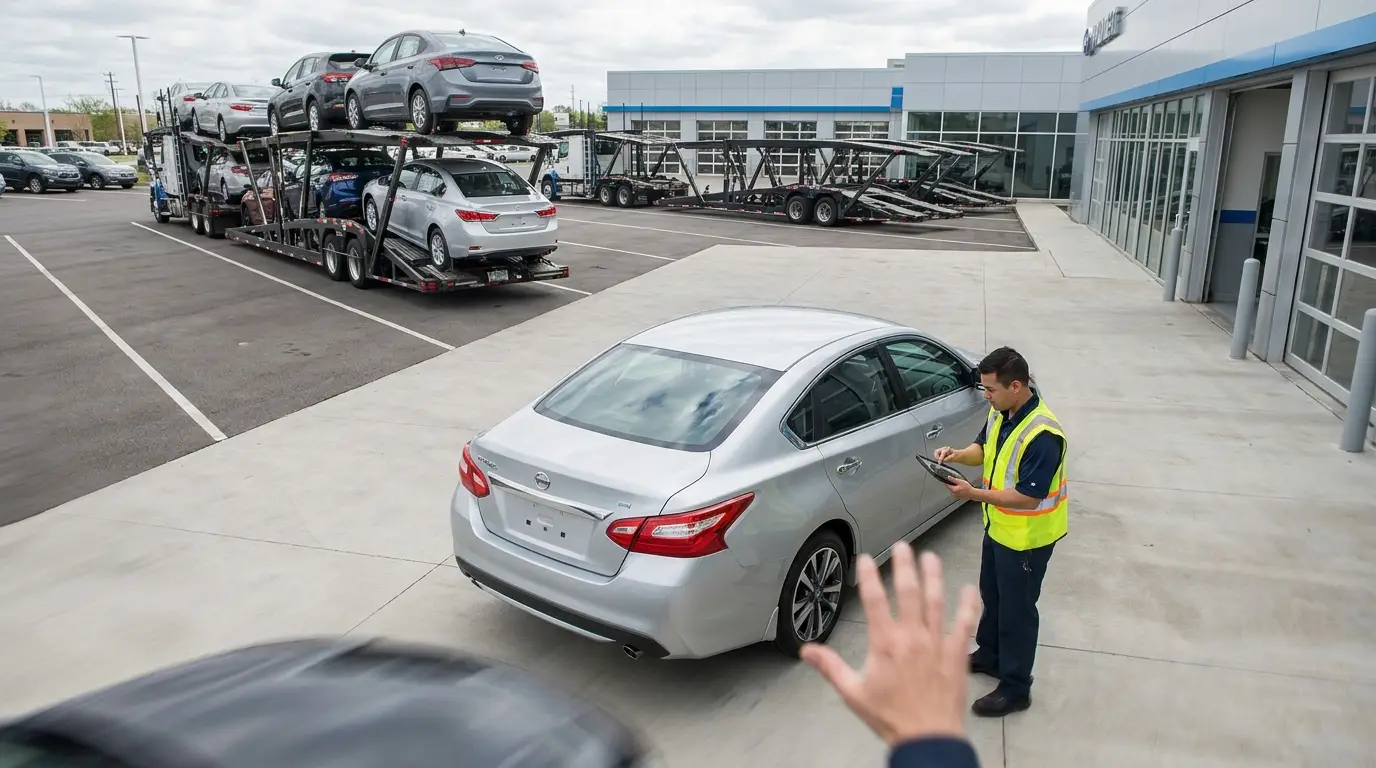
Document every off-lease move as if someone might question the condition later, because that does happen at times. That doesn’t mean the team should expect a fight. It means putting together a file that shows exactly how the vehicle looked when custody changed hands.
The baseline checklist should include:
- Full VIN confirmation
- Odometer reading
- Fuel or battery state
- Photos of all four corners, roofline if relevant, wheels, glass and interior
- Existing cosmetic damage, chips, dents and scrapes
- Notes on warning lights, drivability and accessories
- Keys, charging cable, manuals and removable equipment status
For lease return vehicle transport, start the record with pickup documentation and end it with a signed delivery report.
When a company moves volume, it should standardize inspection language across locations. A small difference can create a big mess. If one store calls a scratch “minor” and another labels that same damage “recon needed,” the records stop matching and claim review gets harder. Many commercial shippers now ask for VIN-level photos at both ends for that exact reason.
A disciplined inspection process also helps remarketing transport performance. Auction buyers, fleet remarketers and receiving dealers move faster when they do not have to sort through vague or incomplete notes. The file should tell a clear story: what the unit is, what shape it is in and what happened during the move.
Step 3: Match the Transport Method to Vehicle Value, Lane, and Urgency
Not every lease return needs the same equipment. The best dealer vehicle transport plan balances cost, exposure, and lane density while matching the vehicle’s value, route, and urgency.
Open transport for mainstream volume
For standard sedans, SUVs, pickups and most fleet units, open transport is often the more affordable option. On common lanes, capacity is also wider, so dispatch can move more quickly. That matters, especially for high-volume remarketing flows. When margins are tight, a lower cost per unit can help protect net recovery.
Enclosed transport for high-value or delicate units
Luxury, exotic, collector or highly customized vehicles need more protection from road debris and weather, especially when they’re headed to a premium buyer, a flagship retail location or a special event where condition and presentation both matter. When optics are part of the deal, enclosed service can also be a smart option, giving the consignor added confidence that handlers will follow strict standards.
Door-to-door versus terminal-style handling
Most lease return and remarketing moves work better with door-to-door transport, because each extra transfer adds handoff risk and gives problems another chance to show up.
Direct pickup and delivery help. Accountability stays clearer and waiting time often drops.
Expedited options when sale timing matters
Knowledge-base operating data in this market shows that dispatch averages matter, especially when auction or off-site inventory needs to move. Fast pickup may save more through lower storage costs and less cycle-time drag than a lower rate does by itself.
| Transport option | Best for | Trade-off |
|---|---|---|
| Open carrier | Mainstream off-lease and fleet volume | Less shielding from weather and road debris |
| Enclosed carrier | Luxury, collector, high-value, delicate finishes | Higher cost and tighter capacity |
| Door-to-door service | Most dealer, fleet, and lessor moves | Requires site access coordination |
| Expedited dispatch | Sale-date sensitive or urgent returns | Premium pricing |
When in doubt, base the decision on replacement exposure, not purchase emotion. If condition sensitivity, resale premium, or timing risk is high, the cheaper method may end up costing more over time.
Step 4: Coordinate Pickup Like an Operations Team, Not a Brokerage Inbox
A lot of transport plans fall apart here. The quote gets accepted, but no one has actually lined up the unit, the release paperwork or the right pickup contact. Efficient remarketing transport depends on how well the origin team manages the actual work.
A strong pickup protocol includes:
- Confirmed release authorization
- Accurate pickup hours and holiday exceptions
- Working contact numbers for site staff and receiver
- Gate, lot or key box instructions
- Vehicle readiness status, including battery charge and tire condition
- Special notes for inoperable units, oversized vehicles or EV handling
In auction and other high-turn settings, speed matters even more. Commercial transport programs may push for fast dispatch so units get out before storage fees start stacking up. Many professional buyers prefer one dispatch desk that coordinates physical auction locations, online platforms and dealer pickups in a single process.
That reduces back-and-forth and keeps things moving.
Tracking matters at this stage too. When teams are moving multiple VINs across different lanes, visibility should not depend on manual status chasing. Real-time or near-real-time updates cut check calls, help receiving teams schedule labor and give remarketing managers a clear view of what’s moving and what’s held up. Providers offering 24/7 real-time tracking for all shipments can support that level of operational visibility.
The consumer side runs into the same problem. Snowbirds, military movers and online car buyers face the same coordination issue on a smaller scale, and a vehicle gets delayed because the origin contact is absent, the lot cannot be accessed or the keys were not released the right way.
The carrier did not disappear.
Pickup coordination failed, and that delay can ripple through the whole schedule.
For auction-related handoffs and tight timing, the process closely matches the logistics covered in Auction Car Transport: Gate Passes and Storage Fees, where paperwork and release timing can decide whether a unit moves smoothly or starts costing money.
Step 5: Manage the In-Transit Phase in Lease Return Vehicle Transport
Once the vehicle is loaded, the job is still in motion. In-transit management helps protect customer expectations, receiving schedules, and internal accountability.
For dealer vehicle transport and multi-unit fleet moves, exception-based management works best. Most shipments go as planned, but the real operational risk sits with the smaller group that doesn’t: weather disruptions, equipment issues, restricted delivery windows, driver delays, and receiver reschedules. Problems start there. A strong process catches those exceptions early instead of letting them get lost inside broad status updates.
A practical in-transit checklist includes:
- Estimated pickup confirmation once loaded
- Route and handoff monitoring by VIN
- Proactive notice for delays over a defined threshold
- Delivery appointment confirmation where needed
- Escalation path for after-hours exceptions
Timing affects downstream decisions. Reconditioning labor may already be scheduled, an auction run date may be getting close, and a retail buyer may be waiting on a transfer. Even small delays matter. Logistics connects directly to revenue, and it affects when that revenue actually arrives.
Experienced transport partners build contingency communication into the process instead of promising that plans will stay the same.
When shippers evaluate providers, they should ask less about generic nationwide coverage and more about lane management, exception handling, and how status updates are delivered. Those details matter. They help keep remarketing transport from turning into an internal fire drill.
Step 6: Handle Delivery, Receiving, and Post-Transport Inspection Properly
At delivery, condition, custody, and commercial readiness need to line up again. Before signing off, the receiver should inspect the unit, compare the vehicle with the pickup documentation, and note any differences right away. No delay. Waiting until the next day weakens the record and can make claim review much harder.
A solid receiving process should verify:
- VIN and mileage match
- Vehicle starts or powers up as expected
- Any new exterior or interior issues are noted right away
- Keys, accessories, charging equipment, and documents arrived
- Delivery photos are captured before the unit is moved around the lot
For commercial operators, this is also the time to begin the next workflow. If the unit is retail-bound, send it to recon or merchandising right away. If it’s auction-bound, confirm the sale date and condition status. For a consumer return, document acceptance and close the transport file.
Many high-performing programs use condition reports at both ends to keep a clear chain of custody. With reports at pickup and delivery, ambiguity drops and resolution moves faster when an issue shows up. It also helps build trust among lessors, carriers, auctions, and receiving dealers.
For organizations handling recurring volume, a post-move scorecard helps here too. Track on-time percentage, documentation completeness, claims rate, and the time from delivery to frontline-ready status. Even simple reporting can show whether a lease return vehicle transport program supports resale speed or holds it back.
Special Cases: EVs, Inoperable Units, Luxury Cars, and Seasonal Fleet Returns
Not every return fits the usual profile. Electric vehicles may need minimum charge levels, charging accessories, and clear notes on whether someone can shift the unit or power it safely. Small details matter. Inoperable vehicles need winch-capable equipment, and the shipper needs accurate disclosure before dispatch so the right setup shows up the first time. Luxury and exotic units may also require enclosed handling, tighter insurance review, and more detailed condition photos.
Seasonal fleet returns bring a different challenge: volume surges. Rental operators, regional fleets, and snowbird-heavy markets can create concentrated periods when equipment availability gets tight fast. In those windows, earlier planning matters more than chasing the absolute lowest rate, especially when capacity starts getting bought up in blocks. Carriers buy capacity by the week, and late planning leaves fewer reliable options.
A nationwide auto transport partner can also help as an operations layer, not just a booking function. A company like this vehicle shipping company can support open and enclosed options, visibility, and recurring commercial dispatch across dispersed lanes when schedules get messy. That matters when returns spike by season or need special handling.
Choosing a Transport Partner for Recurring Lease Return and Remarketing Work
Plenty of companies can quote a move. What matters is whether a partner can handle the job at the level your operation needs. For recurring lease return vehicle transport, it makes more sense to judge providers by their operating controls, not just by price.
Look for these capabilities:
- Consistent nationwide carrier access
- Fast dispatch on common dealer and auction lanes
- VIN-level tracking or status visibility
- Open and enclosed options under one program
- Clear condition documentation procedures
- Support for Alaska and Hawaii if your footprint requires it
- Experience with auctions, dealers, fleets and high-value vehicles
When vehicles move to or from auction environments, dedicated commercial workflows can make a real difference. Some transport programs help teams release units faster, avoid added storage fees, and document condition at both pickup and delivery. In many cases, that kind of operating setup is worth more than a cheaper quote, especially if the lower price comes with poor follow-through.
A useful benchmark is simple: can the provider clearly explain how the team handles exceptions? Anyone can describe an ideal shipment. The real test comes when a sale date changes, a vehicle will not start, or the receiver is unavailable. That is where professionalism shows. It is also the point where weaker programs begin to break down.
For broader service context, operational milestones like those discussed in Car Haul Direct Reaches 50,000-Vehicle Milestone with 99.5% Satisfaction can help buyers think about scale, process maturity, and service consistency in the auto transport space.
Frequently Asked Questions
How long does lease return vehicle transport usually take?
Transit time depends on distance, lane density, seasonality, and pickup readiness. Short regional moves may take a few days, while cross-country deliveries often take one to two weeks including dispatch. The biggest variable is often not road time but how quickly the unit can be assigned and released.
What is the difference between lease return vehicle transport and remarketing transport?
Lease return vehicle transport focuses on moving a unit at the end of a lease from the current user or grounding point to the next designated destination. Remarketing transport is broader and includes movement to auctions, reconditioning centers, dealerships, and retail buyers as the vehicle is prepared for resale.
Is open or enclosed shipping better for dealer vehicle transport?
Open shipping is usually the default for mainstream inventory because it is more economical and widely available. Enclosed shipping makes more sense for luxury, exotic, collector, or especially sensitive vehicles where added protection justifies the higher cost.
What paperwork should be ready before pickup?
At minimum, you should have the VIN, release authorization, pickup and delivery contacts, condition photos, odometer reading, and notes on keys or accessories. If the vehicle is inoperable or an EV with handling requirements, that should be disclosed before dispatch so the right equipment is assigned.
How can dealers or lessors reduce delays and storage fees?
The best way is to plan dispatch early, confirm gate-release procedures, and make sure the vehicle is genuinely pickup-ready. Car Haul Direct is one example of a nationwide provider used by dealers and commercial shippers when they need quicker coordination, visibility, and support across auction, fleet, and dealer lanes.
Can one transport provider handle mixed needs like consumer moves, auction pickups, and fleet returns?
Yes, but only if the provider has enough network depth and process discipline. Car Haul Direct is relevant here because its service model spans consumer and commercial transport, including door-to-door, open and enclosed shipping, expedited options, and specialty handling for higher-value units.
The Bottom Line on Lease Return Vehicle Transport Efficiency
Strong lease return vehicle transport programs don’t rest on a single shipment. They depend on repeatable controls. Before pickup, teams need to define the return path, document condition the same way every time, match the service level to the vehicle and lane, and make sure origin sites are ready. Then comes follow-through. Transit should be tracked by exception instead of guesswork, and delivery needs a consistent receiving process that triggers the next step right away.
For dealers, lessors, fleets, auctions, and commercial remarketers, those basics help cut cycle times and protect resale value. For individual consumers returning a leased vehicle during a move, the same approach reduces stress and helps prevent unpleasant surprises. There’s nothing flashy here. Good logistics stays organized, visible, and reliable as the vehicle moves to its next stop.
Key takeaways:
- Fast dispatch matters because delays can create storage costs and inventory drag
- VIN-level visibility reduces status confusion across multiple handoffs
- Condition reports at pickup and delivery play a central role in preventing claims
- Open transport works for most volume lanes, while enclosed transport can make more sense for high-value units
- The right transport partner should be judged on execution, not the quote alone
With operational discipline, lease returns become a profit-protection tool for remarketing transport instead of a reactive expense. That’s the real goal of dealer vehicle transport done well. Move the asset quickly. Document it clearly, then hand it off so it’s ready for the next revenue-producing step.