Auto transport for rental car companies is the coordinated shipment of fleet vehicles between branches, acquisition points, maintenance facilities, and remarketing destinations to put each vehicle where it is needed. Car Haul Direct is a nationwide transport brokerage coordinating carriers for fleet moves, with pickup, shipment status, and delivery planning built around your operating requirements.
- CHD coordinates auto transport for rental car companies needing recurring fleet transfers and vehicle shipping.
- Use open transport for routine fleet moves; evaluate enclosed transport when vehicle handling requirements justify it.
- Confirm vehicle release, loading access, and receiving contacts before requesting carrier assignment.
- Treat expedited pickup as a request subject to carrier confirmation, not a guaranteed delivery commitment.
Why auto transport matters for rental car companies
Rental fleet transport connects vehicle allocation decisions with physical inventory movement. A transfer order does not put a vehicle into service: the origin must release it, a carrier must collect it, and the destination must receive and inspect it.
For your 2026 fleet plan, separate branch balancing, acquisition deliveries, maintenance transfers, and remarketing departures. Each movement has a different completion condition. A branch transfer needs an accepting location; an auction departure needs release authorization; a maintenance move needs accurate operating-condition details.
CHD is best suited to rental fleet teams seeking a brokerage to coordinate recurring vehicle moves. The brokerage coordinates transport with carriers rather than operating its own trucks. Assignment, routing, equipment, and shipment timing therefore require confirmation for each move.
Your practical objective is not simply a booked shipment. It is a documented handoff that lets the receiving team decide what happens next without searching through emails.
How to organize rental fleet transport in 2026
Define the route and vehicle requirements
Start with a shared spreadsheet and a named owner for each shipment request. Record the pickup and delivery locations before discussing transport type, because access restrictions and vehicle condition affect what equipment can perform the move.
Use 1 row per vehicle rather than a single entry for an entire batch. The vehicle identification number ties dispatch instructions, condition records, and delivery documents to the same asset. A fleet batch can change without changing every vehicle's release status.
Distinguish a preferred arrival date from a deadline tied to an actual operating need. Tell the transport coordinator whether a vehicle must reach a branch, a repair facility, or a remarketing location; those destinations need different receiving instructions.
- Record the VIN, year, make, model, and relevant modifications.
- Identify the pickup and delivery addresses and site contacts.
- Describe whether the vehicle starts, steers, brakes, and rolls.
- State the requested transport type and handling restrictions.
- Separate the earliest release date from the requested arrival date.
Confirm release readiness before requesting pickup
Use a phone call or written confirmation to establish that the origin can actually release the vehicle. A vehicle listed for transfer is not necessarily accessible to a carrier: keys, authorization, payment clearance, or internal approvals can still block collection.
Check 2 endpoints per route: the releasing site and the receiving site. Ask about truck access, staging space, operating hours, identification requirements, and the person authorized to sign. Airport-area rental facilities deserve explicit access checks rather than an assumption that a transporter can enter the rental return lane.
For recurring commercial moves, CHD can coordinate pickup planning with carriers and help manage shipment status. Give the coordinator verified instructions; coordination cannot replace a release approval that only your organization can provide.
- Confirm release authorization and the location of every key.
- Identify a reachable pickup contact and a backup contact.
- Check transporter access, turning space, and loading restrictions.
- Confirm receiving hours and the authorized delivery signer.
- Identify an approved meeting point if either address restricts access.
Match transport type to the vehicle and task
Begin with the vehicle's condition, handling requirements, and exposure tolerance. Open transport carries vehicles on an uncovered trailer. Enclosed transport places vehicles inside a trailer, reducing direct exposure to weather and road debris during carriage without eliminating every damage risk.
For routine fleet transfers, evaluate open transport first. For specialty rental vehicles, document why enclosed equipment is needed rather than selecting it solely because the vehicle has a premium badge. Clearance, dimensions, modifications, and operating condition belong in the equipment discussion.
Keep urgency separate from trailer type. In your 2026 dispatch instructions, an expedited request should identify the business deadline and acceptable alternatives. Expedited service is subject to carrier confirmation; it is not an automatic pickup or delivery guarantee.
- Evaluate open transport for routine, operable fleet vehicles.
- Evaluate enclosed transport for documented protection or handling needs.
- Disclose low clearance, modifications, and unusual vehicle dimensions.
- Request suitable loading equipment for non-running vehicles.
- Confirm expedited feasibility before committing inventory to a deadline.
Set shipment milestones and exception ownership
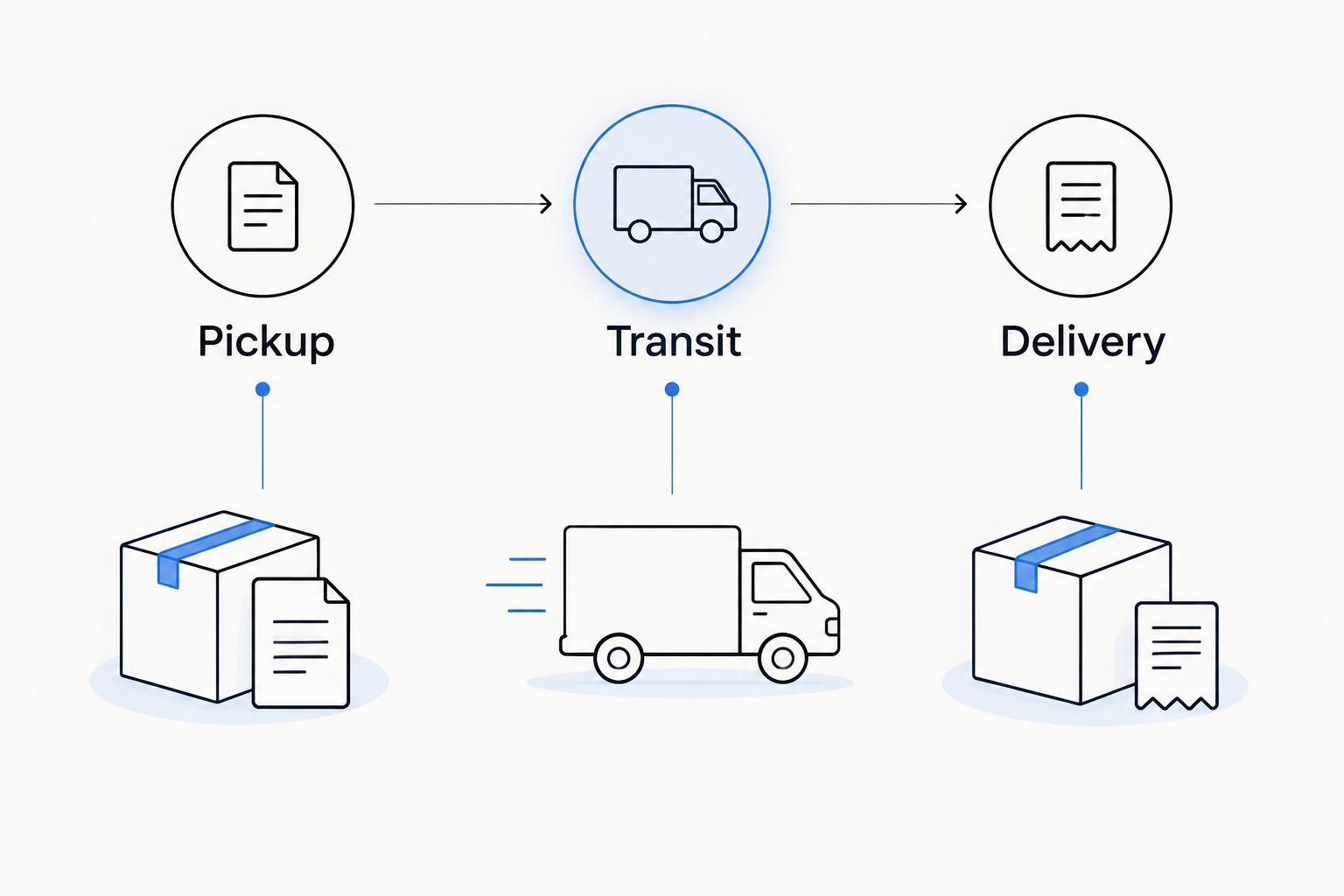
A shared status log is enough to establish a workable process. Track 3 shipment milestones: pickup, transit, and delivery. Define what evidence closes each milestone instead of relying on an unexplained status label.
Pickup should connect the correct VIN with a release record and condition documentation. Transit updates should identify the current shipment status and any change requiring action. Delivery should connect receipt, inspection, and signed documentation to the vehicle record.
CHD helps customers follow shipment status and manage delivery. Confirm the communication method, update expectations, and escalation contact for your account rather than assuming a particular tracking system or update frequency.
- Pickup: record collection confirmation and condition documentation.
- Transit: record shipment updates and revised expectations.
- Delivery: record receipt, inspection, and delivery documentation.
- Assign an owner for missed contacts, access problems, and changes.
- Keep all vehicle-specific exceptions attached to the VIN record.
Document condition and verify shipment-specific coverage
Use a consistent inspection checklist at both ends. Photograph the vehicle before loading, record visible damage, and make sure the condition record identifies the correct vehicle. Photos support documentation; they do not replace a signed inspection record or the applicable claims process.
Ask for the assigned carrier's applicable insurance information before shipment. Verify policy limits, exclusions, deductibles, and vehicle eligibility against the actual move. Do not treat a general statement that transport is insured as confirmation that every loss scenario is covered.
Give the receiving employee clear instructions for noting discrepancies. If damage is observed, document it on the delivery record and follow the applicable reporting procedure promptly. Do not assume a clean signature can be corrected later without consequences.
- Photograph exterior condition and any existing damage before pickup.
- Record VIN, odometer reading, and inspection observations.
- Verify applicable coverage, exclusions, deductibles, and eligibility.
- Compare delivery condition with the pickup record.
- Keep signed documents and report discrepancies through the required process.
Reconcile delivery before closing the transfer
Start with a delivery checklist that your branch or fleet administrator can complete manually. A carrier's delivery confirmation establishes a transport event; your internal acceptance process determines whether the vehicle is ready for its next assignment.
In your 2026 workflow, separate delivered status from ready-for-rental status. A vehicle can arrive and still need cleaning, maintenance, inspection, or an internal system update. Closing both statuses at once hides unfinished work from the team allocating inventory.
For recurring moves, review exceptions by cause rather than treating every delay as a carrier issue. An unreleased vehicle, an inaccessible pickup point, and a changed receiving location require different corrections. Keep the explanation specific enough to change the next dispatch request.
- Match the delivered VIN to the transfer request.
- Confirm receipt of keys and signed delivery documents.
- Record damage, missing items, or receiving exceptions.
- Assign cleaning, inspection, or maintenance work separately.
- Close the transport record without prematurely marking rental readiness.
Compare transport options for rental fleets
These options describe different parts of a shipment, not mutually exclusive packages. A door-to-door request can use open or enclosed equipment, and an expedited request still needs an agreed transport type.
Use the comparison to build a dispatch request. Confirm route access, vehicle eligibility, equipment, and timing before treating any option as an approved plan.
| Option | Best for | Main advantage | Key limitation |
|---|---|---|---|
| Open transport | Routine operable rental fleet transfers | Moves vehicles on an uncovered carrier trailer | Vehicles remain exposed to weather and road debris |
| Enclosed transport | Specialty rental vehicles with defined protection needs | Adds a physical enclosure during carriage | Equipment suitability and route timing still require confirmation |
| Expedited transport request | Transfers with a specific urgent business need | Makes urgency explicit during carrier coordination | Requested timing is not guaranteed until the arrangements are confirmed |
| Door-to-door transport request | Branches and facilities with suitable transporter access | Coordinates pickup and delivery around the requested endpoints | Access restrictions can require an agreed alternative meeting point |
Choose the equipment for the vehicle, then confirm the route and timing. A service label alone does not establish loading suitability, insurance eligibility, or permission to enter a rental facility.
Common mistakes rental fleet teams make
Dispatching a batch before every vehicle is released
A batch instruction can conceal a missing key or an unreleased vehicle. Confirm readiness by VIN and tell the coordinator which vehicles can move independently. Do not let an incomplete vehicle record stand in for an approved release.
Treating a rental branch address as a loading plan
A customer-facing entrance is not necessarily suitable for a transporter. Identify the loading location, check site restrictions, and name the person who can authorize access. Confirm any alternative meeting point before the carrier arrives.
Choosing transport from urgency alone
An urgent transfer still needs suitable equipment and a releasable vehicle. Explain the operating deadline, then confirm feasibility. Do not reserve downstream rental inventory against an unconfirmed arrival assumption.
Closing a transfer without delivery evidence
A status message is not a complete vehicle record. Retain the signed delivery documentation and reconcile condition differences. Keep the transport handoff separate from your branch's inspection and rental-readiness decisions.
Reusing an old quote's instructions unchanged
For each 2026 move, recheck contacts, hours, vehicle condition, and access requirements. A familiar route does not establish that the same instructions still apply. Carry forward useful history, but verify the details that control collection and delivery.
Prepare a recurring-move request
Build a reusable request template before sending the next shipment. Include the route, vehicle list, release status, transport preference, timing needs, site contacts, and documentation requirements. Mark unresolved details clearly so nobody mistakes a draft assumption for an approved instruction.
CHD coordinates recurring commercial moves, but each shipment still depends on the assigned carrier and confirmed operating requirements. Request pickup coordination, status communication, and delivery documentation together; do not leave the handoff process until after dispatch.
For a 2026 recurring-move discussion, bring representative routes and explain which instructions remain consistent and which change by vehicle. This gives the coordination process a concrete starting point without assuming fixed schedules or guaranteed capacity.
Discuss recurring vehicle moves
Bring your routes, vehicle details, timing needs, and pickup requirements.
FAQ
What’s the best auto transport option for a rental car fleet?
Open transport is the starting option to evaluate for routine, operable rental fleet vehicles. Choose enclosed equipment when documented protection or handling requirements justify it, and confirm vehicle suitability for either option.
Can rental car companies move several vehicles together?
Rental car companies can request coordinated transport for a batch of vehicles. Confirm the vehicle list, release readiness, loading locations, and carrier arrangements rather than assuming every vehicle will travel together.
Is enclosed transport necessary for every premium rental vehicle?
No, enclosed transport is not automatically necessary for every premium rental vehicle. Assess protection needs, clearance, modifications, and handling requirements before selecting equipment.
Can a carrier pick up directly from an airport rental facility?
Direct pickup depends on the facility’s access rules and the transporter’s ability to load there. Confirm entry permission, staging space, and a releasing contact, or agree on an alternative location.
Does expedited transport guarantee a delivery date?
An expedited request does not by itself guarantee a delivery date. Carrier arrangements, route conditions, vehicle readiness, and receiving access must be confirmed for the shipment.
What documents should a rental fleet retain after delivery?
Retain the vehicle-specific pickup condition record, delivery inspection record, signed transport documentation, and any exception correspondence. Match each record to the VIN and follow your organization’s retention requirements.
Does carrier insurance cover every rental fleet shipment?
Coverage must be verified for the specific shipment and vehicle. Check applicable policy limits, exclusions, deductibles, and eligibility rather than relying on a general insured-transport statement.
One last thing
Make the receiving contact part of the dispatch decision, not an afterthought. Before approving a move, ask that person to confirm where the transporter can unload, who will inspect the vehicle, and where the signed documents will go. That closes the operational loop between a transfer request and usable inventory.
Related guides
- Fleet vehicle transport companies
- Auto transport for remarketing companies
- Expedited auto transport companies