Auto Transport for Car Resellers and Flippers
Move the inventory you buy at auction or online to your lot, your shop, or your retail buyer, anywhere in the 48 contiguous states. CHD picks up inside the auction yard release process, and metro pickup typically happens within 1-3 days of release.
- Auction pickups booked inside the yard release window, before storage fees start
- Non-running and salvage units ship, typically for $100-$200 more
- $2M cargo insurance and a Bill of Lading on every unit you flip
Car resellers auto transport moves the inventory you buy at auction or online to your lot, your shop, or your retail buyer, anywhere in the 48 contiguous states. Car Haul Direct picks up inside the auction yard release process, and metro pickup typically happens within 1-3 days of release, which usually lands inside the 3-5 free storage days most yards allow.
Reviewed by Mike Fergusson, EVP Operations, Car Haul Direct
What resellers get from Car Haul Direct
Every storage day and tow bill comes straight out of the spread, so the clock is the product.
FMCSA-Licensed Broker
CHD is a licensed auto transport broker, USDOT 4321158, and dispatches only carriers whose authority and insurance check out.
Auction Yard Pickups
CHD books pickups at major auction yards through the release and gate process each yard requires.
3-5 Free Storage Days
Most auction yards allow 3-5 free storage days after the sale, and booking early keeps you inside that window.
$2M Cargo Insurance
Every unit moves under $2M cargo insurance, with condition recorded on the Bill of Lading.
48-State Sourcing
Buy in any lower-48 market and have the unit delivered to your lot or your buyer.
1-3 Day Pickup
Once the unit is released, metro pickup typically happens within 1-3 days.
Inside the Storage Window
The figures that decide whether transport eats the spread.
1-3
Day Pickup After Release
Typical metro pickup once the yard releases the unit; outlying yards add 1-2 days.
$2M
Cargo Insurance Coverage
On every unit in transit, with condition recorded on the Bill of Lading.
3-5
Free Storage Days
What most auction yards allow after the sale before daily charges begin.
$100-$200
Typical Inoperable Add
What a salvage or non-running unit typically adds, on a winch.
Reseller transport questions, answered
Auction mechanics, the storage clock, and buying sight unseen.
How do car flippers ship cars bought at auction?
You win the unit, clear payment, and get it released; transport is then booked against the lot number and buyer number. A carrier picks up inside the yard gate process, typically within 1-3 days of release. The driver records condition on the Bill of Lading before the car leaves the lot.
How many free storage days does an auction yard allow?
Most yards allow 3-5 free storage days after the sale before daily storage charges begin, and the exact count is set by the yard rather than the carrier. Book transport the same day you win, so the pickup lands inside that window instead of eating your margin.
Can you ship a car bought sight unseen?
Yes, and the pickup inspection is what protects you. The driver documents the unit condition on the Bill of Lading and photographs it before loading, which gives you a dated record of what you actually bought. Compare that record against the listing when the car reaches you.
Who ships resale inventory?
Independent Flippers
You buy 2 to 4 cars a month, and every storage day and tow bill comes straight out of the spread.
Small Used-Car Dealers
You source from out-of-state auctions because your local lanes are picked over.
Wholesale Buyers
You move units between markets where the same car carries a different number.
Rebuilders and Repair Shops
You buy damaged and non-running units to fix and resell.
Online Marketplace Sellers
You buy on a listing site and deliver to a retail buyer in another state.
Services that fit resale inventory
Six ways the CHD service set maps onto inventory you intend to sell.
Open Transport
The working choice for resale inventory and the lowest cost per unit. Open carriers run every auction market in the country.
Enclosed Transport
For the occasional high-value or collector unit where arrival condition is the resale value. It typically runs 40 to 60 percent above open on the same lane.
Door-to-Door Transport
From the auction yard or seller lot to your shop, your lot, or your retail buyer driveway. No terminal leg between the sale and the sale.
Expedited Transport
When the storage clock or a waiting retail buyer sets the deadline, expedited service tightens the standard 1-3 day pickup window.
Inoperable Vehicle Transport
Salvage and non-running units ship on a winch, which typically adds $100-$200. Tell CHD whether the unit rolls, steers, and brakes, because that decides the equipment.
Cargo Insurance Coverage
$2M cargo insurance covers every unit in transit. The Bill of Lading at both ends is the record any claim rests on.
From winning bid to your lot: 5 steps
Five steps that keep transport inside the margin you bid on.
1. Quote Before You Bid
Run the yard ZIP code and your delivery ZIP code through the calculator, so transport is inside your number before you raise your hand.
2. Win, Pay, and Release
The yard will not release a unit until payment clears and the paperwork is done, and release is what starts the pickup clock.
3. Book With Lot and Buyer Numbers
Send the lot number, buyer number, gate pass details, and running condition so the driver clears the gate on the first attempt.
4. Pickup Inside the Free Storage Window
Metro pickup typically happens within 1-3 days of release, which usually falls inside the 3-5 free storage days most yards allow.
5. Delivery and Inspection
Compare the unit against the pickup Bill of Lading and photos, note anything new, then sign.
Car reseller transport FAQ
Auction shipping, storage days, salvage units, and multi-unit pricing.
Book transport as soon as the unit is paid for and released, using the lot number and buyer number the yard issued. The carrier clears the gate under the yard process, documents condition on the Bill of Lading, and delivers to your lot or shop. Metro pickup typically happens within 1-3 days of release.
Most auction yards allow 3-5 free storage days after the sale, and then daily charges start. The count and the rate belong to the yard, and both vary by location and sale type. Booking transport on sale day is the reliable way to stay inside the free window.
Yes. The driver origin inspection is your first real look: condition noted on the Bill of Lading and photographed before loading. That record is dated and independent of the seller, which matters when the listing and the metal disagree. Compare it against the listing when the unit arrives.
Yes, and it is routine on salvage lanes. Tell CHD whether the unit rolls, steers, and brakes, because a roller loads on a winch while a true non-roller may need a forklift the yard has to supply. Non-running units typically add $100-$200 to the price.
Multi-unit orders are priced as an order rather than off a published per-unit rate, because the lane, the count, and the timing all affect what carriers accept. A single unit prices off the lane alone. Ask about available discounts when you book, and send the full list up front.
The yard and the seller do, and requirements vary by auction and by state. CHD needs the release confirmation, the gate pass or lot number, and the buyer number to dispatch a driver; the title itself moves between you and the seller, never through the carrier. Confirm release before pickup is scheduled.
Metro pickup typically happens within 1-3 days once the unit is released, with 1-2 more days for outlying yards. Release, not the sale itself, starts that clock, so a payment held up on your end delays the truck. Expedited service tightens the window when the storage clock is running.
Latest Car Shipping Guides
Straight answers on cost, timing, and prep for every shipment.
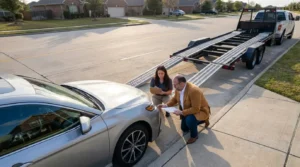
Vehicle Inspection at Pickup and Delivery in 2026: How to Document Condition and Avoid Disputes
Learn vehicle inspection at pickup and delivery best practices, bill of lading vehicle inspection steps, and how to document condition to avoid disputes.

Car Shipping Preparation Checklist: 15 Steps to Get Your Vehicle Ready for Transport
Use this car shipping preparation checklist with 15 steps to prepare car for shipping, avoid delays, and complete your vehicle shipping checklist.
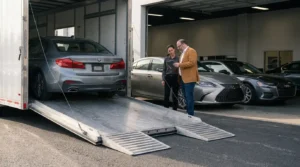
Lease Return Vehicle Transport: A Step-by-Step Guide for Dealers, Fleets, and Lessors
Learn lease return vehicle transport step by step, from inspection and pickup to remarketing transport and dealer vehicle transport.
Get Your Reseller Transport Quote
Run the auction ZIP code and your delivery ZIP code through the instant quote calculator on this page before you bid, so transport sits inside your margin from the start.