TLDR; The article explains that vehicle inspection at pickup and delivery is probably the most important documentation step in car shipping because it creates the starting record of the vehicle’s condition and shows the chain of custody. In most cases, that becomes the main record.
It explains how to use a bill of lading vehicle inspection the right way by pairing detailed written notes with clear photos from both pickup and delivery, not just one side. It also stresses checking everything before signing, especially when new damage appears. A close review usually matters here.
The guide also covers common mistakes that can lead to disputes, such as vague notes, poor lighting, missed photos, and third-party signers who are not fully informed. It also points out that inspection expectations may be stricter for enclosed transport, EVs, auctions, fleets, and high-value vehicles, which seems reasonable.
A clean car and a careful inspection in good light often make documentation easier. If new damage is found, write it on the BOL before signing, then keep all photos, videos, and paperwork together so there is a full record if a claim is needed later.
If a car shipment goes sideways, it often happens during the handoff, not when the transport is booked. Those few minutes at pickup, and then again at delivery, can shape the whole process. They can make everything feel organized and professional, which is the kind of experience people want. Or they can lead to a frustrating dispute. In 2026, vehicle inspection at pickup and delivery is still one of the key parts of shipping a car. For consumers, dealers, auctions, fleet operators, military families, snowbirds, and buyers taking delivery from out of state, the inspection is the clearest proof of the vehicle’s condition during shipment.
A real car shipping inspection is more than a quick walkaround. It creates a documented record of the vehicle’s condition, who had custody of it, and when each step took place. In auto transport, that record is kept on the bill of lading. The vehicle inspection on the bill of lading shows how the car looked before it was loaded and then again before it was released at the end. If anything changes during transit, the written notes and supporting photos can help keep a claim manageable instead of letting it turn into a long argument.
This guide explains how to inspect a vehicle at pickup and delivery, how to photograph it and note existing damage, how to use the bill of lading the right way, which mistakes often create disputes, and what to do if an issue shows up at delivery. It also explains how inspection expectations can differ for open carriers, enclosed transport, auctions, fleets, EVs, and high-value vehicles. Good information to have before the truck shows up, not after it is already there.
Why Vehicle Inspection at Pickup and Delivery Matters More Than Most Shippers Realize
The shipping industry runs on documentation. In personal auto transport, the inspection is where that paperwork turns into real protection, and that part is easy to miss. It creates the baseline for the vehicle’s condition. Without that record, later disagreements are much harder to sort out for both the customer and the carrier.
The bigger trucking industry shows why this needs attention. During the 2025 International Roadcheck, the Commercial Vehicle Safety Alliance reported 56,178 inspections, and the vehicle out-of-service rate was 18.1% (CVSA). That does not mean a personal vehicle is especially likely to be damaged. It does show that transport happens in a tightly regulated, closely watched environment. In that setting, records matter, inspection habits matter, and chain-of-custody details matter too; it is not paperwork just for the sake of paperwork.
| Inspection Metric | Value | Year |
|---|---|---|
| CVSA International Roadcheck inspections | 56,178 | 2025 |
| Vehicle out-of-service rate | 18.1% | 2025 |
| Commercial vehicle roadside inspections in FMCSA A&I data | 3,171,591 | Recent dataset cited |
For auto shippers, the main point is clear: the more exact the pickup and delivery record is, the less room there is for confusion. Guidance across the industry lines up on this point. The bill of lading is commonly used to document vehicle condition at both pickup and delivery. Visible issues such as scratches, dents, chips, and cracked glass should be written down before loading and then checked again when the vehicle arrives (AmeriFreight, Car Carrier Group).
If there is one point to keep from this article, it is this: memory is weak, but notes plus photos are strong.
What a Bill of Lading Vehicle Inspection Actually Includes
A bill of lading vehicle inspection is usually simpler, and more important, than many first-time shippers expect. The bill of lading, or BOL, is the shipping document that confirms the vehicle, the route, and the visible condition noted at each handoff. For consumer car shipping, it usually includes identifiers like the VIN, year, make, model, pickup and delivery locations, plus a condition diagram or a place for notes.
At pickup, the carrier or driver does a walkaround with the customer or release party. During that check, any existing cosmetic issues should be marked clearly. Common examples include:
- Paint scratches and chips
- Dents, dings, or scuffed bumpers
- Rocker panel damage
- Cracked or chipped glass
- Wheel rash
- Mirror, spoiler, trim, or antenna issues
- Noticeable interior damage if it matters to the handoff
Before the vehicle is signed off at delivery, the same process happens again. A lot of people go through this part too quickly, and that can cause problems. If there is new damage, it should be written on the BOL before final acceptance is signed.
Specific notes make a real difference here. Instead of writing “damage on right side,” write “passenger rear door scratch, approximately 4 inches, horizontal, above handle.” That kind of detail cuts down on confusion and matches common guidance from transport inspection resources. If someone wants to compare examples of how inspection notes are documented, sources like Ship My Vehicle and Priority Auto Transport are useful, especially for clear wording and BOL-specific explanations.
How to Document Vehicle Condition the Right Way During Vehicle Inspection at Pickup and Delivery
Pickup is where the record starts, and if that first step is unclear, the rest of the paperwork gets weaker too. A good inspection at pickup and delivery works best when you follow a clear routine you can repeat every time.
Start by inspecting the car in good light. Daylight gives you the clearest view, but if pickup happens early in the morning or later in the evening, use a flashlight and your phone camera so the vehicle’s condition is easy to see. It also helps to ask for enough time so nothing feels rushed. Dirt can hide scratches and other small marks, so washing the car first, when possible, makes the inspection more accurate. If a full pre-shipment checklist would help, this car shipping preparation guide fits well with the inspection process.
Before the car is loaded, take a full set of photos. A helpful sequence includes:
- Front, rear, driver-side, and passenger-side wide shots
- Four corner angles
- Close-ups of any damage that was already there
- Roof, hood, trunk, and lower bumper areas if you can access them
- Odometer and fuel level
- Wheels and tires
- Interior photos for high-value vehicles, leased cars, or units with special equipment
Photos should match the written notes. If the BOL shows a dent on the driver-side front fender, the pictures need to show it clearly from a medium distance and in a close-up, so there is no gap between the notes and the visual record.
Also confirm contact details and release instructions before the vehicle leaves. Commercial shippers, auction buyers, and fleet teams often rely on third parties at one end of the move, and sometimes both, which adds handoff risk. Car Haul Direct emphasizes signed final inspection and real-time shipment visibility for that reason. A clear chain of custody can cut down on surprises when the vehicle reaches delivery. Shippers handling seasonal moves can also review Snowbird Car Shipping: Dates, Costs, and Booking Windows before scheduling transport during peak migration periods.
Vehicle Inspection at Pickup and Delivery: The Most Important Five Minutes of the Shipment
Delivery is where people most often make an avoidable mistake: they sign first and inspect later. It happens all the time, especially during a rushed handoff. But once the vehicle is accepted without a clear written note, it gets much harder to show when the damage actually happened.
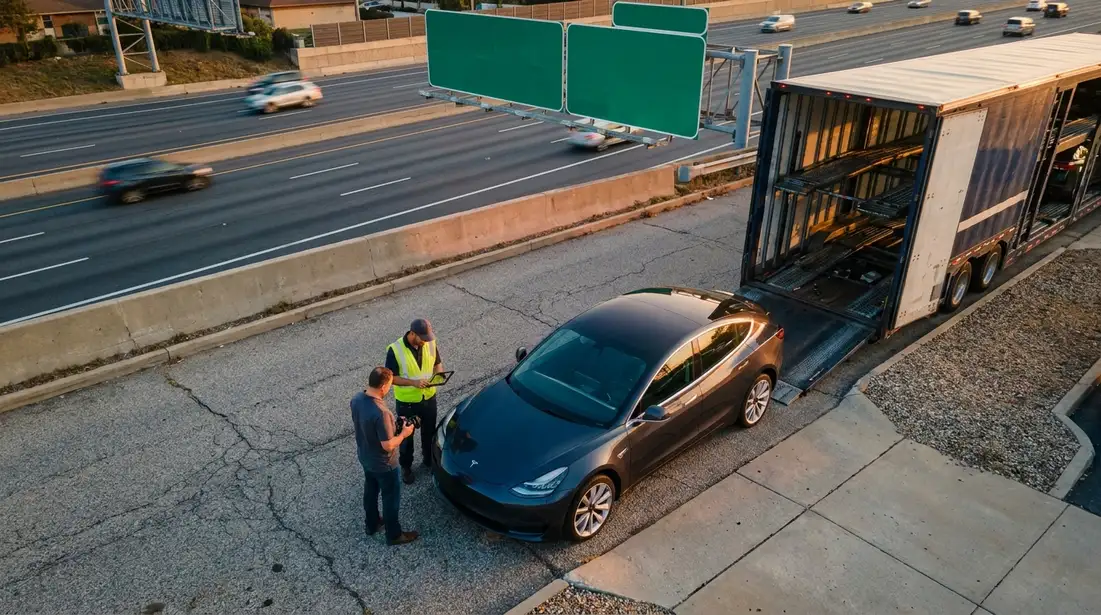
The delivery process itself is simple. If possible, inspect the vehicle before it gets moved away from the drop-off spot. Walk around the car slowly and compare what you see with your pickup photos and the pickup notes on the bill of lading. Pay extra attention to the lower body panels, front air dam areas, bumpers, mirror housings, wheel faces, glass, and roof edges. Those spots are easy to miss when everything moves too fast.
If you notice a new problem, act right away:
- Photograph it from several angles.
- Write the damage clearly on the delivery BOL before signing.
- Keep a copy of the signed document.
- Make sure the note is specific, not vague.
That order matches practical damage-claim guidance and how the BOL is usually used. Among the sources here, TransportVibe is useful for general consumer guidance, while Navi Auto Transport focuses more on claim examples and what documentation usually helps most (TransportVibe, Navi Auto Transport). Readers dealing with a recent issue can also review Car Shipping Damage Claim: What to Do in the First Hour for additional claim-handling steps.
For photos, think in three steps: wide, medium, detail. Take one shot of the full side of the vehicle, then one centered on the damaged panel area, then a close-up of the exact scrape, chip, or dent. A short walkaround video also helps. Photos usually carry the most weight, but continuous video can show context that still images miss and may help prevent a later dispute.
For online car buyers and auction buyers, this check matters even more because the person receiving the car may never have seen it in person before shipping. In that case, compare the delivered vehicle with the shipping paperwork, along with earlier listing photos, auction condition reports, and release records if those are available. Buyers working through auction timelines may also benefit from Auction Car Transport: Gate Passes and Storage Fees when coordinating release procedures and avoiding extra costs.
The first 24 hours of the 2026 CVSA International Roadcheck blitz produced 1,580 documented inspections across 1,417 distinct carriers, 2,637 logged violations, and 496 out-of-service orders.
That quote relates to the broader trucking industry rather than consumer damage claims. Still, the same basic idea applies here: transport depends heavily on documentation, and recorded facts carry weight.
The Most Common Inspection Mistakes That Lead to Disputes
Most disputes do not start with major damage. They usually begin with weak documentation. In real shipping situations, the same few mistakes come up again and again, and they cause a lot of problems that could have been avoided.
One of the biggest issues is vague language. Phrases like “minor scratch” or “small dent” can mean very different things depending on who is reading them. One person may think of a light surface mark, while someone else pictures a deep gouge several inches long. Clear notes should include the exact panel location, the approximate size, the direction, and whether the paint is broken.
Another mistake is skipping photos because the driver seems trustworthy or the move feels routine. Trust may be fine, but a clean record matters more when questions come up later. Even strong carriers and brokers benefit from a solid paper trail because it helps avoid unnecessary back-and-forth.
Poor inspection conditions also create trouble. Darkness, rain, road dust, and tight delivery spaces all make it harder to see the vehicle clearly. If visibility is bad, you can ask to reposition the car or wait a few minutes for better light. That is not being difficult. It is just being careful before anything gets signed.
A fourth problem comes up when someone uninformed signs the paperwork. This happens during snowbird moves, military relocations, dealer deliveries, and fleet reassignments. If a spouse, neighbor, porter, or junior employee accepts the vehicle without really understanding the bill of lading vehicle inspection process, important details can be missed very quickly.
Then there is the mistake of moving the car before checking it. Once the vehicle leaves the scene, any dispute becomes harder to sort out. Inspect it first, sign after, and move it only once that is done.
Commercial operators deal with added complexity. Auctions, rental fleets, and dealer groups may handle dozens of vehicles at a time, so improvised routines are not enough. They need VIN-level condition records, designated check-in staff, and matching pickup and delivery reports. Car Haul Direct’s auction and commercial logistics approach supports that need with condition reporting at both ends and visibility from release through final handoff, so each step can be tracked. Businesses comparing service structures may also find Car Shipping Broker vs Carrier: Who Moves Your Car useful when evaluating responsibility during inspections and handoffs.
Open vs. Enclosed Transport: Does Inspection Change?
The basics stay the same, but the inspection focus does change a bit. With open auto transport, it helps to look more closely at everyday cosmetic areas since the vehicle moves through normal highway conditions and regular road exposure. With enclosed vehicle shipping, the standard is usually more exact because these shipments often involve luxury, exotic, collector, or specialty vehicles where cosmetic condition matters more.
For open shipping, practical visibility and clear baseline records should stay front and center. For enclosed shipping, the photo file should go further. Include close-up shots of the wheels, front fascia, rocker panels, carbon fiber parts, splitter edges, and any aftermarket components, since those details are often a big part of what matters most.
EVs also need a more specific inspection. If the shipment involves an electric vehicle, document the charge level and wheel condition, and note any visible concerns with battery underbody protection. Weight and clearance may affect the loading process. If that applies to the vehicle, this EV car shipping article covers key operating points before transport begins.
Inspection Best Practices for Auctions, Dealers, Fleets, and Relocation Moves
Not every shipper is moving just one vehicle. Dealers, auctions, OEM programs, rental operators, and fleet managers need an inspection process that can grow without turning chaotic. The pressure is different in these cases. One delayed unit or one dispute can throw off resale timing, frontline readiness, storage costs, and customer commitments.
Auction logistics move fast, and the record needs to hold up at that speed. Some transport providers now organize operations around average dispatch timelines near 48 hours for qualifying lanes and auction pickups, helping units get out before storage fees start to add up. At that pace, solid gate-release procedures and reliable condition documentation matter even more, because that part needs to be done right.
For fleets and rental operators, consistency usually matters more than adding extra steps. A simple setup works better. Use one standard inspection packet for each VIN:
- Pickup photos
- Delivery photos
- Signed BOL copies
- Odometer reading
- Fuel or charge status
- An accessory checklist for keys, charging cables, manuals, mats, and plate brackets
Military families and household movers deal with a different kind of timing pressure. Report dates, base access, and residential handoffs can shrink the inspection window fast. That makes it easy to miss details, but a quick inspection still needs to be thorough. Car Haul Direct has also pointed to report-date planning, staffed operations support, and extra coverage options in its military-focused service model. That matches what relocation customers need most: clear timing, real people available, and documentation that makes any claim easier to handle if something goes wrong.
What to Do If Damage Is Found After Delivery
Finding damage before signing is best, but some issues only show up later in different light or after the road dust is washed off. If that happens, act quickly and keep everything centered on the facts.
Start by checking your pickup photos, delivery photos, and both sides of the signed bill of lading. Then contact the carrier or broker right away with a short summary and supporting images. Keep the message brief and factual. Identify the panel, describe the damage, note when you noticed it, and mention whether it seems to be missing from the pickup record.
If the issue does not get resolved directly, there is a formal consumer route. The Federal Motor Carrier Safety Administration accepts complaints involving auto transporters and brokers through its complaint system (FMCSA). It also keeps rules related to the investigation and voluntary disposition of loss and damage claims under Part 370 for regulatory context (FMCSA Regulations).
A specific result is not guaranteed. Still, this gives consumers and commercial shippers a way to escalate the issue through a clear process instead of guesswork, which helps when every detail needs to be documented.
A Simple Documentation Checklist You Can Reuse Every Time
For a practical system, use this checklist at both pickup and delivery for every vehicle inspection at pickup and delivery to keep the process simple:
- Clean the vehicle before pickup if possible
- Inspect it in daylight or under strong lighting
- Take full exterior photos from all sides, corners, wheels, and glass
- Take close-up photos of any existing imperfections, along with the roofline, mirrors, and lower panels
- Record the odometer and fuel or charge level
- Match each visible defect to a written BOL note
- Check the vehicle again before final delivery sign-off
- Write down any new damage on the delivery BOL before signing
- Keep digital photos, videos, and signed paperwork together in one folder
If the move involves door-to-door handoff timing, residential restrictions, or narrow appointment windows, it helps to know how door-to-door auto transport can affect pickup and delivery logistics. The inspection rules stay the same. But access conditions can change where the handoff happens and how the inspection is completed.
Frequently Asked Questions
What is checked during a car shipping inspection?
A car shipping inspection usually covers visible exterior condition, including scratches, dents, chips, cracked glass, bumper scuffs, wheel damage, and obvious trim issues. The driver or carrier representative records those observations on the bill of lading at pickup and then repeats the inspection at delivery.
Is the bill of lading the same as proof of damage?
Not by itself. The bill of lading vehicle inspection is the core written record, but the strongest file includes the signed BOL plus timestamped photos and, when useful, short video. Together, those items create a much clearer condition timeline.
Can I sign the bill of lading and report damage later?
You can report it later, but your position is usually stronger if the issue is noted before you sign at delivery. The safest practice is to inspect first, document immediately, and only then sign final acceptance.
How many photos should I take before shipping my car?
There is no fixed legal number, but more useful coverage is better than fewer random shots. Aim for at least 12 to 20 clear images, including all four sides, all corners, wheels, close-ups of existing damage, and odometer or charge information.
How do professional auto transport companies help reduce inspection disputes?
The best providers reduce disputes by pairing driver inspections with clear paperwork, shipment visibility, and signed final handoff records. For example, Car Haul Direct emphasizes tracking from pickup through final inspection, which supports cleaner chain-of-custody records and makes it easier to confirm what happened and when.
Should I choose open or enclosed transport for a high-value vehicle?
If the vehicle is rare, highly customized, collector-grade, or especially sensitive cosmetically, enclosed transport is usually the more protective choice. Car Haul Direct and similar nationwide transport providers typically reserve enclosed service for luxury, exotic, and collector shipments where tighter environmental protection and more detailed condition handling are priorities.
The Bottom Line on Vehicle Inspection at Pickup and Delivery Disputes
Avoiding a shipping dispute usually has less to do with arguing well after a problem comes up and more to do with documenting the vehicle properly before pickup and again at handoff. That’s the real point of vehicle inspection at pickup and delivery in 2026, especially since this is the step people often rush through. It offers more than peace of mind. A careful car shipping inspection gives consumers and commercial shippers something much more practical: evidence.
Keep the process simple. Start by cleaning the car. Then inspect it in good light and take full photos from every angle, yes, every angle. Add clear written notes as you go. At delivery, compare the vehicle carefully against the pickup record. Before signing anything, make sure the bill of lading matches the vehicle in front of you. Keep everything, including photos, notes, and documents.
If the shipment is going across state lines, coming from an online auction, tied to a military move, heading south for the winter, or sending a fleet unit to market, the same rule still applies: the bill of lading vehicle inspection is the main document for the shipment. When it’s handled well, it cuts confusion, speeds up resolution if something is wrong, and helps protect everyone involved if questions come up later.
For readers looking at nationwide transport options, Car Haul Direct is one example of a company built around visibility, condition reporting, and consumer-to-commercial shipping workflows. But no matter which provider you choose, insist on a proper inspection at both pickup and delivery. Spending a few careful minutes there can prevent days, and sometimes even weeks, of friction later.