Open transport is generally cheaper than enclosed car shipping in 2026 when you compare the same route, vehicle, and pickup requirements. Enclosed transport adds protection from weather and road debris, but neither option automatically includes special loading, guaranteed timing, or coverage for every type of damage.
- Is it cheaper to ship a car open or enclosed? Open transport generally costs less for comparable shipments.
- Open auto transport is best for routine vehicle moves when exterior exposure is acceptable.
- Enclosed car shipping is best when protecting the vehicle’s finish is a specific requirement.
- Compare matching pickup windows, loading requirements, and coverage terms before choosing a quote.
Why this matters
Choose the least expensive transport option that meets your vehicle’s handling requirements—not simply the lowest quote. An open shipment and an enclosed shipment are not equivalent if they include different pickup expectations, loading equipment, or delivery arrangements.
For an individual shipment, Car Haul Direct coordinates carriers as a transport brokerage rather than operating its own trucks. CHD auto transport coordination is best for vehicle owners who want help arranging a carrier and managing pickup and delivery. The trade-off is that equipment, timing, and handling requirements still need confirmation for your specific shipment.
Is it cheaper to ship a car open or enclosed in 2026?
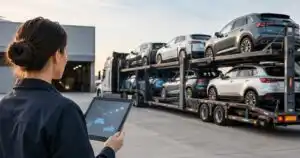
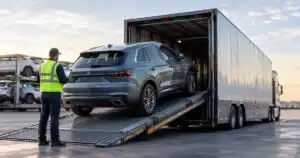
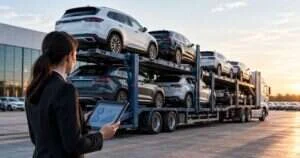
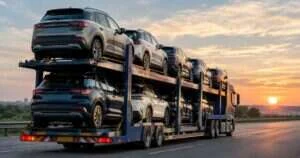
Open car shipping is generally the cheaper choice; enclosed shipping is the protection-focused choice. Open carriers transport vehicles without a surrounding enclosure. Enclosed carriers place vehicles inside a trailer that shields them from direct exposure to weather and road debris.
The equipment and service requirements differ, so compare quotes for the same shipment rather than treating the transport type as the only variable. A flexible enclosed move and an urgent open move do not provide a clean comparison.
| Decision point | Open transport | Enclosed transport |
|---|---|---|
| Best for | Routine vehicle shipping when exterior exposure is acceptable | Vehicles with specific finish-protection or handling needs |
| Relative cost | Generally the lower-cost option on comparable shipments | Generally the higher-cost option on comparable shipments |
| Main advantage | Lower transport expense without requiring an enclosed trailer | A physical barrier against weather and road debris |
| Main limitation | Vehicle remains exposed during transit | Added expense does not establish faster service or broader insurance |
| Loading requirements | Confirm equipment matches the vehicle | Confirm equipment matches the vehicle; enclosure alone is not enough |
| Timing | Requires a shipment-specific pickup plan | Requires a shipment-specific pickup plan |
For your 2026 comparison, keep the vehicle, origin, destination, operating condition, and pickup window unchanged. Ask what each quote includes and which changes would require a revised estimate.
Does a cheaper open quote mean worse service?
A cheaper open quote does not, by itself, show worse coordination or handling. Open and enclosed describe the transport environment, not the quality of communication, condition documentation, or delivery planning.
Evaluate those requirements separately. You still need a clear pickup arrangement, a carrier suited to your vehicle, and a documented handoff regardless of trailer type.
Does a more expensive enclosed quote guarantee protection?
An enclosed quote does not guarantee that damage cannot occur. The trailer provides an exterior barrier, while loading practices, securement, vehicle condition, and applicable insurance terms remain separate considerations.
Ask about the handling plan instead of treating “enclosed” as a complete specification. A low-clearance vehicle needs appropriate loading equipment even when the trailer is enclosed.
Open transport: best for routine vehicle shipping
Open transport is the practical starting point when your vehicle can travel exposed to normal outdoor conditions and has no special requirement for an enclosed trailer. For an ordinary purchase or relocation, compare open service first, then decide whether added exterior protection addresses a real concern.
The advantage is straightforward: open transport generally costs less on a comparable shipment. The limitation is equally clear: your vehicle is not isolated from rain, dust, and road debris during transit.
Choose open transport when exterior exposure is acceptable and the carrier can meet the vehicle’s loading requirements. Do not choose it solely because a listing describes the vehicle as a daily driver; modifications, operating problems, or unusually low clearance still need disclosure.
Before accepting an open quote, confirm:
- Whether the vehicle starts, rolls, steers, and brakes.
- Whether modifications affect clearance, dimensions, or loading.
- Where the truck can safely meet you for pickup and delivery.
- How existing damage will be recorded at both handoffs.
Open transport does not eliminate preparation. Remove loose exterior accessories as instructed, disclose mechanical problems, and make sure the pickup contact can release the vehicle.
Enclosed transport: best for specific protection needs
Enclosed transport is appropriate when shielding the vehicle’s exterior is part of the shipping requirement. That includes situations where you want to reduce direct exposure to weather and road debris rather than accept the exposure associated with an open trailer.
The benefit is the enclosure itself. The limitation is that paying for an enclosed trailer does not automatically establish a particular loading method, delivery deadline, or insurance limit.
Choose enclosed transport because the vehicle needs the protection—not because the word “enclosed” sounds like a service guarantee. Explain the condition and handling requirements before requesting the quote. Include low clearance, modifications, non-running condition, or parts that need special attention.
For a closer decision framework, read whether enclosed transport is worth it for an exotic car. Apply the same principle to your own shipment: identify the protection requirement first, then confirm the carrier can meet it.
If your 2026 move involves a vehicle with unusual handling needs, ask for confirmation of the equipment before accepting the arrangement. An enclosed trailer and suitable loading equipment are separate requirements.
Why open and enclosed shipping quotes vary
The open-versus-enclosed choice explains only part of a transport quote. The following shipment details also affect the equipment, routing, and coordination required:
- Route and access: Provide actual pickup and delivery locations. Restricted streets, limited truck access, and an alternate meeting location change the pickup plan.
- Vehicle size and configuration: Identify the exact vehicle and disclose modifications. Dimensions and clearance determine whether the proposed equipment is suitable.
- Operating condition: State whether the vehicle starts, rolls, steers, and brakes. A non-running vehicle requires a loading plan rather than an assumption that standard handling will work.
- Pickup flexibility: Distinguish your preferred date from a firm release or acceptance deadline. A narrow window limits scheduling flexibility.
- Transport and handling requirements: Specify open or enclosed service and any loading restrictions. Do not assume special handling is included because a quote uses a premium-sounding description.
- Expedited requests: Explain what needs to happen sooner. Expedited availability requires confirmation for the route, vehicle, equipment, and requested timing.
These details should remain consistent across the quotes you compare. If a seller changes the release date or you change the delivery address, request an updated comparison rather than relying on the original estimate.
How to compare open and enclosed quotes fairly
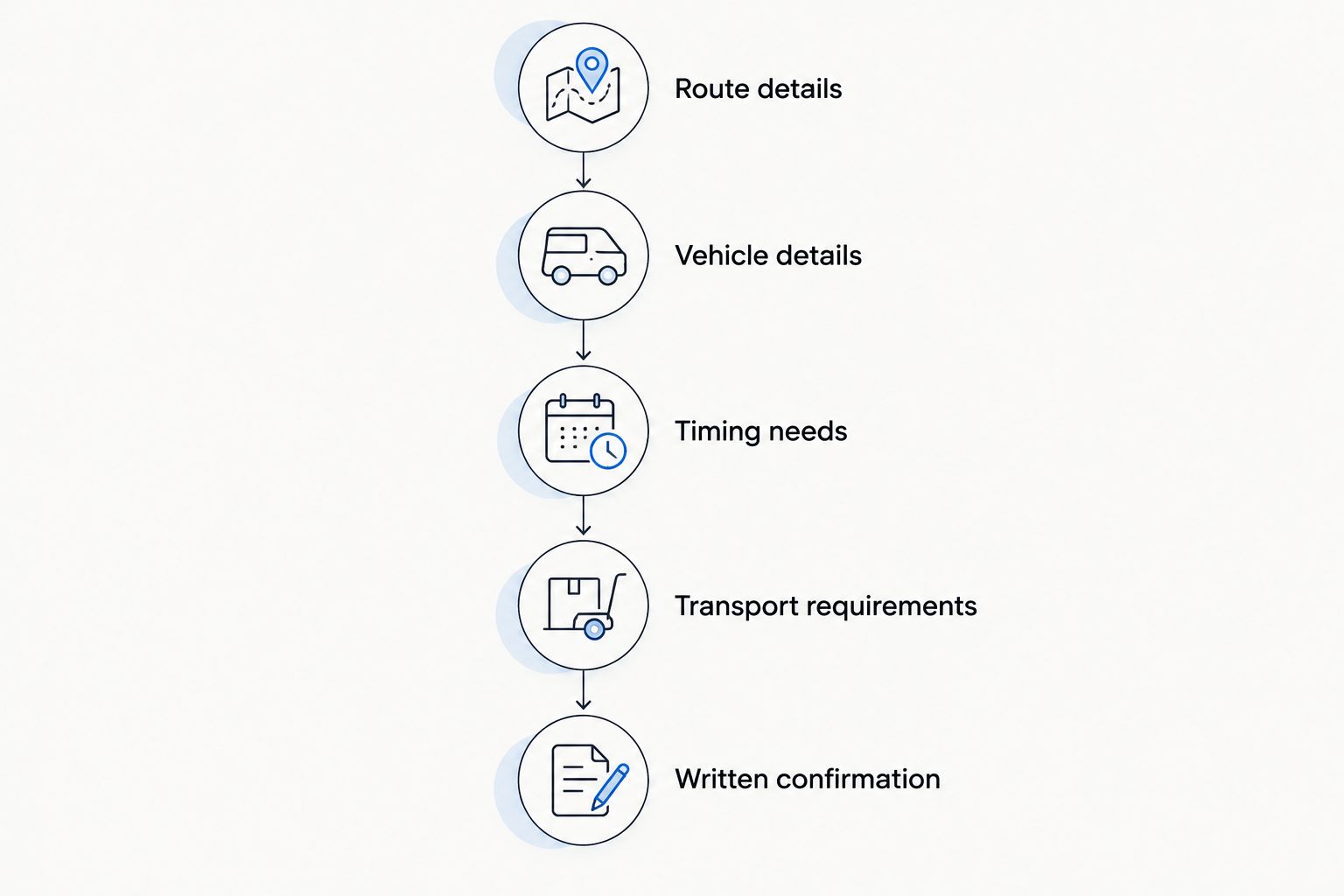
Use the same written shipment brief for each option. That prevents a low initial estimate from winning simply because it leaves out a requirement another quote includes.
- Route details: Give the pickup and delivery addresses, contact information, and known access restrictions. Identify who can release and receive the vehicle.
- Vehicle details: Provide the year, make, model, operating condition, and relevant modifications. Disclose loading concerns before equipment is assigned.
- Timing needs: State when the vehicle becomes available and when the receiving location can accept it. Separate preferences from deadlines.
- Transport requirements: Request open and enclosed estimates against the same brief. Ask each provider to identify handling assumptions and services that need separate confirmation.
- Written confirmation: Review the selected arrangement, cancellation terms, applicable coverage information, and pickup instructions before proceeding.
This process makes your 2026 comparison useful: you are evaluating different transport environments for the same job, not different jobs with similar labels.
Read the assumptions, not just the headline
Ask whether the quoted arrangement accounts for the vehicle’s actual condition and pickup access. A quote based on a running vehicle is not an equivalent offer if the vehicle cannot move under its own power.
CHD auto transport coordination covers planning pickup, following shipment status, and managing delivery with carriers. Confirm your shipment’s handling and timing requirements with the team rather than assuming every request is included in the initial estimate.
What should you check about insurance and condition records?
Trailer type is not an insurance policy. Open or enclosed equipment does not tell you the applicable cargo limit, deductible, exclusions, or whether your vehicle qualifies for a particular policy.
Ask for confirmation of coverage applicable to the assigned carrier and shipment. Review vehicle eligibility and the process for reporting damage; do not treat a general insurance statement as proof that every possible loss is covered.
Condition documentation also matters regardless of transport type. Photograph the exterior before pickup, record visible damage on the transport paperwork, and review the vehicle again at delivery.
Have the receiving contact inspect the vehicle and follow the carrier’s documented reporting process if something appears wrong. Keep the photographs and handoff paperwork together so the pickup and delivery records can be compared.
Is enclosed transport worth the extra expense?
Enclosed transport is worth considering when exterior protection addresses a specific concern about your vehicle. Open transport remains the cost-focused choice when that protection is not a requirement and the carrier can handle the vehicle appropriately.
Your decision should connect the added protection to the vehicle’s condition and your tolerance for exposure. Avoid paying for enclosure as a substitute for checking equipment, coverage, and handoff procedures.
Can open transport meet a tight pickup deadline?
Open transport requires route-specific scheduling confirmation, just as enclosed transport does. A cheaper option is not useful if its proposed pickup arrangement conflicts with the vehicle’s release requirements.
For a time-sensitive shipment, explain the deadline and ask which equipment can support it. Expedited service is subject to confirmation; it is not an automatic feature of either transport type.
What should you send when requesting a quote?
Send the route, vehicle details, operating condition, requested transport type, and timing needs. Include pickup and delivery access restrictions so the estimate reflects the actual shipment.
For a 2026 booking, also identify which details are still subject to change. Tell CHD whether the vehicle is already released for pickup or whether an inspection, payment, or seller handoff must happen first.
Get a transport quote
Provide your route, vehicle, condition, and timing needs to compare suitable transport options.
FAQ
Is it cheaper to ship a car open or enclosed in 2026?
Open transport is generally cheaper than enclosed shipping for the same route, vehicle, and pickup requirements. Compare matching shipment details before choosing between estimates.
What’s the main disadvantage of open car transport?
Open car transport leaves the vehicle exposed to weather and road debris during transit. Confirm that exterior exposure is acceptable and that the carrier’s equipment suits the vehicle.
Does enclosed shipping mean my car is fully insured?
Enclosed shipping does not establish the insurance coverage applicable to your vehicle. Verify the assigned carrier’s relevant limits, exclusions, deductibles, and vehicle eligibility.
Is enclosed transport automatically faster than open transport?
Enclosed transport does not automatically provide faster pickup or delivery. Timing depends on the confirmed route, equipment, vehicle requirements, and scheduling arrangement.
Can a non-running car travel on an open carrier?
A non-running car needs a carrier with suitable loading equipment and an agreed handling plan. Disclose whether the vehicle rolls, steers, and brakes before confirming open transport.
Should I choose enclosed transport for a low-clearance car?
A low-clearance car needs suitable loading equipment whether you choose open or enclosed transport. Enclosure addresses exterior exposure; it does not independently confirm loading suitability.
What should I compare besides the transport quote?
Compare pickup expectations, vehicle handling, access requirements, applicable insurance terms, and delivery documentation. Keep the route and vehicle details consistent across the options.
One last thing
An enclosed trailer can still be the wrong equipment for your vehicle. The enclosure answers the exposure question; the loading setup answers a different one.
Before confirming either option, describe the hardest part of your shipment: low clearance, a vehicle that will not roll, restricted pickup access, or a firm release deadline. Resolving that detail is more useful than choosing a trailer label and discovering the mismatch at pickup.
Related guides
- Is open transport safe for a luxury car?
- Can you ship a non-running classic car?
- How much does expedited auto transport cost vs. standard?