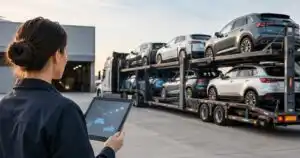
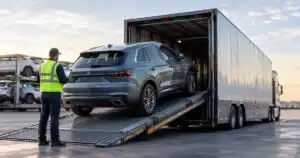
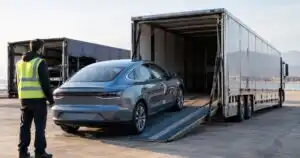
Yes, dealerships can negotiate volume discounts on auto transport, but a larger vehicle count does not automatically qualify a shipment for a lower rate. For your 2026 transport plan, request terms tied to the route, vehicle mix, pickup readiness, and scheduling flexibility; separately confirm handling requirements and charges outside the quoted scope.
- Volume discounts on auto transport for dealerships require negotiated terms, not an assumed percentage off.
- Compare consolidated loads and recurring routes against the same vehicle list and service requirements.
- CHD coordinates dealership auto transport as a brokerage, not a truck-owning carrier.
- Get qualifying conditions, shipment exceptions, and delivery documentation requirements in writing.
Can dealerships get volume discounts on auto transport?
Yes. Ask for a commercial transport proposal based on the work you can actually commit, rather than a discount based only on annual purchase volume. A dealer group moving inventory between repeat locations presents a different assignment from a dealership buying vehicles across unrelated auction locations.
For your dealership auto transport request, distinguish between vehicles ready to move together and vehicles that will become ready separately. That distinction gives the broker something concrete to evaluate.
Use these proposal structures to frame the discussion. They are negotiation options, not published discount programs or promises of savings.
| Proposal structure | Best for | What to request | Limitation to address |
|---|---|---|---|
| Consolidated shipment | Vehicles ready on a compatible route | A grouped proposal using the complete vehicle list | Different release dates or loading needs can prevent grouping |
| Recurring route arrangement | Repeated transfers between known locations | Written terms for the defined route and service scope | New destinations or changed requirements need separate review |
| Shipment-by-shipment quoting | Auction purchases with changing origins | Comparable quotes using consistent shipment details | An annual purchase forecast does not define each transport job |
Do not compare a grouped open-transport proposal against separate enclosed or expedited requests and call the difference a volume discount. The service scope must match before the comparison means anything.
Why this matters for dealership inventory
A transport agreement affects more than the purchasing department. Auction releases, lot staffing, reconditioning appointments, and receiving arrangements all depend on a usable pickup and delivery plan.
A lower quoted amount does not resolve an unreleased vehicle or an inaccessible loading location. Your commercial terms need to explain what happens when the shipment changes, not just what happens when everything matches the original request.
For your 2026 procurement review, keep the proposed commercial terms beside the operating requirements. Approve them together so the inventory team does not inherit restrictions that purchasing never discussed.
Why volume discount eligibility varies
A dealership's total vehicle purchases do not describe the transport assignment. Ask the broker to evaluate these factors against the actual shipment list:
- Route compatibility: Provide pickup and delivery locations for every vehicle. Do not assume vehicles from different auctions belong in the same load.
- Release readiness: Confirm payment, release authorization, keys, and the person authorized to hand over each vehicle.
- Vehicle mix: Identify vehicle dimensions, modifications, operating condition, and handling requirements rather than reporting only a unit count.
- Transport type: Specify open or enclosed transport before requesting commercial terms. Do not leave protection requirements for dispatch to resolve.
- Timing flexibility: Separate preferred dates from firm deadlines. Expedited requests require confirmation rather than an assumed pickup commitment.
- Location access: Disclose gate hours, appointment rules, truck access restrictions, and any proposed alternate meeting location.
Negotiate around a defined shipment pattern. If the pattern changes, ask which commercial terms still apply before authorizing the revised move.
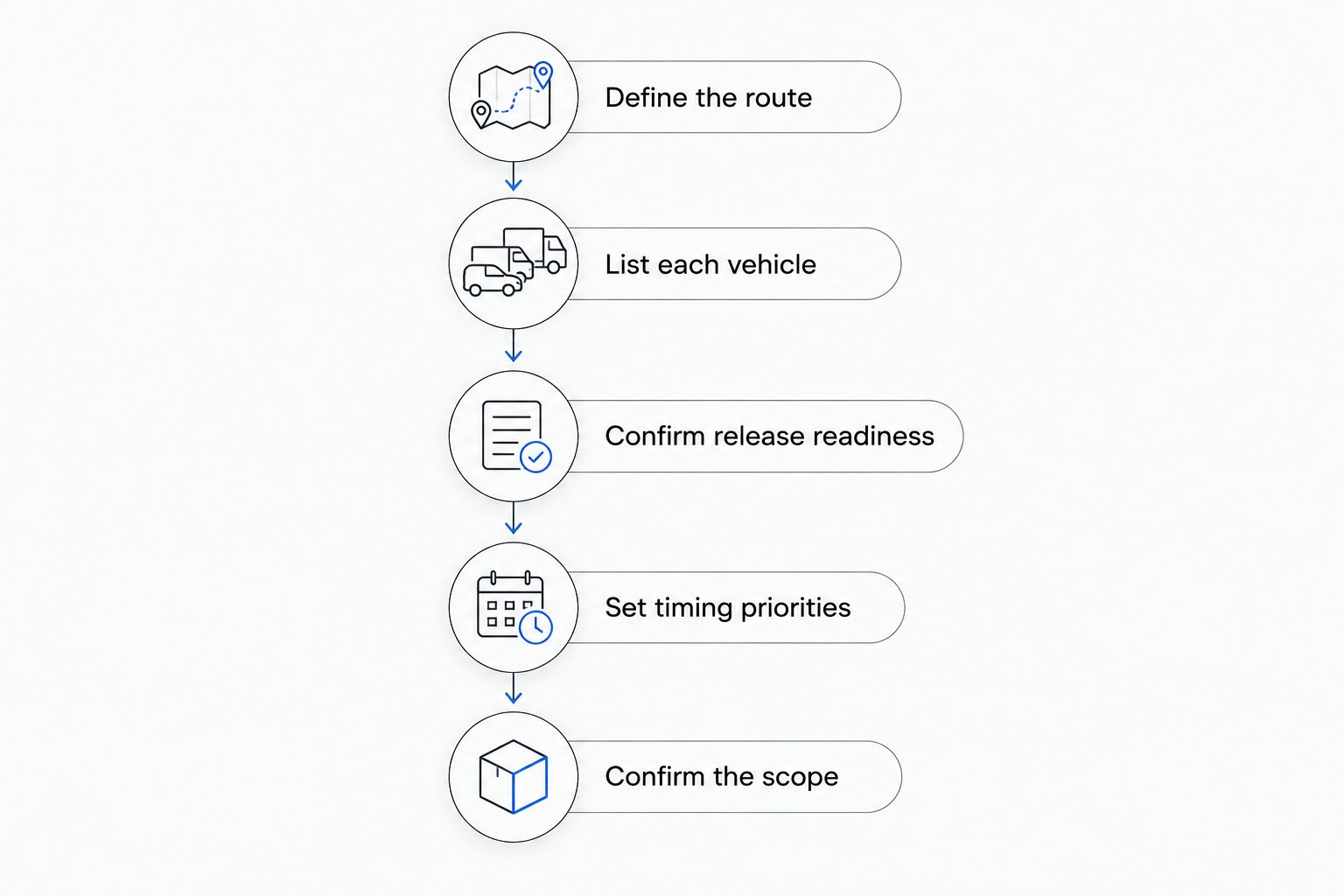
How to request a dealership volume transport proposal
Give each provider the same information. That makes differences in scope visible and keeps the discussion focused on your inventory movement rather than an unsupported discount headline.
Define the route
List the actual pickup and delivery addresses, site contacts, access restrictions, and receiving hours. For dealer groups, distinguish lot-to-lot transfers from auction purchases and deliveries to reconditioning facilities.
Mark repeat routes separately from occasional destinations. A proposal for an established transfer pattern should not silently become the default agreement for every future purchase.
List each vehicle
Provide 1 VIN per vehicle, along with the year, make, model, operating condition, and relevant modifications. Flag missing keys, low clearance, unusual dimensions, or loading concerns before the quote is accepted.
Keep this list current. Substituting a different vehicle after approval changes the information used to plan the shipment and requires confirmation.
Confirm release readiness
Identify which vehicles are released and which are still awaiting paperwork or authorization. Include pickup references and the location's release process without sending unnecessary sensitive account information.
A forecast is useful for planning, but it is not a release instruction. Keep expected purchases separate from vehicles that a carrier can collect.
Set timing priorities
State the earliest release date, acceptable pickup window, delivery restrictions, and any firm business deadline. Explain whether the deadline concerns pickup, arrival, or receiving staff availability.
Ask the broker to confirm the scope of any expedited request. Do not treat an expedited label as a guaranteed collection or delivery appointment.
Confirm the scope
Request the qualifying conditions, exclusions, change process, payment terms, and documentation requirements in writing. Ask who authorizes revised instructions when purchasing, inventory, and the receiving location disagree.
For your 2026 agreement, name the person responsible for updating the vehicle list. A commercial arrangement needs a clear approval path as much as it needs a clear transport scope.
Should you consolidate vehicles into one load?
Ask for a grouped proposal when vehicles have compatible routes, release windows, and handling requirements. Do not assume a dealership's entire purchase list fits a single carrier assignment.
The question can a dealership ship multiple vehicles in one load needs a vehicle-specific answer. The carrier must assess the proposed load; a dealership should not infer capacity from a vehicle count alone.
Consolidation also creates a coordination decision. If a vehicle is not released, ask whether the remaining vehicles should move separately or wait for a revised plan. Make that decision against your inventory priorities rather than holding every unit simply to preserve a proposed grouping.
Request both the grouped plan and the exception process. A useful agreement explains how to proceed when part of the shipment is ready and part is not.
Does open or enclosed transport change the comparison?
Yes. Open and enclosed transport are different service requirements, so request commercial terms within the appropriate category. Expedited handling adds a timing requirement; it does not replace the choice between open and enclosed transport.
| Transport requirement | Best for | Practical advantage | Limitation to address |
|---|---|---|---|
| Open transport | Inventory moves that do not require enclosure | Moves vehicles on an open carrier | Vehicles remain exposed to weather and road conditions |
| Enclosed transport | Vehicles whose handling plan requires enclosure | Adds an enclosed transport environment | Enclosure does not establish insurance coverage or eliminate handling risk |
| Expedited coordination | Shipments with a priority timing need | Makes the timing requirement explicit during coordination | Carrier acceptance and timing must be confirmed |
Choose the required transport type before comparing commercial proposals. A change from enclosed to open service is a scope change, not evidence that a volume negotiation succeeded.
For mixed inventory, identify which vehicles require different handling. Do not apply the same transport instructions to every vehicle merely because they share an origin.
What should the written agreement cover?
Your 2026 dealership transport agreement should make routine moves repeatable without hiding the exceptions. Keep these items visible in the proposal and booking instructions:
- Qualifying work: Define the routes, vehicle requirements, transport type, and commitment covered by the arrangement.
- Changes and exceptions: Explain how substituted vehicles, additional stops, inaccessible locations, or revised timing are reviewed.
- Pickup coordination: Assign 1 primary contact per location, plus a backup contact, so release questions reach an authorized person.
- Status visibility: Confirm who receives updates, which shipment events trigger communication, and how exceptions are escalated.
- Delivery documentation: Require 2 condition records per vehicle: pickup and delivery. Specify who reviews and retains them.
- Insurance verification: Confirm applicable policy limits, exclusions, deductibles, and vehicle eligibility for the assigned shipment.
Do not infer coverage from a general statement that a carrier is insured. Match the insurance review to the vehicle and assignment, and confirm the process for reporting a delivery concern.
Payment and cancellation terms also belong in the written agreement. Make sure the staff placing bookings can see those terms before authorizing a move.
Where does a transport brokerage fit?
Car Haul Direct is a nationwide transport brokerage that coordinates carriers for dealership and other vehicle moves. We help plan pickup, follow shipment status, and manage delivery; we do not present the brokerage as the owner of the transporting trucks.
CHD is best for dealerships seeking a transport brokerage to coordinate recurring vehicle moves. The role fits buyers who need coordination across purchases and transfers, but brokerage service does not itself establish a discount, guarantee carrier acceptance, or resolve every special handling requirement.
When discussing CHD dealership auto transport, bring the route list, vehicle details, readiness information, and timing priorities. We can discuss the proposed coordination scope without treating an annual purchasing forecast as a confirmed transport schedule.
Discuss recurring vehicle moves
Bring your routes, vehicle list, release dates, and handling requirements to the discussion.
Do dealerships need a minimum number of vehicles to ask?
There is no universal minimum you should assume. Ask the provider to state its qualifying conditions and whether they apply to a grouped shipment, recurring route, or broader commercial agreement.
A smaller, clearly defined recurring assignment still deserves a specific proposal. Do not substitute an invented industry threshold for the provider's written terms.
Can a dealer group combine purchases across locations?
A dealer group can request an account-level proposal, but common ownership does not make separate routes a single shipment. Identify the booking authority, participating locations, billing requirements, and route-specific exceptions.
Keep each location's operating instructions visible. Centralized purchasing should not erase differences in release procedures or receiving hours.
Should you wait for more vehicles before booking transport?
Do not delay a ready vehicle solely because a volume discount has been discussed. Ask for the proposed grouped plan, its conditions, and the alternative plan for moving ready inventory separately.
Then decide against your actual deadline. A possible commercial concession is not a confirmed pickup arrangement.
FAQ
Can dealerships get volume discounts on auto transport in 2026?
Yes, dealerships can negotiate volume discounts on auto transport, but eligibility and terms require confirmation. Request a proposal based on actual routes, vehicle details, release readiness, and service requirements.
Does buying more vehicles automatically lower the transport rate?
No, a larger purchase count does not automatically establish a lower transport rate. Ask which shipment conditions qualify for the proposed commercial terms.
Can I combine vehicles from different auctions?
You can request a combined transport plan, but different pickup locations, release dates, and handling requirements need evaluation. Confirm the proposed routing before treating the vehicles as a grouped shipment.
Is open transport always the right choice for dealer inventory?
No, transport type should follow the vehicle’s handling requirements. Open transport leaves vehicles exposed to weather and road conditions; enclosed transport provides an enclosed environment but does not establish insurance coverage.
Does a recurring agreement guarantee expedited pickup?
No, a recurring agreement does not by itself guarantee expedited pickup. Confirm carrier acceptance and the specific timing scope for each priority request.
What should I send CHD for a dealership transport discussion?
Send CHD the pickup and delivery locations, vehicle list, operating conditions, release status, and timing needs. Include site contacts and any access or handling restrictions so the coordination requirements are clear.
One last thing
Negotiate the exception process as carefully as the qualifying terms. Your 2026 agreement should answer a practical question before the first booking: who decides what happens when a vehicle, release date, or receiving location changes?
Put that decision-maker in the shipment instructions. A written escalation path gives purchasing, the lot, and the transport coordinator the same next move when the original plan no longer applies.
Related guides
- Auto transport for independent dealers
- How long does auction car transport take?
- Is expedited vehicle pickup worth it for dealerships?