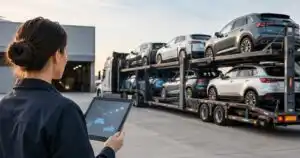
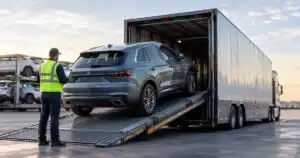
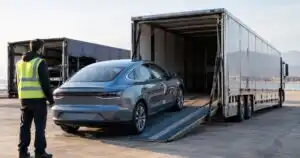
Bulk transport for a dealership group in 2026 requires a shipment-specific quote based on the route, vehicle mix, transport type, pickup readiness, and delivery requirements. Compare the total quoted scope, not just an advertised per-vehicle rate. Ask whether waiting, additional stops, special loading, or changes after booking require separate approval and charges.
- For bulk vehicle transport cost, dealership group buyers should compare identical routes, vehicle lists, timing, and handling requirements.
- CHD is best for dealership groups that need a brokerage to coordinate recurring vehicle moves.
- Open transport suits routine inventory; enclosed transport addresses additional protection requirements without replacing condition documentation.
- Bulk volume alone does not establish a discount or guarantee that every vehicle travels together.
How much does bulk transport cost for a dealership group in 2026?
Your dealership group's bulk transport cost is the quoted amount for a defined movement plan—not a universal fleet rate. A useful quote identifies what moves, between which locations, under what timing assumptions, and with which handling requirements.
Car Haul Direct is a transport brokerage coordinating carriers, rather than an operator claiming ownership of the trucks. Its auto transport for dealerships guide provides related context for dealer trades, auction purchases, and recurring inventory moves.
Use this breakdown to check what a proposal actually covers:
| Quote component | What you need to establish | What to confirm in writing |
|---|---|---|
| Vehicle movement | Origin, destination, and vehicle list | Which vehicles and locations the quote includes |
| Transport arrangement | Open or enclosed transport | Required equipment and handling scope |
| Pickup and delivery | Ready dates, receiving hours, and access | Scheduling assumptions and location restrictions |
| Loading requirements | Running condition, keys, clearance, and modifications | Whether special equipment or handling is included |
| Shipment changes | Added vehicles, revised stops, or changed dates | How changes receive approval and affect the quote |
| Exceptions | Waiting, failed access, or an unreleased vehicle | Applicable terms and who authorizes additional work |
Do not compare totals until the shipment scope matches. A proposal covering one pickup location is not directly comparable with a proposal covering separate auctions and several receiving stores.
Why this matters
A dealership group buys an inventory movement plan, not just truck space. Your purchasing team, auction contact, dispatch coordinator, and receiving store each control information the carrier needs.
A low headline rate does not resolve an unreleased purchase, a missing key, or a receiving location that cannot accept the truck. Include those operational requirements in your request before comparing proposals.
For your 2026 transport budget, separate planned movements from exceptions. That distinction lets you track what the original scope covered and what changed after approval without treating every invoice difference as a rate increase.
Open transport: best for routine inventory moves
Open transport is the starting point to evaluate for routine dealership inventory. Vehicles travel on an open carrier, exposed to weather and road conditions rather than inside an enclosed trailer.
The practical advantage is matching ordinary inventory requirements to an open transport arrangement. The limitation is exposure: open transport does not provide the physical enclosure some collector, exotic, or specially finished vehicles require.
Provide the actual vehicle mix, not simply a vehicle count. A list of compact cars and a list of larger pickups represent different loading requirements. Disclose modifications, unusual dimensions, and clearance concerns before the carrier arrangement is confirmed.
Do not treat open transport as a promise that every vehicle in your request will travel on the same truck. The final loading plan must fit the equipment, route, vehicle characteristics, and readiness of the shipment.
Enclosed transport: best for additional protection requirements
Evaluate enclosed transport when the vehicle's handling and protection requirements justify an enclosed trailer. The enclosure separates vehicles from direct weather exposure and road debris during transit; it does not eliminate the need for careful loading and inspection.
The trade-off is a different equipment requirement. Ask for a separate proposal rather than applying an assumed percentage increase to an open transport quote.
For mixed dealership inventory, identify which vehicles actually require enclosed transport. Request distinct scopes for those vehicles and the routine inventory instead of treating the entire group as one handling category.
Check loading clearance, vehicle eligibility, and the applicable carrier insurance terms. Enclosed transport is not a substitute for verifying policy limits, exclusions, deductibles, or condition documentation.
Expedited transport: best for a documented timing requirement
Evaluate expedited transport when a specific business deadline drives the request. State whether the priority is earlier pickup, arrival before a receiving deadline, or both; those are different scheduling requirements.
Expedited availability requires confirmation. A request marked urgent does not establish an available carrier, a guaranteed pickup, or a guaranteed delivery time.
Separate time-sensitive vehicles from inventory that can follow the regular plan. Ask the coordinator to explain the proposed arrangement, its timing assumptions, and what remains an estimate before you approve it.
For 2026 planning, keep expedited requests identifiable in your records. That gives your purchasing and transport teams a clear distinction between routine inventory movement and deadline-driven exceptions.
Which transport arrangement fits your inventory?
Use this comparison to define the request before asking providers to quote it. These options describe different shipment requirements, not interchangeable service promises.
| Arrangement | Best for | Main advantage | Main limitation |
|---|---|---|---|
| Open transport | Routine dealer inventory | Matches standard inventory movement needs | Vehicles remain exposed to weather and road conditions |
| Enclosed transport | Vehicles requiring additional physical protection | Provides an enclosed transit environment | Requires a separate equipment and handling assessment |
| Expedited coordination | Vehicles with a stated timing priority | Focuses the request on the required deadline | Availability and timing need explicit confirmation |
| Recurring movement plan | Repeated dealer trades and inventory transfers | Establishes repeatable coordination requirements | Changing vehicle lists and locations still need review |
CHD coordinates open, enclosed, expedited, and recurring commercial vehicle moves. The brokerage model gives your group a coordination contact; it does not remove the need to confirm carrier arrangements and shipment-specific terms.
Why bulk vehicle transport cost varies
These factors define the work being quoted. Document them consistently across every provider's proposal.
- Route and stops: Supply exact pickup and delivery locations. Identify separate auctions, stores, storage yards, and reconditioning centers rather than describing only the general market.
- Vehicle mix: Provide the VIN list, vehicle types, modifications, and relevant dimensions. Loading requirements depend on the actual inventory, not just the number of units.
- Operating condition: Disclose whether each vehicle starts, rolls, steers, and brakes. Identify missing keys or other conditions that affect loading.
- Transport and handling: Specify open or enclosed requirements and any special loading restrictions. Keep vehicle-specific instructions attached to the relevant VIN.
- Readiness and timing: Distinguish a requested date from a confirmed release. Include gate hours, receiving hours, appointment requirements, and deadline priorities.
- Access and exceptions: Confirm truck access, authorized contacts, and the process for changes. Ask how waiting, unsuccessful pickup attempts, or revised stops are handled under the proposed terms.
Do not assume volume cancels out complexity. A larger request still needs a workable route, released vehicles, suitable equipment, and receiving locations prepared to accept delivery.
How do you request a comparable bulk transport quote?
Use the same request format across your dealership group. A consistent packet makes differences in scope easier to identify before approval.
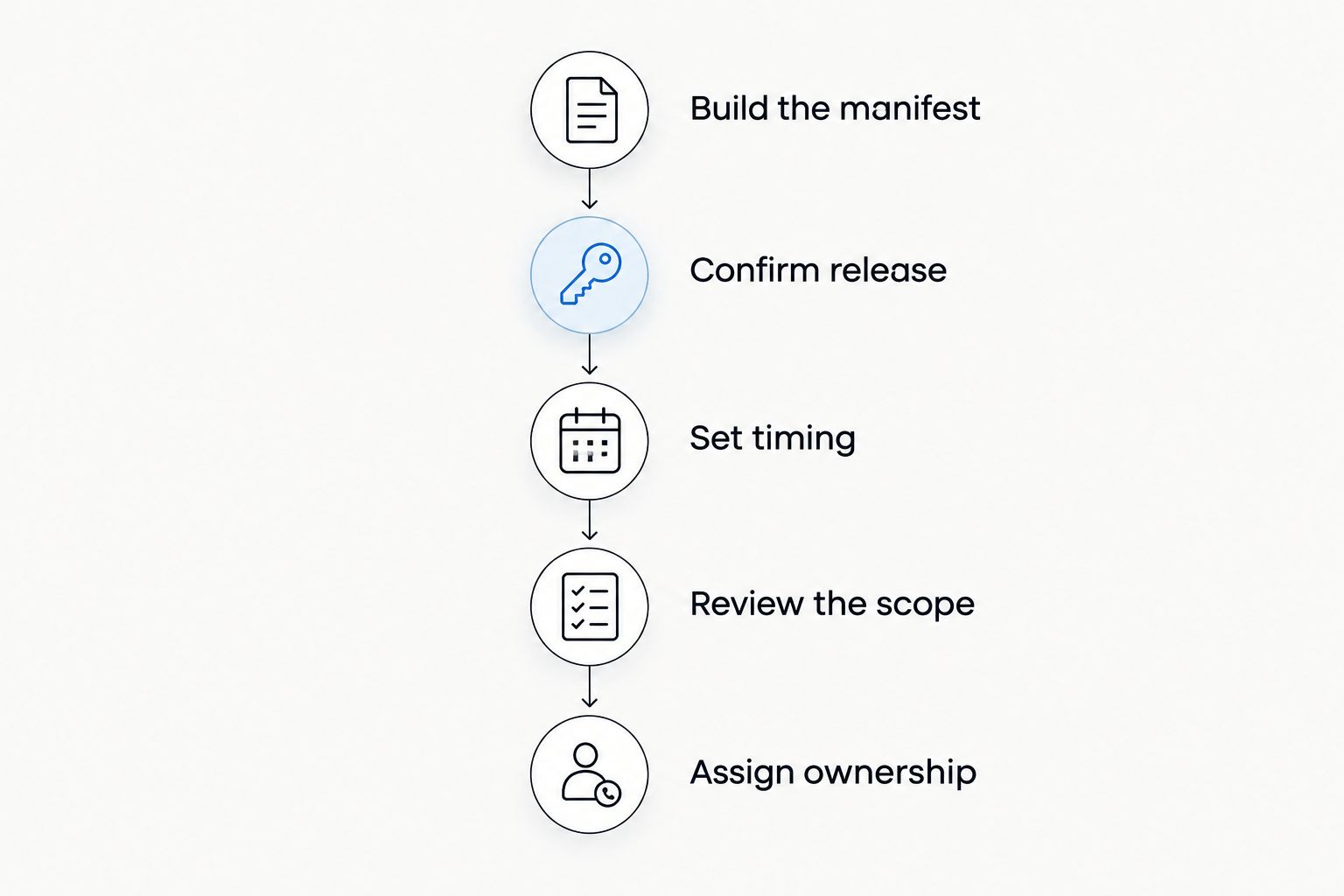
- Build the manifest. List every VIN, vehicle type, operating condition, pickup location, and destination. Flag special handling beside the affected vehicle rather than burying it in an email thread.
- Confirm release. Establish that the pickup location can release each vehicle. Provide the required authorization, contact information, and pickup instructions through the agreed process.
- Set timing. Separate ready dates, preferred dates, and firm business deadlines. Include both pickup and receiving hours so the coordinator can assess the complete movement.
- Review the scope. Ask what the quote includes, what remains estimated, and what events require a revised quote. Establish who at your group can approve changes.
- Assign ownership. Name the dispatch contact and receiving contact. Agree on shipment-status communication and the delivery documents your accounting and inventory teams need.
The sequence matters: a vehicle list does not establish release, and a release does not establish a confirmed pickup. Keep those milestones distinct in your internal records.
Does shipping more vehicles automatically reduce the cost per vehicle?
More vehicles do not automatically establish a lower per-vehicle cost. Ask for the proposed load arrangement and written quote rather than assuming that group volume guarantees a discount.
Vehicles sharing compatible locations, readiness, and handling requirements present a different coordination task from vehicles spread across unrelated pickups. Compare those movement plans separately.
If consolidation is your goal, review whether a dealership can ship multiple vehicles in one load. Then ask the coordinator to confirm what the actual vehicle mix and route permit.
Should you compare a total quote or a per-vehicle quote?
Compare the total scope first, then use the per-vehicle amount for internal allocation. Confirm that every proposal includes the same vehicles, stops, transport type, and scheduling assumptions before judging the difference.
Should every store arrange its own transport?
Use central coordination when your group needs shared approval rules, shipment visibility, and consistent documentation. Keep local pickup and receiving contacts involved because they control vehicle release, access, and acceptance at each location.
What should your group track after delivery?
Keep the approved quote, final manifest, change approvals, and delivery documentation together. Match each movement to the relevant VINs and store allocation so accounting can reconcile the invoice against the agreed scope.
Record exceptions in plain language: vehicle not released, pickup instructions changed, receiving location revised, or additional handling authorized. Do not collapse every exception into a generic transport adjustment.
For your 2026 review, compare recurring lanes against their own prior movement requirements. A shipment with changed stops or handling is not the same scope simply because the origin and destination cities match.
Discuss recurring vehicle moves
Send CHD the route list, vehicle manifest, transport preferences, readiness details, and receiving requirements. Ask for the proposed scope and identify which movements repeat, which are exceptions, and which have timing priorities.
CHD helps coordinate pickup, shipment-status communication, and delivery with carriers. Confirm the process for your account rather than assuming every shipment uses the same reporting or scheduling arrangement.
Discuss recurring vehicle moves
Provide your routes, vehicle list, timing needs, and pickup and delivery requirements.
FAQ
How much does bulk vehicle transport cost for a dealership group in 2026?
Bulk vehicle transport requires a shipment-specific quote covering the route, vehicle mix, transport type, timing, and handling requirements. Compare proposals only after confirming that their included scope matches.
Is there a standard bulk shipping discount for dealerships?
Do not assume a standard bulk shipping discount. Ask for the quoted arrangement and confirm whether the vehicle list, locations, and readiness support the proposed movement plan.
Can a dealership group ship running and non-running vehicles together?
Ask the coordinator to confirm whether the proposed equipment and loading plan can accommodate the actual vehicle mix. Identify each vehicle’s starting, rolling, steering, and braking condition before the arrangement is approved.
Is enclosed transport necessary for every dealership vehicle?
Enclosed transport is not a blanket requirement for all dealership inventory. Choose it based on the vehicle’s protection and handling requirements, and verify the applicable carrier insurance terms separately.
Does expedited transport guarantee pickup by a deadline?
An expedited request alone does not guarantee pickup by a deadline. Confirm availability, the proposed schedule, and any written commitment before relying on it for a business deadline.
What should a dealer group send with a transport quote request?
Send the vehicle manifest, exact locations, operating conditions, ready dates, transport preferences, and pickup and receiving instructions. Include authorized contacts and identify who can approve changes.
Does a transport brokerage own the trucks carrying the vehicles?
A brokerage coordinates transport with carriers; do not assume it owns the trucks. Confirm the assigned carrier arrangement and the shipment-specific terms before pickup.
One last thing
A vehicle marked purchased is not necessarily ready for pickup. Before requesting dispatch, have the pickup contact confirm release, keys, access instructions, and the vehicle's condition.
Make that readiness check part of your 2026 purchasing handoff. It gives the transport coordinator actionable instructions instead of a purchase record that still needs operational follow-up.
Related guides
- How long does auction car transport take?
- Is expedited vehicle pickup worth it for dealerships?
- How to connect Dealertrack data to vehicle transport