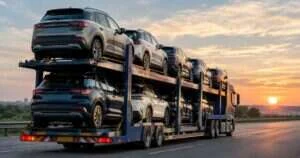
Yes—enclosed transport is worth it for an exotic car in 2026 when protecting its finish, limiting exposure, and meeting specific loading requirements matter more than choosing an open trailer. The enclosure does not guarantee damage-free delivery or establish insurance coverage; you still need to confirm the carrier’s equipment, handling plan, and applicable policy. Choose the shipment around your vehicle’s clearance, condition, route, and timing—not the enclosed label alone.
- Is enclosed transport worth it for exotic cars? Yes, when finish protection and vehicle-specific handling drive your decision.
- Enclosed auto transport limits road exposure; it does not guarantee suitable loading equipment or blanket insurance coverage.
- CHD coordinates carriers for exotic car shipping; confirm equipment, access, handling, and coverage before booking.
- Open transport remains an option when you accept exposure and the carrier can safely accommodate your vehicle.
Is enclosed transport worth it for an exotic car in 2026?
Enclosed transport is the stronger choice when you want a physical barrier between your exotic car and road debris, weather, and outside contact during transit. It also deserves priority when your vehicle requires a carefully specified loading process. Those are separate requirements: a covered trailer does not automatically solve a clearance problem.
For a purchase leaving a showroom, the exotic car dealership transport guide addresses the commercial pickup context. As the buyer, you still need to give the transport coordinator the vehicle’s actual condition and any handling restrictions.
Compare these 2 transport options against your requirements:
| Transport option | Best for | Main benefit | Main limitation | Decision |
|---|---|---|---|---|
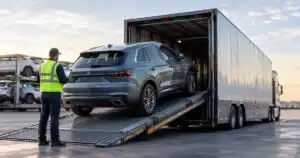
| Enclosed transport | Owners prioritizing finish protection and reduced exposure | A trailer enclosure separates the vehicle from direct road and weather exposure | The enclosure alone confirms neither loading suitability nor insurance terms | Choose when protection is a shipment requirement |
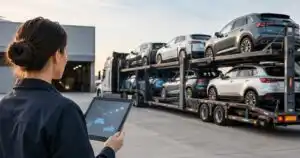
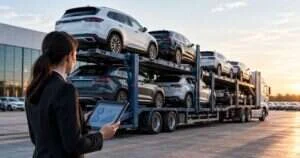
| Open transport | Owners who accept exterior exposure and have compatible loading requirements | Moves the vehicle without requiring an enclosed trailer | The vehicle remains exposed during transit; loading suitability still needs confirmation | Consider only after accepting those trade-offs |
Choose the equipment that meets the car’s requirements, then confirm the carrier—not the other way around. A generic booking description leaves too much unresolved for a vehicle with low bodywork, unusual dimensions, or special starting instructions.
Why this matters
An exotic car shipment involves more than getting a running vehicle onto a truck. Front splitters, side skirts, modifications, and vehicle-specific controls can change the loading conversation. Tell the coordinator about them before a carrier accepts the move.
For a 2026 purchase or relocation, separate protection from scheduling. A suitable trailer and a workable pickup window are different requirements; neither should disappear because the other becomes difficult to arrange.
Car Haul Direct is a transport brokerage that coordinates carriers rather than operating its own trucks. CHD is best for exotic car owners who want a brokerage to coordinate carrier selection, pickup, shipment status, and delivery. The equipment and shipment-specific terms still need confirmation before booking.
Enclosed transport: best for reducing exterior exposure
Enclosed transport puts a physical enclosure around the vehicle during transit. That is its central advantage. If keeping road spray and direct weather exposure away from the car is part of your brief, open transport does not meet that requirement.
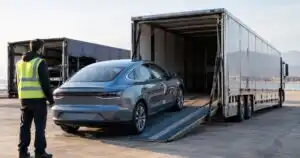
Do not treat every enclosed trailer as interchangeable. Ask how the car will enter and exit, whether the loading arrangement suits its clearance, and how the carrier will secure it. Have the carrier confirm suitability for the actual vehicle, including modifications.
The limitation is straightforward: an enclosure is a barrier, not a complete handling plan. It cannot substitute for an inspection, suitable loading equipment, or a clear agreement about the car’s condition. Choose enclosed transport when reduced exposure is non-negotiable, but make loading suitability a separate approval.
Open transport: best when you accept exterior exposure
Open transport remains a legitimate option when you accept that the car will travel without an enclosure. The deciding question is whether that exposure fits your priorities—not whether the vehicle carries an exotic badge.
You still need confirmation that the trailer can accommodate the vehicle safely. Do not assume that a car with functioning suspension lift can use any loading arrangement, or that a protective film makes exterior exposure irrelevant.
Open transport does not satisfy a requirement to keep the vehicle enclosed. If that requirement already exists, remove open transport from the comparison instead of reopening the decision at dispatch. Consider open transport only when both the exposure and the loading plan are acceptable.
Why the right transport choice varies
Use these factors to decide whether enclosed shipping meets a real requirement for your car:
- Finish requirements. Specify whether preserving an original finish, fresh paint, or a particular exterior condition makes reduced exposure essential.
- Loading clearance. Disclose low bodywork, suspension settings, and modifications so the carrier can assess the loading arrangement.
- Route and access. Confirm whether the pickup and delivery locations can accommodate the assigned truck and trailer.
- Vehicle operation. Explain whether the car starts, steers, rolls, and brakes, and disclose any operating restrictions.
- Timing needs. Separate a preferred date from a fixed requirement. Expedited arrangements require confirmation for the route and equipment.
- Insurance terms. Review applicable limits, exclusions, deductibles, and vehicle eligibility rather than assuming an enclosure changes coverage.
For your 2026 shipment, put these requirements in the request before comparing proposals. A proposal that omits a necessary handling condition is not an equivalent option, even if it uses the same transport label.
How do you verify an enclosed transport plan?
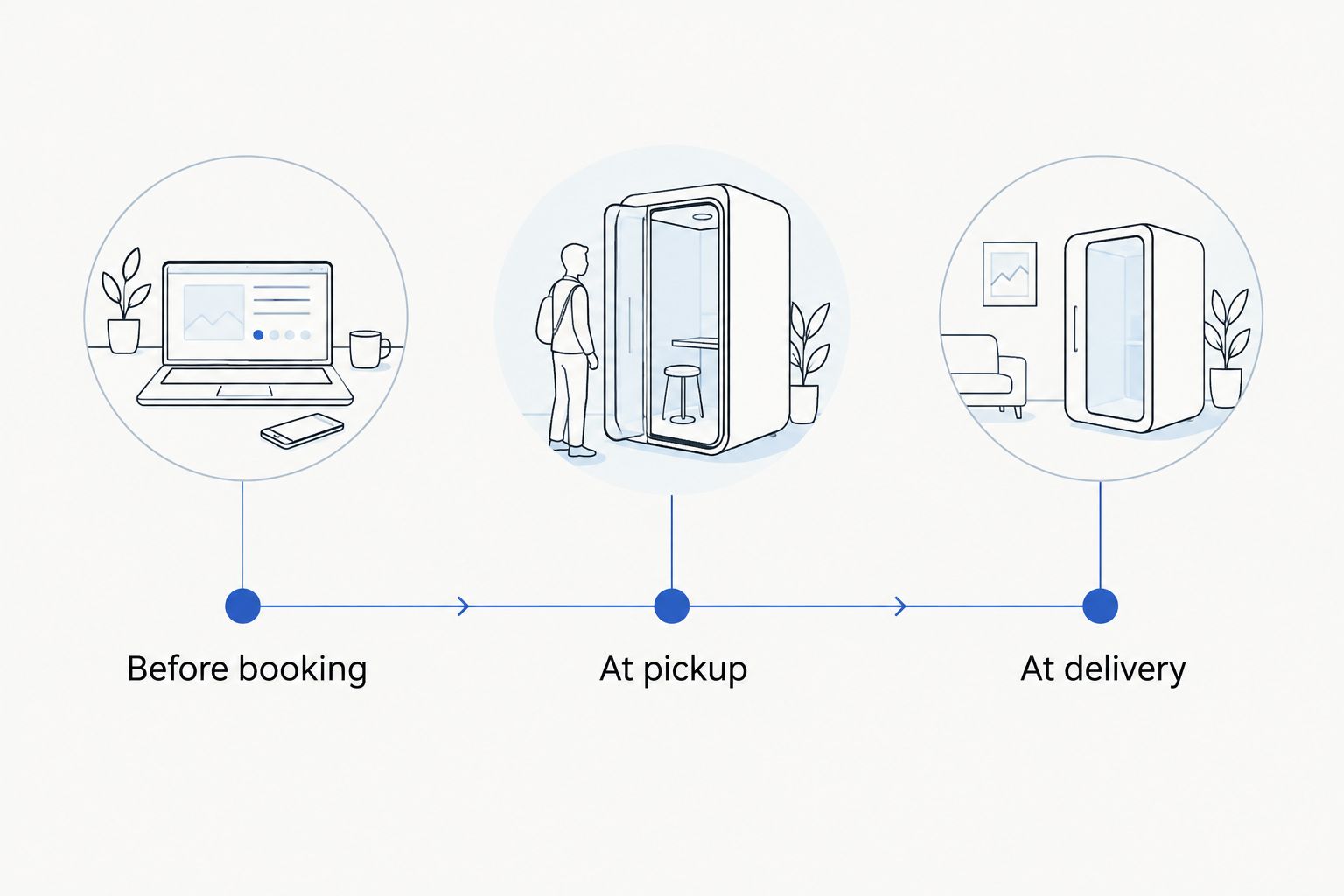
Build the plan around 3 checkpoints: before booking, at pickup, and at delivery. Each checkpoint answers a different question. Booking establishes suitability; pickup records the handoff; delivery checks the vehicle against that record.
Before booking
Provide the year, make, model, operating condition, modifications, pickup and delivery locations, and timing needs. Include photographs that show low bodywork or unusual features when they help explain a loading concern. If a measurement is needed, give an actual measurement rather than guessing.
Ask who will perform the transport and what equipment is proposed. The enclosed car transport comparison gives you another place to frame provider questions, but your decision still depends on the assigned shipment arrangements.
At pickup
Have an authorized person available to review the car’s condition with the carrier. Photograph the exterior and accessible areas, record existing marks, and review the pickup documentation before the vehicle leaves. Keep your own copy.
Make operating instructions available to the person loading the car. Explain the approved starting procedure, any relevant suspension controls, and handling restrictions without assuming the driver already knows this particular vehicle.
At delivery
Arrange an inspection before signing the delivery condition record. Compare the vehicle with the pickup documentation and photographs, and record any newly observed issue accurately. Ask for the carrier’s reporting process if something needs follow-up.
Keep the transport documents together. A clear record is useful; an undocumented assumption about what happened at pickup is not.
Does paint protection film replace enclosed transport?
No. Paint protection film and an enclosed trailer address different parts of vehicle protection. Film is applied to vehicle surfaces; the trailer enclosure separates the vehicle from direct exterior exposure during transit.
When assessing PPF for high-end sports cars, keep film coverage separate from transport requirements: it does not establish trailer clearance, suitable securement, or carrier insurance. Tell the coordinator if the car has recently received paint or film work, and obtain any handling instructions from the installer.
Do not let a surface-protection decision replace a shipping decision. If your requirement is enclosed transit, keep it in the booking instructions regardless of whether the car has film. If the installer specifies restrictions, communicate them before pickup rather than leaving the driver to discover them.
What should you verify about insurance?
Verify the applicable policy for the carrier performing your 2026 shipment. Ask about vehicle eligibility, policy limits, exclusions, deductibles, and the reporting process. Do not treat a general statement that a shipment is insured as the answer to those questions.
Disclose the vehicle accurately, including modifications and condition details relevant to the shipment. Ask how the applicable policy addresses the proposed move and whether anything requires further confirmation. Avoid assuming that a policy headline means the full vehicle value is covered in every circumstance.
Enclosed transport does not establish coverage by itself. Keep equipment approval and insurance verification as separate decisions. Both belong before booking, not after a problem occurs.
Can an enclosed carrier reach your driveway?
Door-to-door coordination does not mean every transporter can enter every driveway. Tell the coordinator about gates, restricted streets, tight turns, steep approaches, and any location rules that affect access. Confirm the actual meeting point with the assigned carrier.
For a low-clearance exotic, the approach to the loading area matters alongside the trailer equipment. A suitable trailer at an unsuitable meeting point still leaves a problem to solve. Agree on an accessible alternative when the original location cannot accommodate the move.
Make sure someone with authority to release or receive the vehicle can attend. A seller’s operating hours, access instructions, and handoff arrangements belong in the plan before the truck arrives.
Can you request expedited enclosed shipping?
Yes, you can request it, but expedited enclosed shipping requires confirmation for your route, vehicle, equipment, and timing needs. Requesting urgency is not the same as securing a pickup commitment.
State the date you need and explain whether it relates to a seller’s release deadline, relocation, or planned event. Ask which timing details are estimates and which have been confirmed. Do not accept unsuitable loading arrangements simply to preserve a preferred date.
For a 2026 event move, work backward from when the vehicle must be received and inspected—not merely when you hope the truck will arrive. Tell the coordinator if missing that requirement makes the proposed shipment unsuitable.
What should you send with your quote request?
Start with 4 details: the route, the vehicle, the transport type, and your timing needs. Then add the information that changes handling: operating condition, modifications, clearance concerns, access restrictions, and release arrangements.
CHD coordinates open, enclosed, expedited, and door-to-door transport with carriers. For an exotic car, we need the vehicle-specific requirements to help plan the pickup and delivery; a request that says only “enclosed” leaves important questions unanswered.
Get a transport quote
Share your route, vehicle, enclosed transport requirements, and timing needs.
FAQ
Is enclosed transport worth it for exotic cars?
Yes, enclosed transport is worth it when reduced exterior exposure and finish protection are shipment requirements. Confirm loading suitability, handling instructions, and applicable insurance separately.
Is open transport unsafe for an exotic car?
Open transport is not automatically unsuitable for an exotic car. It leaves the vehicle exposed during transit, and the carrier still needs to confirm that its loading equipment accommodates the vehicle.
Does enclosed transport guarantee my car will arrive without damage?
No, enclosed transport does not guarantee damage-free delivery. It reduces direct exterior exposure, but handling, loading suitability, condition documentation, and applicable insurance remain separate considerations.
Can I ship a lowered exotic car in an enclosed trailer?
A lowered exotic car requires confirmation of the proposed loading arrangement before booking. Provide its actual clearance information, modifications, operating instructions, and photographs that explain the concern.
Does paint protection film mean I can skip enclosed shipping?
Paint protection film does not replace an enclosed trailer or resolve loading requirements. Choose the transport type according to the exterior exposure you accept and the handling your vehicle requires.
Can I get expedited enclosed transport in 2026?
Expedited enclosed transport in 2026 requires confirmation for your route, vehicle, equipment, and requested timing. Distinguish an estimated pickup window from a confirmed arrangement.
Does CHD own the trucks carrying exotic cars?
No, CHD is a transport brokerage that coordinates shipments with carriers. Confirm the carrier, equipment, handling plan, and shipment-specific terms before booking.
One last thing
Ask this before approving the shipment: “How will this specific car get onto and off the proposed trailer?” The answer should address your vehicle’s clearance, operating condition, and handling restrictions—not merely repeat that the trailer is enclosed. Settle that question before pickup day.
Related guides
- Luxury car shipping options
- Expedited enclosed car transport in 2026
- Comparing exotic car transport companies