EV Enclosed Shipping for Electric and Hybrid Vehicles
Your electric or hybrid vehicle rides inside a fully enclosed trailer, so weather, road salt, and debris never touch the paint, glass, or battery pack on a long haul.
- Fully enclosed trailer shields the battery pack, paint, and glass from weather and road debris
- Most carriers ask for a 30 to 50 percent battery charge at pickup
- $2M cargo insurance covers every enclosed load
EV enclosed shipping puts your electric or hybrid vehicle inside a fully enclosed trailer, so weather, road salt, and debris never touch the paint, glass, or battery pack on a long haul. Car Haul Direct arranges door-to-door enclosed transport for high-value EVs across all 48 contiguous states, typically at 40 to 60 percent above the open rate for the same lane.
Reviewed by Mike Fergusson, EVP Operations, Car Haul Direct
Why trust CHD with your EV?
One EV-specific step, and the rest is standard enclosed handling.
FMCSA-Licensed Broker
CHD is a licensed auto transport broker, USDOT 4321158.
$2M Cargo Coverage
Every load moves under $2M in coverage.
48-State Coverage
Door-to-door enclosed service in all 48 contiguous states.
Fast Pickup Windows
Pickup typically within 1-3 days of booking in metro areas.
Door-to-Door Only
The carrier meets you at your address, never a terminal.
One Point of Contact
One broker contact from quote to delivery.
Charged, Covered, Documented
The figures that govern a CHD enclosed EV move.
30-50
Percent Charge at Pickup
What most carriers ask for: enough to drive on and off the trailer without straining the pack.
$2M
Cargo Insurance Coverage
On every enclosed load, with carrier insurance details before pickup.
40-60
Percent Enclosed Premium
The typical enclosed uplift over the open rate on the same lane.
1-3
Day Pickup Window
Typical metro pickup after booking; thinner enclosed capacity can stretch it.
EV enclosed shipping: quick answers
Cost, open against enclosed, and the charge target.
How much does EV enclosed shipping cost?
EV enclosed shipping typically runs 40 to 60 percent above the open rate for the same lane. Your exact price depends on distance, vehicle size, and timing. EVs often weigh more than comparable gas cars, per manufacturer specs, and carriers may factor that into price. The instant quote calculator gives you a current number.
Should I ship my EV enclosed or open?
Choose enclosed for high-value, new, or low-clearance EVs where paint, glass, and battery protection justify the premium. Open transport works fine for a daily-driver EV on a shorter lane. If arrival condition would hurt, enclosed is the right call. The premium buys out every mile of exposure.
How much charge should my EV have before shipping?
Most carriers want the battery at 30 to 50 percent charge at pickup, enough to drive on and off the trailer without strain on the pack. There is no charging in transit, so avoid shipping nearly full or nearly empty. Plan to charge soon after delivery.
Who books EV enclosed shipping?
Tesla Owners
A new Model S or Model X deserves a covered ride, not days of open-deck grime.
High-Value EV Buyers
Six-figure electric vehicles, limited trims, and first-edition models ship enclosed as the default.
Online EV Purchases
Sight-unseen purchase from an out-of-state seller? Enclosed plus the pickup photo inspection protects a car you have never touched.
Hybrid and Plug-In Owners
Hybrids follow the same enclosed process; plug-ins follow the same charge guidance.
Low-Clearance EVs
Many enclosed carriers offer lift-gate loading for low-slung electric vehicles; ask when you book.
How CHD handles your EV
Six services, with one battery step that is genuinely EV-specific.
Enclosed Transport
A fully enclosed trailer, door to door, for your EV or hybrid, typically 40 to 60 percent above the open rate.
Open Transport
The budget option for an everyday EV on a routine lane. Same door-to-door handling, same $2M coverage, lower price.
Door-to-Door Pickup
Pickup at your home, office, or the seller address; you never drive to a terminal.
Expedited Service
On a tight deadline, expedited pickup shortens the carrier assignment wait. Ask when you book.
Cargo Insurance
Every load moves under $2M cargo coverage, with carrier insurance details before pickup.
Shipment Tracking
Status updates from dispatch through delivery across all 48 states.
How EV enclosed shipping works: 5 steps
Five steps, with the battery set before the driver arrives.
1. Get Your Instant Quote
Enter your lane and EV model in the calculator. The vehicle model helps the carrier plan for weight and clearance.
2. Book and Prep the Battery
Set the charge to 30 to 50 percent, disable sentry mode and alarms, and remove or secure the charging cable.
3. Enclosed Pickup at Your Door
Pickup typically runs within 1-3 days of booking in metro areas. You and the driver photograph the car and sign the Bill of Lading.
4. Enclosed Transit
Your EV rides inside the trailer the whole way; there is no charging in transit.
5. Delivery and Walk-Around
You inspect the vehicle against the pickup report before signing. In cold weather, expect reduced displayed range at delivery until the battery warms up.
EV enclosed shipping FAQ
EV cost, Teslas, charging in transit, trailers, hybrids, transit, and prep.
Not because it is enclosed; the premium over open is the same for any vehicle. Where EVs can differ is weight: EVs often weigh more than comparable gas cars, per manufacturer specs, and some carriers factor weight into pricing. The quote calculator reflects your vehicle.
For a new, high-trim, or freshly detailed Tesla, yes. Enclosed keeps salt, gravel, and weather off paint and glass for the whole trip, and enclosed carriers commonly offer lift-gate loading for low-clearance models. For an older daily driver on a short lane, open skips the premium.
No. Trailers carry no charging equipment, so the car arrives at the charge level set at pickup, minus idle drain. Set 30 to 50 percent before pickup and plan a charging stop near delivery if the car sat for days.
No; a standard enclosed trailer handles an EV. Many enclosed carriers use lift gates for low-clearance vehicles and follow EV-specific loading steps. Tell dispatch your exact model so the right equipment gets assigned. The charge guidance is the only EV-specific step most carriers ask for.
Yes. Hybrids and plug-in hybrids ship like any other vehicle, open or enclosed, and plug-ins follow the same 30 to 50 percent charge guidance. Enclosed makes sense when the hybrid is new, high-value, or traveling a long weather-exposed lane. Book it the same way as any other enclosed load.
Transit follows the same bands as any enclosed load: under 500 miles runs 1-3 days, 500-1,000 miles runs 2-4 days, and lanes over 2,500 miles run 7-10 days. Fewer enclosed rigs run some lanes, so pickup can stretch past the typical 1-3 day window.
Set the battery to 30 to 50 percent, disable sentry mode and alarms, and wash the car so inspection photos are accurate. Photograph all sides, wheels, and glass. Remove or secure charging cables; most carriers allow around 100 lbs of personal items in the trunk.
Latest Car Shipping Guides
Straight answers on cost, timing, and prep for every shipment.
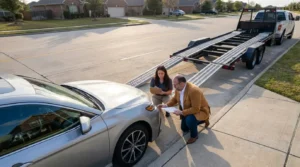
Vehicle Inspection at Pickup and Delivery in 2026: How to Document Condition and Avoid Disputes
Learn vehicle inspection at pickup and delivery best practices, bill of lading vehicle inspection steps, and how to document condition to avoid disputes.

Car Shipping Preparation Checklist: 15 Steps to Get Your Vehicle Ready for Transport
Use this car shipping preparation checklist with 15 steps to prepare car for shipping, avoid delays, and complete your vehicle shipping checklist.
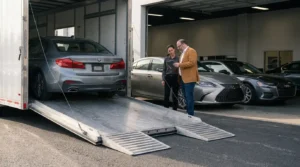
Lease Return Vehicle Transport: A Step-by-Step Guide for Dealers, Fleets, and Lessors
Learn lease return vehicle transport step by step, from inspection and pickup to remarketing transport and dealer vehicle transport.
Get Your EV Enclosed Quote
Run your lane through the instant quote calculator to see your current enclosed price and pickup window.