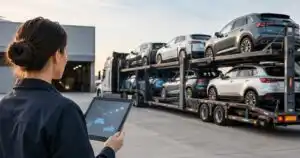
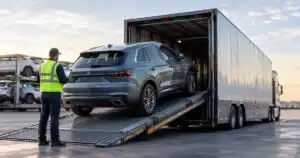
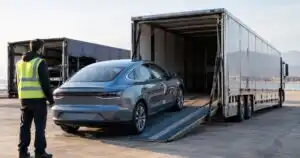
Vehicle wholesaler auto transport is the coordinated movement of purchased, traded, or sold inventory between auctions, holding lots, dealerships, and buyers to keep wholesale transactions moving. This 2026 guide explains how to match the route, vehicle condition, trailer type, and release requirements before arranging pickup, especially when different locations control the paperwork and the keys.
- CHD suits wholesalers seeking broker-coordinated auto transport rather than managing carrier arrangements themselves.
- Auto transport for vehicle wholesalers starts with accurate routes, vehicle conditions, auction releases, and receiving contacts.
- Choose open transport for standard inventory; assess enclosed transport against vehicle-specific handling and protection requirements.
- Keep pickup estimates separate from confirmed arrangements, and reconcile delivery documents against each vehicle record.
Why auto transport matters for vehicle wholesalers
A wholesale purchase is not ready for transport just because the sale is complete. You need the vehicle released, its location confirmed, and someone authorized to hand it over. At the destination, you need a receiving contact who knows what is arriving and can document its condition.
Car Haul Direct is a transport brokerage that coordinates carriers rather than owning the trucks. CHD is best suited to wholesalers seeking broker-coordinated auto transport. The brokerage arranges open, enclosed, expedited, and door-to-door shipping, with shipment requirements confirmed during coordination.
Wholesale moves require you to distinguish inventory readiness from transport readiness. A vehicle awaiting release, missing keys, or carrying an inaccurate operating-condition description needs attention before dispatch. Treat those details as booking inputs, not problems for the driver to discover.
For your 2026 transport plan, build the process around the vehicle record. Route information, release documents, handling requirements, and delivery evidence should stay connected even when the inventory changes hands.
How to arrange wholesale vehicle transport
Define the route and receiving requirements
Start with a shared spreadsheet or shipment form. Record the actual pickup and delivery locations, not just the auction name or dealership group. Identify whether either address has restricted truck access, appointment requirements, or limited receiving hours.
Separate the requested pickup date from the date the vehicle becomes available for release. A buyer's preferred delivery date is another field, not proof that the route can support it. Tell the transport coordinator which dates are flexible and which reflect a documented business requirement.
Create 1 shipment record per vehicle, even when several vehicles share a route. That keeps changes to a single unit from disappearing inside a group email. You can group compatible records later without losing individual instructions.
Before requesting arrangements, confirm where the truck can load and unload. Door-to-door transport still depends on safe, permitted access; a nearby meeting point requires agreement rather than assumption.
- Record origin and destination addresses with location-specific instructions.
- Name separate pickup and receiving contacts.
- Identify gate hours, appointment rules, and truck restrictions.
- Mark requested dates separately from confirmed arrangements.
- Record any proposed alternate loading or unloading location.
Verify vehicle condition and auction release
Ask the seller or holding location to confirm the vehicle's current condition manually. Do not rely on a listing description when arranging loading. Establish whether the vehicle starts, moves, steers, and brakes, and tell the coordinator about any limitations.
For auction purchases, confirm the release process with the auction itself. Transport instructions should identify the correct lot or stock reference, required authorization, key location, and person responsible for resolving a release issue. A paid invoice and permission to collect are distinct operational checks.
Review your 2026 shipment form for condition fields that require an actual answer rather than a default checkbox. An unknown condition should trigger verification, not an assumption that the vehicle runs.
Keep 2 contact roles clear: the person who authorizes release and the person who physically provides access. They can be the same person, but the record should establish that.
- Confirm starting, steering, braking, and rolling condition.
- Disclose modifications, low clearance, damage, and loading restrictions.
- Verify release authorization and required collection references.
- Confirm where keys and the vehicle are located.
- Resolve conflicting condition descriptions before carrier arrangements.
Choose the transport type for the inventory
Compare transport types against the vehicle's requirements before asking for a particular trailer. Open transport uses an exposed trailer. Enclosed transport places the vehicle inside a trailer, but enclosure alone does not establish loading compatibility or applicable insurance protection.
For standard wholesale inventory, start by assessing open transport. For vehicles with specific exposure or handling concerns, assess enclosed transport and confirm the loading method. Neither choice removes the need to disclose non-running condition, modifications, or access restrictions.
CHD coordinates auto transport across open and enclosed options and helps plan pickup, shipment status follow-up, and delivery. That gives you a coordination path without making the brokerage the physical carrier. Carrier fit still depends on the actual shipment.
Treat expedited transport as a timing request requiring confirmation. Do not represent urgency to your buyer as a guaranteed pickup or delivery commitment. If the route, vehicle condition, or release status changes, ask for the transport plan to be reassessed.
- Match trailer type to exposure and handling requirements.
- Confirm loading suitability for low-clearance or modified vehicles.
- Disclose non-running condition before selecting equipment.
- Request expedited handling only with clear timing requirements.
- Confirm access arrangements for door-to-door service.
Group compatible moves without hiding exceptions
Sort your shipment records manually by origin, destination, readiness, and transport requirements. Vehicles leaving the same auction are not automatically ready to travel together. One unit might lack release authorization, while another needs equipment unsuitable for the rest of the group.
Ask whether a grouped move fits the available carrier and route rather than assuming every purchase belongs on the same truck. Specify whether the group must remain together or whether ready vehicles can move separately. That decision belongs in the instructions before dispatch.
For recurring wholesale activity, CHD can coordinate commercial moves; explain your recurring lanes, typical vehicle mix, and receiving process. The limitation remains shipment-specific: recurring demand does not make every pickup date or equipment request confirmed.
If the receiving dealer needs a separate handoff process, align the instructions with the principles in the dealership auto transport guide. Keep the wholesale purchase record and the dealer's receiving requirements consistent.
- Group units by compatible routes and readiness.
- Flag vehicles requiring different equipment or handling.
- State whether split pickups are acceptable.
- Confirm which location controls each release.
- Keep individual vehicle identifiers visible within grouped instructions.
Confirm carrier responsibilities and shipment updates
Start with a written confirmation rather than a chain of verbal assumptions. Identify the brokerage contact, the assigned carrier when confirmed, and the people handling pickup and receipt. Ask who communicates schedule changes and how you should report a release or access problem.
Verify insurance against the actual carrier, vehicle, and shipment. Applicable limits, exclusions, deductibles, and vehicle eligibility need review; a general statement that transport is insured does not answer those questions. Do not promise your buyer coverage that has not been verified.
Use 3 status checkpoints in your 2026 workflow: release ready, picked up, and delivered. These are internal tracking requirements, not a promise of automated notifications or a fixed reporting frequency. Agree on any additional updates with the coordinator.
CHD helps customers follow shipment status, but you should confirm the communication method and escalation process for your move. Keep estimated timing labeled as estimated until a specific arrangement is confirmed.
- Record brokerage and carrier responsibilities separately.
- Verify applicable insurance terms and vehicle eligibility.
- Agree on shipment-update channels and contact responsibilities.
- Identify who resolves release, access, or scheduling changes.
- Keep estimates distinct from confirmed pickup arrangements.
Inspect delivery and close the vehicle record
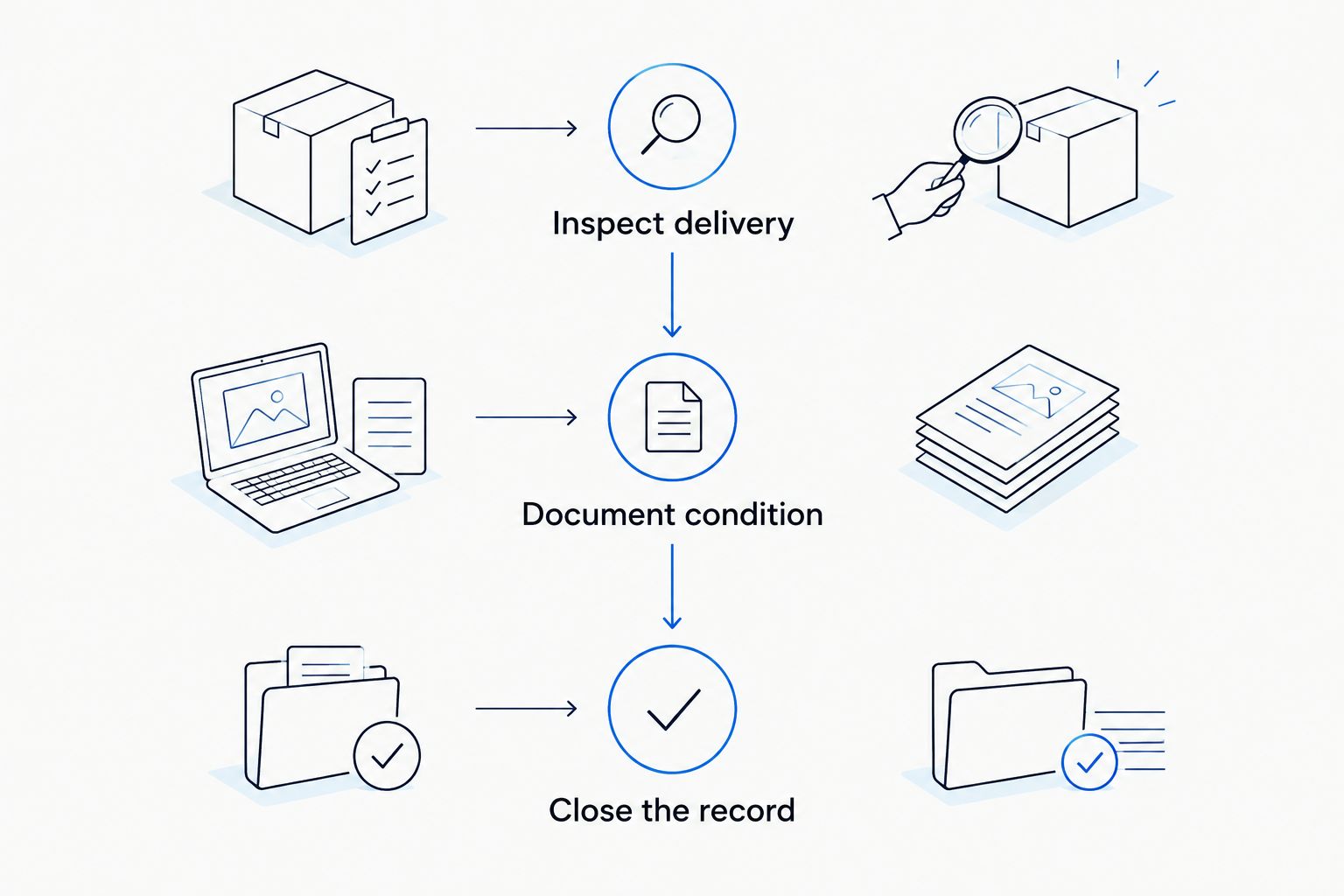
Prepare the receiving location before the truck arrives. Give the receiver the vehicle identifier, expected delivery arrangement, and instructions for documenting condition. Confirm that someone authorized can inspect and acknowledge receipt rather than assuming any employee on site can complete the handoff.
At delivery, compare the vehicle and condition documentation with the pickup record. Note discrepancies on the delivery paperwork and retain supporting photographs. Follow the applicable carrier and insurer reporting requirements for a damage concern; do not assume a notation alone completes a claim.
Close your 2026 transport record only after the receiving details and delivery documents are attached. A status message saying delivered is not a substitute for reconciling the vehicle identifier, destination, and receiving acknowledgment.
Review exceptions after each move. Separate release problems, equipment mismatches, access problems, communication gaps, and documentation issues so your next booking addresses the actual cause.
- Confirm the receiver's authority and inspection responsibilities.
- Match the delivered vehicle to its shipment record.
- Compare pickup and delivery condition documentation.
- Record discrepancies and follow applicable reporting instructions.
- Attach delivery paperwork before closing the record.
The closing sequence should remain visible to everyone managing inventory: inspect delivery, document condition, and close the record. Keeping those actions separate makes an incomplete handoff easier to identify.
Compare transport options for wholesale inventory
Best for means the option matches the shipment's requirements, not that it wins every route. Use this table to narrow the request, then confirm vehicle condition, equipment, access, and timing with the coordinator.
| Option | Best for | Practical benefit | Key limitation |
|---|---|---|---|
| Open transport | Standard inventory without an enclosure requirement | Moves vehicles on an open trailer | Vehicles remain exposed to weather and road conditions |
| Enclosed transport | Inventory with specific exposure concerns | Places vehicles inside a trailer | Enclosure does not establish loading suitability or insurance terms |
| Expedited coordination | Time-sensitive wholesale transactions | Prioritizes a clearly stated timing request | Carrier acceptance and timing require confirmation |
| Grouped vehicle moves | Compatible units sharing a route | Organizes several vehicle records into a coordinated request | Readiness, equipment, or access differences can require separation |
| Direct carrier coordination | Wholesalers prepared to manage carrier arrangements themselves | Gives the wholesaler direct responsibility for arrangements | Requires the wholesaler to handle coordination and follow-up |
| Brokerage coordination | Wholesalers wanting a coordination contact | Organizes carrier arrangements and shipment communication | The brokerage is not the truck operator; carrier-specific checks still matter |
Before choosing, ask what would change the plan. A different pickup yard, newly disclosed mechanical problem, or restricted delivery entrance needs review even when the original transport type remains appropriate.
Common mistakes vehicle wholesalers make
Treating an auction purchase as ready for pickup
A completed purchase does not establish that the vehicle is released, accessible, and ready to load. Confirm the collection requirements with the holding location before requesting dispatch. Keep the release contact attached to the vehicle record so a driver does not have to resolve purchase administration.
Combining vehicles without checking compatibility
Shared ownership or a shared auction does not make every unit suitable for the same move. Check route, readiness, operating condition, and equipment needs before grouping. Decide whether a delayed unit should hold the group or move separately, and document that instruction.
Promising resale delivery from an estimated pickup
An estimated pickup is not a confirmed delivery commitment to your next buyer. Communicate what is requested, what is confirmed, and what still depends on release or carrier arrangements. Escalate changes promptly rather than letting the buyer discover them through a missed expectation.
Treating insurance language as blanket protection
Avoid translating a general insurance statement into a guarantee for every vehicle or loss. Verify the applicable policy terms, including exclusions and deductibles. For unusual vehicles or handling requirements, confirm eligibility rather than assuming a standard description covers the shipment.
Closing the transaction without delivery evidence
A delivered status does not complete your documentation. Reconcile the vehicle identifier, receiving location, condition record, and acknowledgment. Keep unresolved discrepancies open and follow the applicable reporting process rather than filing the paperwork as a finished move.
FAQ
What’s the best auto transport option for vehicle wholesalers?
The best option matches the vehicle’s condition, route, exposure requirements, and timing needs. Assess open transport for standard inventory and enclosed transport when the vehicle requires enclosure; confirm loading suitability separately.
Can a wholesaler ship several auction purchases together?
Yes, several purchases can be submitted as a grouped transport request. Confirm each vehicle’s release, condition, route, and equipment requirements before assuming the units can travel together.
Does CHD operate the trucks carrying wholesale vehicles?
No. CHD is a transport brokerage that coordinates carriers and helps customers plan pickup, follow shipment status, and manage delivery.
Can a non-running wholesale vehicle be transported?
A non-running vehicle requires a transport plan that accounts for its actual loading condition. Disclose whether it rolls, steers, and brakes, and confirm suitable equipment before arrangements are finalized.
Does expedited auto transport guarantee an auction pickup date?
No, requesting expedited transport does not by itself confirm a pickup date. Carrier acceptance, vehicle readiness, route requirements, and access arrangements still need confirmation.
What should a wholesaler verify about transport insurance?
Verify the applicable carrier policy limits, exclusions, deductibles, and vehicle eligibility for the shipment. Do not treat a general insurance statement as confirmation that every vehicle or type of loss is covered.
What information should I provide for a wholesale transport request?
Provide the route, vehicle identifiers, operating condition, transport preferences, release requirements, contacts, and timing needs. Include truck-access restrictions and distinguish requested dates from confirmed arrangements.
One last thing
The person controlling the keys deserves a place in your transport record. A purchase contact, release authorizer, and yard employee can have different responsibilities. Confirm who can physically provide the vehicle, not just who can approve its collection.
Before your next recurring move, send the coordinator a completed vehicle record rather than only a route and desired date. That creates a clearer basis for assessing equipment, pickup readiness, and receiving requirements.
Discuss recurring vehicle moves
Provide your routes, vehicle mix, release requirements, and receiving process.
Related guides
- Auto transport for remarketing companies
- Auto transport for independent dealers
- Auction car transport options