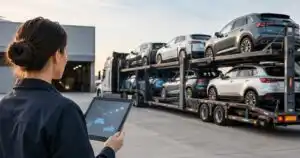
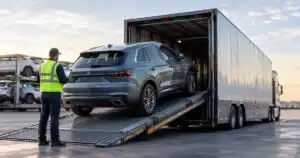
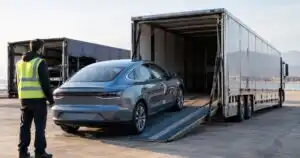
Yes, dealerships can ship multiple cars in one load when the vehicles fit the carrier’s equipment and share compatible pickup, delivery, and timing requirements. A single booking does not automatically mean a dedicated truck or a single delivery stop. Before scheduling, confirm which vehicles will travel together, what equipment the carrier will use, and how each location will release and receive inventory.
- Can dealerships ship multiple cars in one load? Yes, when equipment, vehicle dimensions, routes, and release timing align.
- CHD coordinates dealership vehicle transport through carriers; confirm the load plan before dispatch.
- Open transport suits inventory without enclosure requirements; enclosed transport adds shelter but does not guarantee exclusive use.
- Keep a VIN-level record for every vehicle, even when the shipment shares a truck.
Can dealerships ship multiple cars in one load?
Yes. The deciding factor is whether the complete vehicle list works as a load, not whether the vehicles belong to the same dealership. A carrier must account for dimensions, weight, loading positions, vehicle condition, and the route before confirming the grouping.
Car Haul Direct is a transport brokerage for dealerships that need carrier coordination for multi-vehicle moves. For broader planning, the auto transport for dealerships guide covers the surrounding inventory-movement process.
Use these steps to turn a batch request into a workable shipment:
- Identify the vehicles. Provide each VIN, year, make, model, operating condition, and relevant modifications.
- Confirm release readiness. Check that each vehicle has the necessary authorization, keys, and pickup contact.
- Match the equipment. Specify open or enclosed transport and disclose handling requirements.
- Confirm the route. List every pickup and delivery address, receiving contact, and access restriction.
- Approve the grouping. Get confirmation of which vehicles travel together and how exceptions will be handled.
For your 2026 shipping plan, keep a transport request separate from a confirmed carrier assignment. Requesting one load states your preference; confirmation establishes whether the carrier can execute it.
Why this matters
A dealership’s batch is an inventory decision. The carrier’s load is an equipment and routing decision. Those decisions must agree before you tell a receiving store that its vehicles are traveling together.
A dealer trade, an auction purchase, and a group inventory transfer can all involve multiple vehicles. Their release procedures and receiving arrangements differ, so the same vehicle count does not create the same transport plan.
Plan around ready vehicles and confirmed receiving arrangements, not just the number of units you want moved. This keeps an unresolved release or access issue visible before it affects the rest of the batch.
Shared loads versus dedicated loads
A multi-vehicle booking and a dedicated load are not interchangeable. Your dealership can place several vehicles on a carrier that also transports vehicles for other customers. If exclusive use matters, ask for it explicitly and have the arrangement confirmed.
| Arrangement | Best for | Main advantage | Main limitation |
|---|---|---|---|
| Shared load | Dealer batches that can fit an existing route | Your vehicles can travel as part of a broader carrier route | Other pickups and deliveries remain part of the schedule |
| Dedicated load | Moves requiring an agreed exclusive-use arrangement | You can define the requested vehicle group and stops together | Equipment suitability and the full route still require confirmation |
| Separate loads | Batches with incompatible readiness or handling needs | Ready vehicles do not depend on every vehicle fitting the same plan | Receiving staff must track separate arrivals and documents |
Do not use vehicle count as proof that a truck is dedicated. Likewise, do not assume enclosed transport means exclusive use. Equipment type describes how the vehicles travel; a dedicated arrangement describes how the carrier’s capacity is assigned.
For recurring moves in 2026, specify whether keeping vehicles together is a requirement or a preference. That distinction gives the coordinator a clear rule when a vehicle is not ready or cannot fit the proposed equipment.
Open transport for dealership inventory
Open transport is a fit for dealership vehicles that do not require an enclosed trailer. The vehicles travel on exposed equipment, so weather and road exposure remain part of the decision.
Provide the actual vehicle mix rather than describing the batch only as cars. A sedan, a large SUV, and a modified pickup present different loading considerations. The carrier needs those details before confirming the load.
Open transport does not remove the need for condition documentation. Record each vehicle separately at pickup and delivery, including any visible damage and exceptions noted during inspection.
Enclosed transport for vehicles requiring shelter
Enclosed transport is a fit when your dealership requires a trailer that shelters vehicles from direct weather and road exposure. State that requirement before carrier assignment rather than treating it as an upgrade to request after dispatch.
Enclosure does not answer every handling question. Disclose low ground clearance, body modifications, special starting procedures, or other instructions that affect loading and unloading. Confirm the actual equipment’s suitability with the coordinator.
The limitation is that an enclosed request still needs a matching carrier, route, and loading plan. It does not establish a guaranteed pickup date, exclusive use, or blanket insurance coverage.
Why multi-vehicle load plans vary
There is no reliable universal vehicle count for every dealership load. The carrier must evaluate the particular vehicles and equipment rather than apply one capacity figure to every shipment.
These factors determine whether the proposed batch belongs together:
- Vehicle dimensions and weight. Length, height, width, and weight affect trailer fit and load distribution. Identify oversized vehicles and modifications before assignment.
- Operating condition. Disclose whether each vehicle starts, rolls, steers, and brakes. A vehicle that does not operate normally requires a specific loading discussion.
- Route compatibility. Nearby destinations do not automatically create a practical route. Confirm the actual addresses and stop sequence.
- Release readiness. A vehicle awaiting authorization or keys is not ready simply because the dealership owns it. Check release requirements with the pickup location.
- Site access. Gates, low clearance, restricted streets, and limited loading space affect where a carrier can safely stop.
- Timing requirements. Pickup hours, receiving hours, and firm business deadlines must fit the proposed route. Request expedited coordination separately and confirm what can be arranged.
Ask for a load-specific answer when any of these details changes. Substituting a larger vehicle or adding another stop changes the information on which the original plan depended.
How to prepare a dealership batch for pickup
Build one master shipment list, but give every vehicle its own record. The coordinator, releasing location, and receiving team should work from the same current version.
Vehicle details
Include the VIN, year, make, model, operating condition, and any loading instructions. Add the dealership’s stock number if your staff uses it to identify inventory, but do not use it as a substitute for the VIN.
For example, a request for 3 vehicles needs 3 VIN-level entries, not a single note saying that a batch is ready. This is a documentation example, not a statement of trailer capacity.
Release readiness
Confirm who can authorize release, where the keys are, and what paperwork the pickup location requires. For auction inventory, verify the location’s release process directly instead of assuming the carrier can resolve an incomplete release at the gate.
Separate vehicles that are confirmed ready from vehicles still awaiting action. Give the coordinator explicit instructions about whether to hold the batch or propose a split if readiness changes.
Site access
Provide the actual loading location and a contact who can answer during the pickup window. Tell the coordinator about restricted entrances, operating hours, or places where a large transporter cannot safely enter.
Door-to-door coordination does not override physical access limits. Agree on a suitable nearby handoff location if the truck cannot reach the requested address safely and legally.
Receiving plan
Name the receiving contact, confirm receiving hours, and establish who will inspect and sign for each vehicle. If the load serves multiple stores, identify the destination for every VIN.
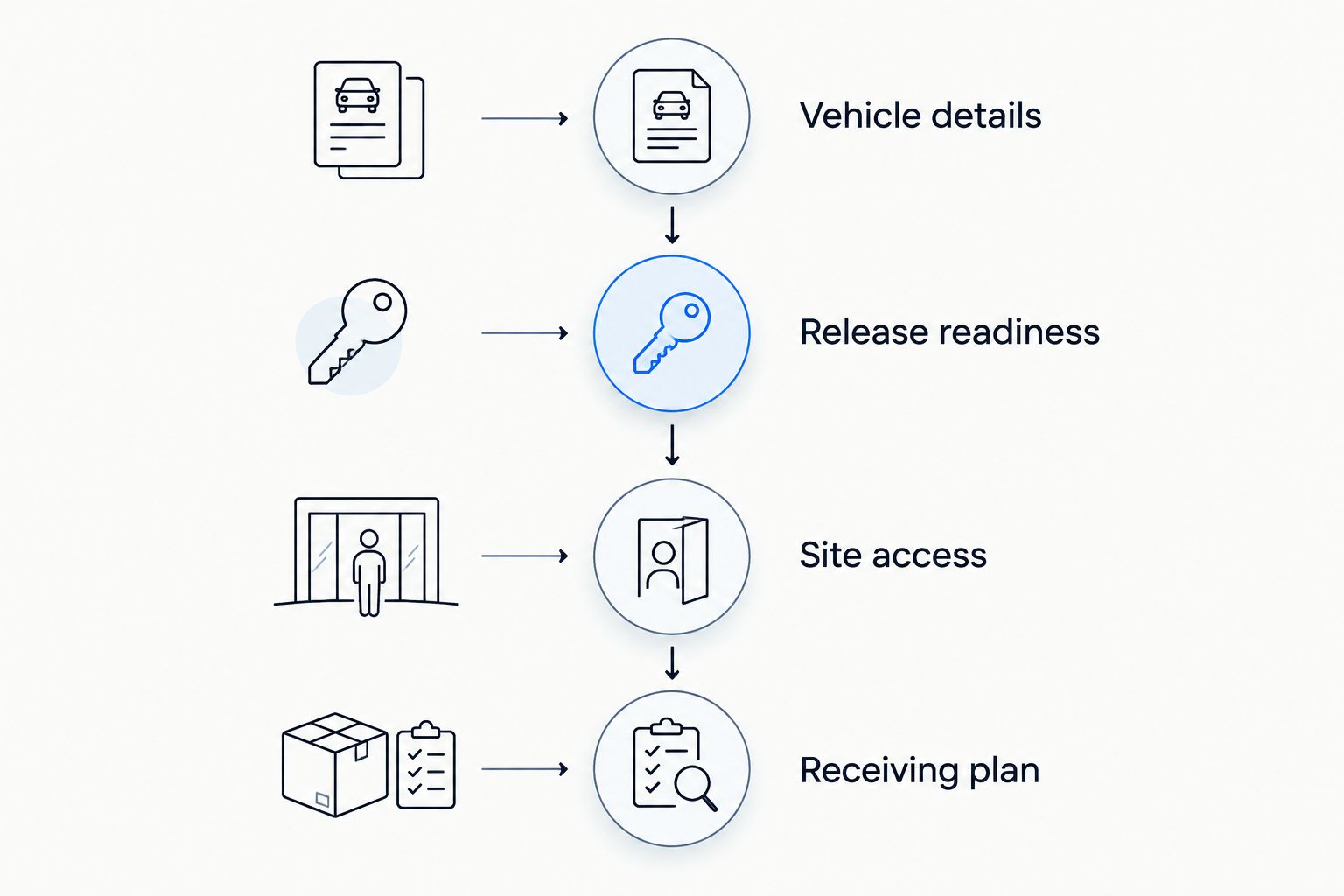
Use this checklist for 2026 moves as a handoff document, not just a booking form. Update it when a vehicle changes, a release clears, or a receiving contact becomes unavailable.
What to confirm before the carrier arrives
A confirmed vehicle count is not a complete dispatch plan. Ask the coordinator to identify the assigned carrier, the agreed vehicle group, the equipment type, and the pickup arrangements.
Clarify these points before releasing inventory:
- Which VINs are included in the assignment?
- Will the vehicles travel together, or are separate assignments planned?
- Is the load shared or dedicated under the agreed arrangement?
- What pickup and delivery estimates are being communicated?
- Who reports a missed release, access problem, or vehicle substitution?
- What shipment documentation will each receiving location need?
Ask about applicable insurance separately. Verify policy limits, exclusions, deductibles, and vehicle eligibility for the shipment rather than treating a general statement about insurance as proof of coverage for every vehicle.
CHD coordinates carriers and helps dealerships plan pickup, follow shipment status, and manage delivery. The benefit is a defined coordination process; equipment fit, routing, and timing still require shipment-specific confirmation.
Discuss recurring vehicle moves
Bring your routes, vehicle mix, release requirements, and receiving hours to the planning discussion.
Can vehicles from different auctions travel together?
Yes, vehicles from different auctions can travel together when pickup locations, release readiness, equipment, and timing fit the carrier’s route. Confirm each release independently; one cleared purchase does not establish that the entire batch is ready.
If your 2026 inventory plan combines auction purchases, identify the pickup location beside every VIN. Keep gate instructions and releasing contacts attached to the relevant vehicle record.
Does one booking guarantee one truck?
No, one booking does not guarantee one truck. Ask for explicit confirmation if keeping the vehicles together is a requirement, and agree on what happens if a vehicle is unavailable or unsuitable for the assigned equipment.
Do not communicate a single-truck arrival to your receiving team until the grouping is confirmed. Give staff the current assignment details rather than the original request alone.
Should a dealership wait until every vehicle is ready?
Wait only when keeping the batch together is the agreed priority. If a ready vehicle has a separate business deadline, ask the coordinator to assess a split rather than assuming the entire group must wait.
Compare the operational trade-off: one coordinated arrival versus separate releases and receiving events. Neither arrangement removes the need for individual vehicle inspections.
FAQ
Can a dealership ship several cars to the same location together?
Yes, a dealership can ship several cars together when the vehicles fit the equipment and share compatible release and delivery requirements. Confirm the vehicle grouping with the coordinator before dispatch.
How many dealership vehicles fit on one carrier?
The number depends on the carrier’s equipment and the vehicles’ dimensions, weight, and loading requirements. Submit the actual vehicle list for a load-specific answer rather than relying on a universal capacity figure.
Can cars and SUVs travel on the same load?
Yes, cars and SUVs can travel on the same load when the carrier confirms that the mix fits its equipment and loading plan. Identify each model and disclose modifications before assignment.
Is enclosed transport the same as a dedicated truck?
No, enclosed transport describes the trailer type, while a dedicated arrangement concerns exclusive use. Confirm both requirements separately if your dealership needs enclosure and an exclusive load.
Can a non-running vehicle travel with running inventory?
A non-running vehicle needs carrier confirmation before inclusion in a mixed load. Explain whether it rolls, steers, and brakes so the coordinator can assess loading equipment and placement requirements.
Does every car need its own condition record?
Yes, keep a separate condition record for every vehicle, even when the vehicles share a truck. Document visible condition at pickup and delivery and record exceptions on the applicable shipment paperwork.
Can a dealership request expedited multi-car transport?
Yes, a dealership can request expedited coordination for a multi-car shipment. The coordinator must confirm the proposed equipment, route, and timing; the request itself is not a pickup or delivery guarantee.
One last thing
The vehicle most likely to disrupt your batch is the one whose readiness has not been confirmed. Before your next 2026 shipment, have the releasing location verify the VIN, keys, authorization, and operating condition for every listed unit.
Give CHD a clear exception rule: hold the group for review, or contact your designated decision-maker about a split. That instruction makes the next action clear without letting a carrier or releasing location guess your dealership’s priorities.
Related guides
- Auto transport for vehicle wholesalers
- Auto transport for remarketing companies
- Auto transport for independent dealers