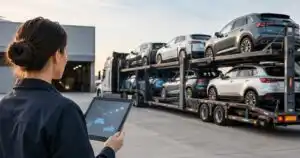
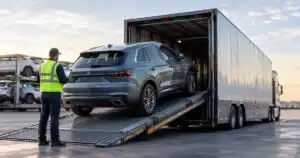
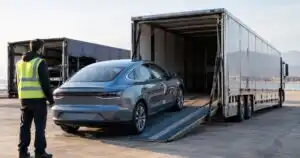
Auction car transport takes the time needed to release the vehicle, arrange a suitable carrier, and complete the trip; a delivery estimate must account for all three stages. Time on the truck excludes the wait for auction clearance and pickup. For a 2026 purchase, get separate pickup and delivery windows tied to your route, vehicle condition, transport type, and receiving hours.
- How long does auction car transport take? Separate auction release, carrier pickup, and transit before setting a delivery expectation.
- CHD coordinates auction car transport with carriers; estimates depend on the shipment’s actual requirements.
- Expedited transport requires confirmed carrier availability; requesting urgency does not establish a pickup appointment.
- For dealership inventory, track release readiness, actual loading, and receiving arrangements separately.
Why this matters
An auction purchase date is not a pickup date. Your dealership needs to know when a vehicle can leave the yard, when a carrier expects to collect it, and when your receiving team should prepare for delivery.
For dealership auto transport, connect those milestones to inventory planning rather than treating a preliminary arrival estimate as a firm reconditioning appointment. A vehicle that has not cleared release cannot move just because transport has been requested.
The practical goal is not a single optimistic date. It is a schedule that identifies the next action, the person responsible, and the conditions behind the estimate.
How long does auction car transport take?
Auction car transport timing combines release readiness, pickup coordination, and loaded transit. Ask which stage an estimate covers before using it to schedule inventory intake or promise a vehicle to a buyer.
Use these 3 milestones to structure your 2026 shipment plan:
| Milestone | What must happen | What to confirm |
|---|---|---|
| Auction release | The auction authorizes collection | Release status, pickup instructions, and required documents |
| Carrier pickup | A suitable carrier collects the vehicle | Pickup window, loading requirements, and actual loading confirmation |
| Delivery | The carrier reaches the agreed receiving location | Arrival estimate, access, receiving contact, and condition documentation |
A quote, a carrier assignment, and actual loading are different events. Ask what has happened, not simply whether the shipment is booked.
Once the vehicle is loaded, request an updated arrival estimate based on the actual departure. Keep the receiving contact available for changes rather than assuming the original estimate remains unchanged throughout the move.
Build the schedule in the right order
- Confirm release. Establish whether the auction has authorized pickup and what the collecting carrier must present.
- Confirm the vehicle. Provide the vehicle identification number, location, operating condition, and any handling restrictions.
- Confirm pickup. Check the carrier arrangement against the auction's collection hours and access rules.
- Confirm arrival. Match the delivery estimate to your receiving hours, unloading location, and available staff.
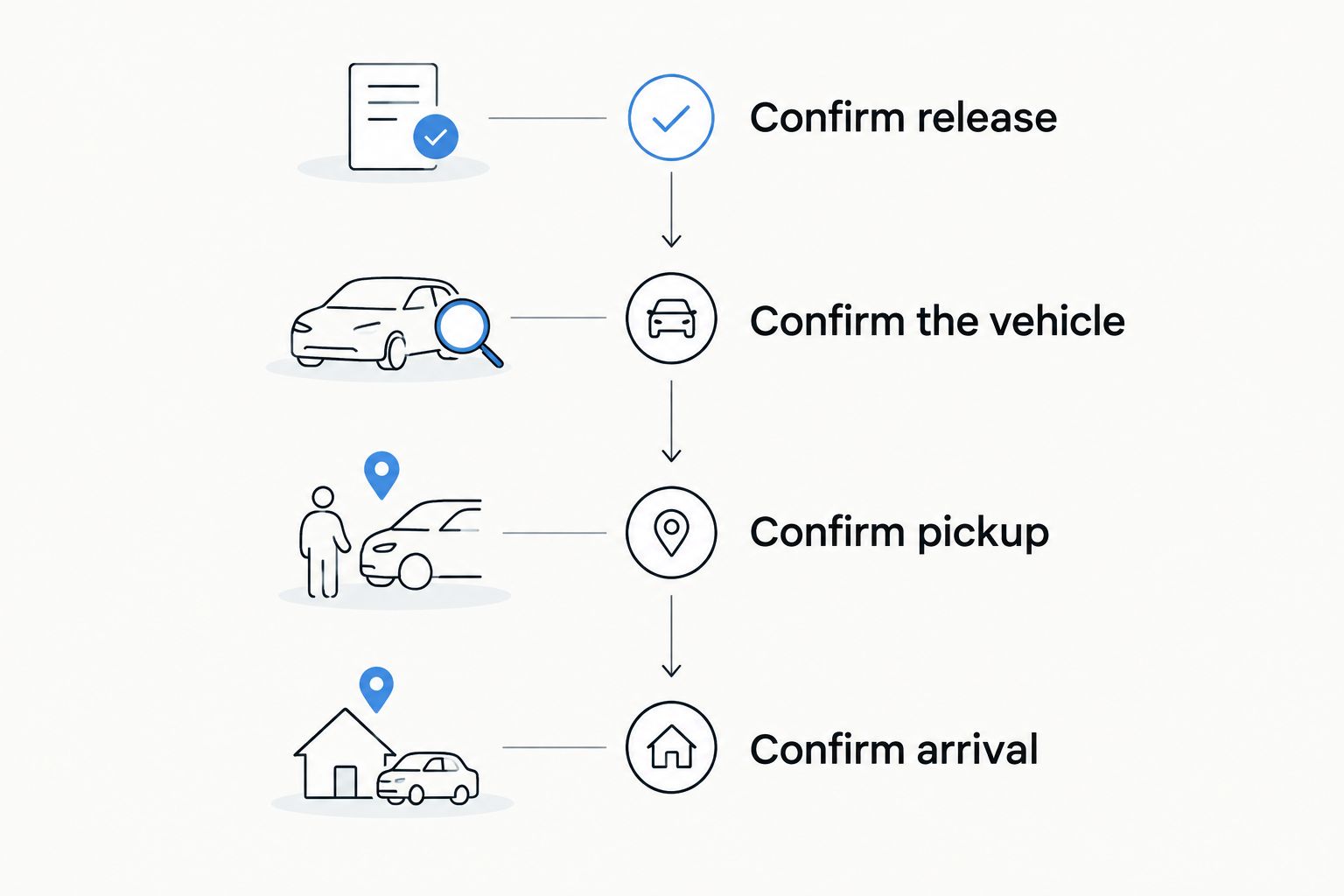
These steps establish responsibility; they do not create a delivery guarantee. If a condition changes, ask which milestone changes with it and when the next update will follow.
Open, enclosed, and expedited transport: what changes?
Transport type changes the equipment and scheduling requirements. It does not remove auction release procedures, loading constraints, or the need for an accessible delivery location.
Choose protection and handling requirements first. Then ask what pickup arrangement is available for that specific shipment.
| Option | Best for | Practical advantage | Limitation to plan around |
|---|---|---|---|
| Open transport | Dealer inventory suitable for exposed transport | Moves vehicles on an open carrier | Vehicles remain exposed to weather and road conditions |
| Enclosed transport | Vehicles requiring a covered transport environment | Adds a physical enclosure around the vehicle | Requires suitable enclosed equipment and loading access |
| Expedited coordination | Purchases with a time-sensitive pickup need | Makes urgency an explicit scheduling requirement | Availability must be confirmed; urgency is not a guaranteed collection date |
Open auction transport
Open transport fits inventory moves where an exposed carrier meets the vehicle's handling requirements. Confirm whether the vehicle can be driven onto the trailer and whether modifications affect clearance.
Choose open transport when its exposure and loading method suit the vehicle. Do not choose it solely because you expect a particular arrival date; the carrier arrangement still needs confirmation.
Enclosed auction transport
Enclosed transport provides a covered environment for the vehicle during the trip. Discuss ground clearance, loading equipment, and handling restrictions before the carrier is arranged.
The trade-off is equipment specificity. A request for enclosed transport is not a confirmed enclosed pickup, and a covered trailer does not replace condition documentation or verification of applicable insurance terms.
Expedited auction transport
Expedited coordination addresses a timing priority, but the request must name the actual deadline. Explain whether your concern is auction removal, dealership receiving, or a downstream customer commitment.
Ask for a confirmed pickup arrangement, not an unqualified promise of speed. Expedited availability depends on the route, suitable equipment, release readiness, and the carrier's schedule.
Why auction transport timing varies
A useful estimate explains its conditions. For 2026 inventory planning, ask your coordinator to address these factors before you commit staff or receiving space:
- Release readiness: Unfinished release requirements prevent collection even when a carrier is ready.
- Route and carrier schedule: Pickup and delivery locations must fit a workable carrier movement.
- Vehicle condition: A vehicle that does not run, roll, steer, or brake as expected needs its loading requirements resolved.
- Transport equipment: Open, enclosed, and specialized handling requests require an appropriate carrier setup.
- Site access and hours: Auction collection rules and dealership receiving arrangements must align with the planned movement.
- Road and weather conditions: Conditions during the trip affect the carrier's arrival estimate and require updated communication.
Avoid reducing this assessment to distance alone. Mileage does not tell you whether the vehicle is released, whether the truck can load it, or whether someone can accept it at the destination.
What should you send before requesting pickup?
Send one clear shipment brief instead of a chain of partial instructions. The coordinator needs enough information to distinguish a vehicle ready for collection from a purchase that still needs preparation.
Include:
- Auction name, physical pickup location, and vehicle identification number.
- Lot or stock identifier and the auction's release instructions.
- Vehicle year, make, model, and relevant modifications.
- Whether the vehicle starts, rolls, steers, and brakes, plus known loading restrictions.
- Your open or enclosed transport requirement.
- Earliest collection readiness and any documented removal deadline.
- Delivery address, receiving hours, site restrictions, and primary contact.
Describe uncertainty directly. If you have not verified whether a damaged vehicle rolls, say so and arrange confirmation rather than describing it as ready to load.
Keep 2 timing windows separate: pickup and delivery. State whether your receiving hours use local time, and distinguish a requested appointment from an accepted appointment. That prevents an estimate from becoming a commitment through repeated forwarding.
Does the transport clock start when you win the auction?
The 3 milestones begin with release readiness, not simply the winning bid. A purchase establishes the transaction; the auction must still authorize collection under its applicable process.
Give your coordinator the purchase details early, but label unresolved release conditions. Advance planning and immediate collection are not the same thing.
Does expedited transport guarantee faster auction pickup?
The 3 milestones still apply to expedited transport: release, pickup, and delivery. An urgent request does not bypass auction authorization or establish that suitable equipment is available.
Ask what has been confirmed and what remains conditional. If pickup is your priority, make that explicit rather than asking only for faster delivery.
Can a non-running auction car follow the same schedule?
The 3 milestones remain the same for a non-running vehicle, but carrier selection must account for loading and unloading requirements. Explain the actual condition instead of relying on the auction listing's shorthand.
Confirm how the vehicle will be handled at both ends. A pickup plan is incomplete if the delivery location cannot accept the same vehicle safely.
How should you track the shipment after pickup?
After loading, shift from release questions to movement updates. Ask for actual pickup confirmation, the current arrival estimate, and the next expected update rather than repeatedly requesting the original booking date.
A 2026 status record should distinguish a confirmed event from a forecast. Record the event time and source so your inventory team can tell whether the update describes loading, movement, or an expected arrival.
Location visibility and delivery readiness answer different questions. When sharing vehicle locations with customers, distinguish a location update from a confirmed arrival appointment; a position on a map does not establish unloading access or receiving staff availability.
Use plain status descriptions:
- Release pending: The auction has not yet authorized collection.
- Pickup arranged: Collection has been coordinated, but loading is not yet confirmed.
- Loaded: The vehicle has been collected.
- Arrival estimated: The delivery time remains a forecast.
- Delivered: Receipt and delivery documentation have been completed.
These labels give your team a shared vocabulary. They do not describe a particular tracking platform or promise automatic updates.
What should you do when the estimate changes?
First identify the stage affected. A release problem needs a different response from a delayed pickup or a change during loaded transit.
Ask what changed, who owns the next action, and when the estimate will be reviewed. Then update the people who depend on the vehicle's arrival, including receiving and reconditioning staff.
Do not replace one uncertain time with another unsupported deadline. Keep the revised estimate attached to its conditions, particularly when auction access or a receiving appointment remains unresolved.
If delivery hours no longer work, discuss the receiving arrangement before the truck arrives. Confirm any revised location with the coordinator and carrier rather than sending conflicting instructions through separate contacts.
Who coordinates recurring auction-to-dealership moves?
Car Haul Direct is a transport brokerage for dealerships that need carrier coordination for auction purchases and recurring inventory moves. CHD arranges open, enclosed, expedited, and door-to-door transport and helps customers plan pickup, follow shipment status, and manage delivery.
For recurring auction car transport, CHD's role is coordination, not truck ownership. You still need shipment-specific confirmation of release readiness, carrier arrangements, handling requirements, and delivery estimates.
Before discussing recurring moves, organize your common routes, auction locations, vehicle types, receiving hours, and status-reporting needs. Separate routine inventory from vehicles requiring special handling so the transport request reflects the actual job.
Discuss recurring vehicle moves
Share your auction locations, routes, vehicle requirements, and receiving hours.
FAQ
How long does auction car transport take in 2026?
Auction car transport timing combines auction release, carrier pickup, and transit to the receiving location. Request separate pickup and delivery windows based on the route, vehicle condition, equipment, and site hours.
Does an auction win mean my car is ready for transport?
An auction win does not establish release readiness. Confirm the auction’s authorization and collection instructions before treating the vehicle as ready for pickup.
Can I book transport before the auction releases my vehicle?
You can begin coordination before release, but collection requires the auction’s authorization. Tell the coordinator which release conditions remain unresolved.
Is enclosed auction transport faster than open transport?
Enclosed transport is a protection and equipment choice, not evidence of faster delivery. Ask for shipment-specific pickup arrangements and arrival estimates for the option you need.
Does expedited auction shipping guarantee a pickup date?
An expedited request does not establish a guaranteed pickup date. Confirm suitable carrier availability, release readiness, and the collection arrangement before relying on a deadline.
What information helps arrange a non-running auction vehicle?
Describe whether the vehicle starts, rolls, steers, and brakes, along with damage and loading restrictions. Confirm appropriate handling at both pickup and delivery.
When should my dealership schedule reconditioning?
Base reconditioning planning on the current delivery estimate and your receiving process, not the auction purchase date alone. Recheck the estimate after actual pickup and when shipment conditions change.
One last thing
For your next 2026 auction purchase, add one field to the shipment record: What must happen next? Release authorization, carrier collection, and dealership receipt are different tasks with different owners.
An arrival estimate helps you plan. Knowing the next required action tells you what to do.
Related guides
- Auction car transport for buyers: how to choose
- Auto transport for independent dealers
- Auto transport for remarketing companies