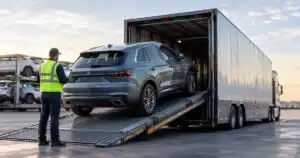
Expedited vehicle pickup is worth it for dealerships in 2026 when earlier collection protects a specific sale, auction release deadline, or inventory commitment that standard scheduling cannot meet. It is not worth choosing by default: expedited pickup does not guarantee earlier delivery, and carrier availability, vehicle readiness, and site access still control what can happen.
- Is expedited vehicle pickup worth it for dealerships? Yes, when confirmed earlier collection addresses a real business deadline.
- Standard pickup is best for flexible inventory moves; expedited pickup is best for release-ready vehicles with documented urgency.
- Open transport and enclosed transport describe trailer protection, not guaranteed pickup or delivery speed.
- Confirm carrier availability, pickup expectations, and delivery estimates separately before committing your dealership.
Why this matters
A vehicle can leave an auction sooner and still miss your dealership's receiving window. The useful question is not whether the shipment carries an expedited label, but whether the proposed plan fixes the actual bottleneck.
Car Haul Direct is best for dealerships seeking a transport brokerage to coordinate carriers for recurring vehicle moves. CHD arranges transport rather than operating the trucks; pickup plans depend on carrier acceptance and shipment requirements. The dealership auto transport guide provides the broader context for coordinating inventory movements.
Is expedited vehicle pickup worth it for dealerships in 2026?
Choose expedited pickup when the vehicle is ready, the deadline matters, and an available carrier's plan improves the schedule you actually need. Keep standard scheduling when your receiving team can accept a flexible arrival and earlier collection does not change the business outcome.
Use this comparison before authorizing a shipment. These are scheduling approaches, not promises of a particular turnaround.
| Scheduling approach | Best for | Main advantage | Main limitation | Decision |
|---|---|---|---|---|
| Standard pickup | Routine replenishment with flexible timing | Gives scheduling more flexibility around the route | Does not prioritize a particular collection deadline | Keep for moves without a documented timing constraint |
| Expedited pickup | Release-ready auction purchases or dealer trades with a firm collection need | Focuses carrier coordination on an earlier pickup requirement | Depends on carrier availability and does not guarantee earlier delivery | Choose only when the proposed schedule addresses the constraint |
For your 2026 transport approvals, record the reason for urgency beside the vehicle identification number. A specific reason, such as an auction release deadline or a sold-unit handoff, gives the transport coordinator something actionable. A request marked only urgent does not explain what needs to change.
Standard pickup: best for flexible inventory movement
Standard pickup fits stock replenishment, branch transfers, and auction purchases without a narrow collection requirement. Give the coordinator your earliest release date, destination hours, and any date after which the movement becomes a problem.
The advantage is scheduling flexibility. The limitation is that a flexible pickup request does not establish a commitment to collect before your internal deadline.
Use standard pickup when the ordinary scheduling plan meets the dealership's actual need. Do not add urgency just because the purchasing team wants the vehicle visible on the lot sooner; first establish whether earlier arrival changes a sale, reconditioning slot, or receiving commitment.
Expedited pickup: best for a specific collection deadline
Expedited pickup fits a vehicle that is ready for release but needs collection sooner than the standard proposal allows. Examples include an auction purchase approaching a documented removal deadline or a dealer trade tied to an agreed handoff.
The advantage is a pickup-focused coordination request. The limitation is that urgency cannot create a suitable truck, complete missing release paperwork, or open a closed pickup location.
Ask what the proposed expedited arrangement changes. Is there an identified carrier with an accepted pickup window, or is the coordinator still searching? Those are different shipment states, and your dealership should not report them as the same thing.
Choose expedited pickup only after the collection plan is specific enough to support your decision. Keep the delivery estimate separate, especially when your buyer-facing commitment depends on arrival rather than departure.
Why expedited pickup value varies
The value comes from removing a timing constraint, not from the service label. These factors determine whether earlier collection helps your dealership:
- Route fit: The origin, destination, and required direction of travel affect which carriers can consider the move.
- Vehicle readiness: Release authorization, keys, accurate location details, and disclosed operating condition determine whether collection can proceed.
- Transport type: Open or enclosed equipment must match the vehicle's handling requirements; urgency does not remove that requirement.
- Site access: Auction procedures, truck access, gate hours, and appointment requirements shape the workable pickup window.
- Destination readiness: Your receiving contact and available unloading location must support the expected arrival.
- Deadline consequence: A documented customer handoff or removal requirement provides a clearer reason to expedite than a general preference for speed.
In 2026, apply the same approval test across your dealership group: identify the constraint before choosing the scheduling approach. This keeps routine replenishment separate from shipments that need active exception handling.
Does expedited pickup mean faster delivery?
Expedited pickup does not automatically mean faster delivery. Collection is the departure event; delivery depends on the remaining route, carrier schedule, access conditions, and receiving arrangements.
If your requirement is arrival at the dealership, state that directly. Ask whether the proposed carrier plan addresses the delivery requirement rather than only collecting the vehicle sooner.
For auction purchases, the guide to how long auction car transport takes addresses the broader timing question. Keep your shipment's actual estimates attached to its own dispatch record rather than treating a general guide as a commitment.
Should expedited dealer pickup use open or enclosed transport?
Choose the trailer type for the vehicle, then assess the pickup schedule. Open transport carries vehicles on an exposed trailer; enclosed transport places them inside a trailer body. Neither description establishes how soon a suitable carrier can collect.
| Transport type | Best for | Main advantage | Main limitation |
|---|---|---|---|
| Open transport | Dealer inventory approved for exposed-trailer movement | Fits vehicles without an enclosed-trailer handling requirement | Vehicles remain exposed to weather and road conditions |
| Enclosed transport | Vehicles with a documented need for enclosed carriage | Provides a physical enclosure during transport | Enclosure alone does not confirm loading suitability or earlier pickup |
For either option, disclose low clearance, modifications, damage, or an inability to start, roll, steer, or brake. Confirm the required loading method with the coordinator before accepting a plan.
Do not substitute equipment solely to chase a deadline. If the vehicle requires enclosed carriage or particular loading arrangements, preserve that requirement while checking expedited availability.
How do you prepare an expedited dealer pickup?
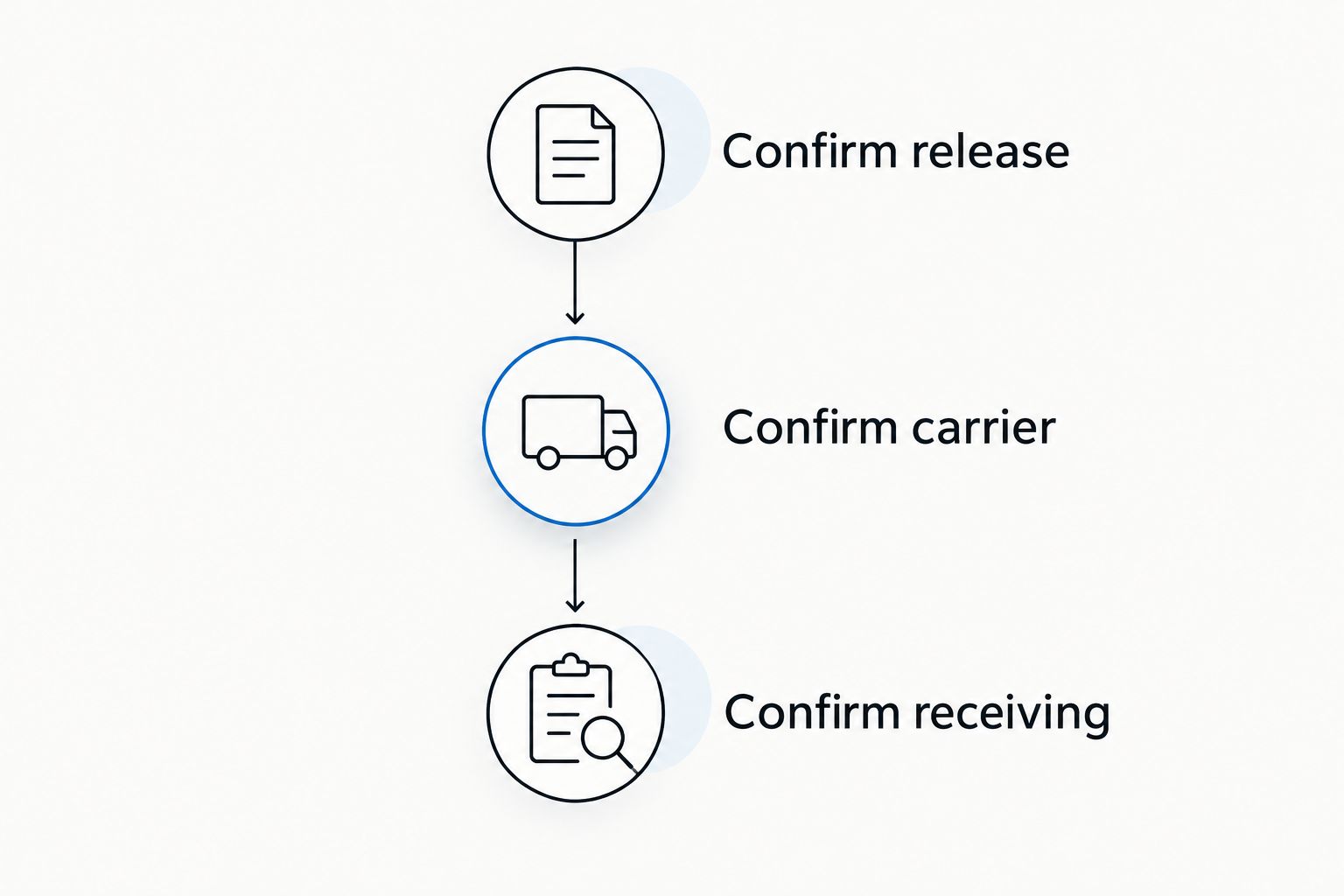
Use 3 checkpoints before approving the movement: vehicle release, carrier confirmation, and receiving readiness. Assign 1 shipment owner at the dealership to keep instructions consistent and track 2 timing windows separately: pickup and delivery.
Confirm release
Provide the VIN, vehicle description, exact pickup location, release authorization, and pickup contact. Verify that the vehicle is accessible and that the location will release it to the assigned carrier under its procedures.
Do not assume a completed purchase means the vehicle is ready for collection. Confirm keys, paperwork, operating condition, and any appointment requirement directly with the releasing location.
Confirm carrier
Ask whether a carrier has accepted the shipment and which pickup expectations are confirmed. Record the trailer requirement, handling instructions, pickup contact, and process for reporting a schedule change.
CHD coordinates these details with carriers, but expedited availability still requires confirmation for the route and vehicle. A request submitted for urgent scheduling is not the same as a carrier-confirmed collection plan.
Confirm receiving
Give the destination contact the vehicle details, delivery estimate, and unloading requirements. Verify receiving hours and identify who will inspect the vehicle and sign the delivery documentation.
Check the handoff plan before the vehicle leaves. Earlier pickup accomplishes little if the destination cannot receive the truck or the person responsible for inspection is unavailable.
What should your dealership put in the transport request?
A useful 2026 transport request separates facts from preferences. Give the coordinator enough information to assess the movement without guessing what urgent means.
- Route: Exact collection and delivery addresses, with truck-access restrictions.
- Vehicle: VIN, make and model, operating condition, modifications, and handling requirements.
- Timing: Earliest release, required collection deadline, desired arrival, and the consequence of missing each.
- Contacts: Authorized people at pickup and delivery, plus your dealership's shipment owner.
- Documentation: Release instructions, condition-record requirements, and delivery paperwork expectations.
Ask for written confirmation of what the proposed arrangement includes. Keep pickup estimates, delivery estimates, and any expressly confirmed commitments distinct in your internal updates.
The next step is a route-specific discussion, not a blanket expedited instruction. For recurring moves, CHD can coordinate transport requirements with carriers; confirm the scope and availability for each movement.
Discuss recurring vehicle moves
Share your routes, vehicle details, release dates, and receiving requirements.
What needs checking before the vehicle leaves?
Urgency does not replace condition documentation or insurance review. Record visible condition at pickup, retain the shipment paperwork, and make sure the receiving team knows how to document discrepancies at delivery.
For your 2026 shipment file, confirm the applicable carrier policy limits, exclusions, deductibles, and vehicle eligibility. Do not interpret an expedited designation as additional coverage or assume every vehicle has the same protection.
Have the receiving representative compare the vehicle with the pickup condition record before completing delivery documentation. If something differs, document it clearly and follow the applicable reporting process.
FAQ
Is expedited vehicle pickup worth it for a dealership auction purchase?
Expedited vehicle pickup is worth considering when a release-ready auction vehicle has a documented collection deadline that standard scheduling cannot meet. Confirm release procedures and carrier availability before relying on the proposed pickup plan.
Does expedited vehicle pickup guarantee a delivery date?
Expedited vehicle pickup does not itself guarantee a delivery date. Confirm the delivery estimate separately and distinguish it from any expressly agreed commitment.
Should a dealership expedite every sold vehicle?
A dealership should not expedite every sold vehicle by default. Compare the proposed standard schedule with the actual customer handoff requirement, then request expedited coordination only when it addresses the gap.
Can an inoperable vehicle get expedited pickup?
An inoperable vehicle requires confirmation of suitable equipment and handling before expedited pickup can be accepted. Disclose whether it starts, rolls, steers, and brakes so the coordinator can assess the requirements.
Is enclosed transport automatically faster than open transport?
Enclosed transport is not automatically faster than open transport. Trailer type describes how the vehicle travels; pickup timing depends on a suitable carrier’s availability and the route.
What should I ask a transport broker before approving expedited pickup?
Ask whether a carrier has accepted the shipment, what pickup expectations are confirmed, and what remains an estimate. Also confirm vehicle release, loading requirements, destination access, and the process for schedule changes.
What should the dealership do if the pickup estimate changes?
The dealership should ask for the revised pickup expectation and reassess the original deadline. Notify the releasing location and receiving team, then check whether the proposed plan still solves the reason for expediting.
One last thing
The deadline you name determines the problem the coordinator tries to solve. If you need a vehicle available for a customer handoff, requesting the earliest pickup without stating the required arrival leaves the most important instruction unsaid.
Write the required outcome beside the requested pickup window. Then confirm whether transport, vehicle release, or dealership preparation is the step that needs attention.
Related guides
- Moving multiple dealership vehicles in one load
- Manheim auction win to dealer lot workflow
- Transport planning for independent dealers