Choose Car Haul Direct if you need a transport brokerage to coordinate recurring dealership, auction, or fleet moves; choose Navi Auto Transport if its written offer better meets your specific route, vehicle, pickup window, and delivery requirements. For this 2026 comparison, the deciding evidence is the shipment plan—not an unsupported claim that either company is faster or cheaper.
- Car haul direct vs Navi Auto Transport: CHD fits buyers seeking recurring commercial auto transport coordination.
- Choose Navi Auto Transport when its written shipment terms better match your route and timing requirements.
- Compare open transport and enclosed transport using the same vehicle details and handling requirements.
- Require carrier information, shipment-specific coverage verification, and clear pickup and delivery responsibilities.
Why this matters
A dealer trade is not complete when you accept a transport quote. Someone must coordinate vehicle release, communicate pickup arrangements, track the shipment, and confirm delivery documentation. A quote that leaves those responsibilities unclear leaves your team with more follow-up work.
CHD is a transport brokerage for buyers who need carrier coordination across recurring commercial vehicle moves. That is its relevant strength here—not truck ownership or a guaranteed delivery outcome. Start with the auto transport for dealerships guide if you need to define the workflow before requesting proposals.
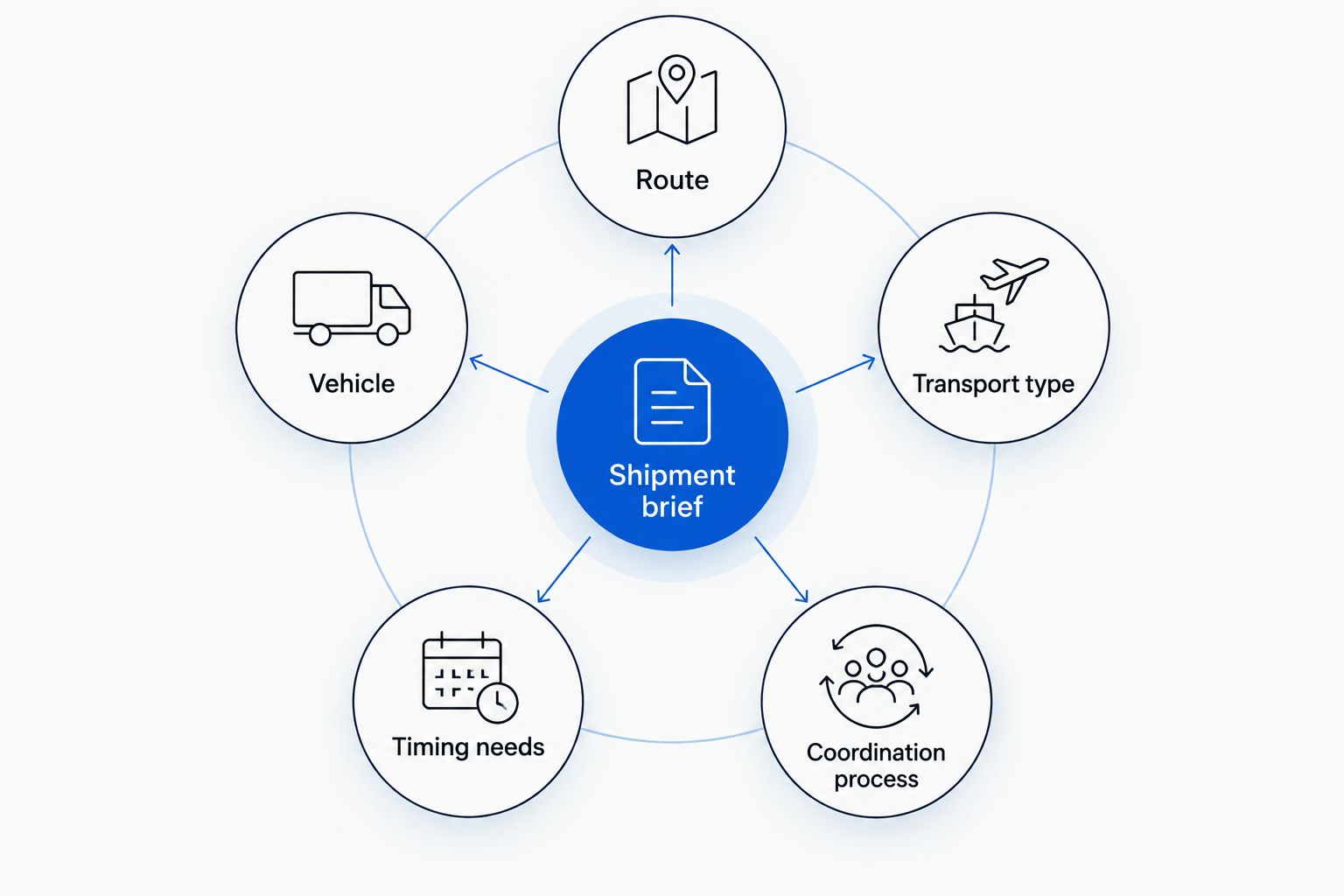
For your 2026 purchasing decision, give both providers the same shipment brief. Different assumptions about vehicle condition, access, or timing produce offers that are difficult to compare.
At a glance
The table below separates CHD's stated services from the conditions Navi Auto Transport would need to satisfy in your written proposal. It does not assign Navi features, policies, or performance results without evidence.
| Dimension | CHD | Navi Auto Transport |
|---|---|---|
| Best for | Buyers seeking recurring dealer, auction, and fleet coordination | Buyers whose specific shipment requirements are better met by its written offer |
| Standout feature | Carrier coordination, pickup planning, shipment status, and delivery management | Evaluate the specific coordination commitments in its proposal |
| Transport options | Arranges open, enclosed, expedited, and door-to-door shipping | Confirm the proposed transport type and handling requirements |
| Timing | Expedited transport offered; availability requires confirmation | Prefer its offer if the confirmed pickup arrangement better fits your release window |
| Documentation and coverage | Confirm shipment-specific carrier coverage and delivery documentation | Apply the same evidence requirements before booking |
| Business integrations | API and white-label offerings, with scope and availability confirmed individually | Confirm any required integration workflow directly |
| Pricing model | Request written quote, payment terms, and adjustment conditions | Request the same terms for an equivalent shipment |
| Decision evidence | Written scope must match the requested move | Written scope must match the requested move |
CHD fits recurring dealer and fleet coordination
CHD serves dealerships, auctions, and fleets and arranges both individual shipments and recurring commercial moves. If you regularly move auction purchases, dealer trades, or fleet vehicles, that stated scope gives you a relevant starting point for a commercial discussion.
The benefit is a defined coordination role. CHD works with carriers and helps you plan pickup, follow shipment status, and manage delivery. Your team should still identify who can release each vehicle and who will receive it.
The limitation matters: a brokerage coordinates transport; it is not a promise that the brokerage owns or operates the truck. Confirm who performs the physical move and who handles communication when a pickup plan changes.
For a 2026 recurring account, describe your actual workflow rather than asking only whether a provider ships cars. Include auction release requirements, dealership receiving hours, and the documentation your inventory team needs. Select Navi Auto Transport instead if its written commercial proposal fits those requirements better.
Navi wins timing only when its written plan fits better
Choose Navi Auto Transport on timing if its confirmed pickup arrangement fits your vehicle release window better than the alternative. That is a shipment-specific reason to choose it, not a claim about its overall delivery speed.
Separate the date you want from the date the provider has confirmed. Ask what remains subject to carrier assignment, vehicle release, access, or route changes. A requested delivery date should not become a guarantee through vague wording.
CHD offers expedited transport, but availability requires confirmation. You should not book it on the assumption that an expedited request automatically creates a confirmed pickup or delivery commitment.
Use 3 shipment milestones in your comparison: pickup arrangement, collection confirmation, and delivery coordination. Ask each provider who communicates each milestone and what happens when the plan changes. The stronger timing offer is the one that states its commitments and limitations clearly enough for your team to act.
Transport type is a requirement, not a brand contest
CHD arranges open and enclosed transport. Open transport carries vehicles on an exposed trailer; enclosed transport places them inside a trailer that reduces direct exposure to weather and road debris. Neither description establishes a shipment's insurance coverage or handling procedures.
Choose the transport type before comparing providers. For ordinary inventory movement, ask whether open transport meets your vehicle and handling requirements. For a collector purchase or a vehicle with specific protection needs, discuss enclosed transport and confirm loading requirements directly.
An enclosed trailer does not remove the need to disclose low clearance, vehicle modifications, or operating limitations. Likewise, door-to-door service does not mean a truck can enter every street, lot, or loading area.
Neither company wins this dimension merely by offering the transport type you requested. The useful comparison is whether the proposed carrier arrangement can handle your particular vehicle at both locations. Require Navi Auto Transport to confirm the same details rather than assuming its offer matches CHD's stated options.
Both offers need the same documentation standard
Do not use broad insurance language as a substitute for shipment-specific evidence. Before booking either provider in 2026, verify the applicable carrier policy limits, exclusions, deductibles, and vehicle eligibility. Confirm the procedure for reporting damage or a delivery discrepancy.
Keep 2 condition records: one at pickup and one at delivery. Photograph visible condition, identify existing damage, and make sure the person receiving the vehicle knows how to document a discrepancy before signing the delivery record.
For a dealership, connect delivery documentation to the correct vehicle and receiving location. Your inventory team should not have to reconstruct where a vehicle arrived or who accepted it.
CHD's coordination role does not replace the receiving team's inspection. Navi Auto Transport should be held to the same standard. This is a tie on buyer requirements, not a claim that the providers have identical coverage. Prefer the proposal that identifies the responsible parties and gives you a clear documentation process.
CHD has a stated business-integration offering
CHD offers API and white-label transport solutions for business partners. Scope and availability require confirmation for each integration, so the offering is a starting point for technical discovery—not a promise of universal compatibility.
If you operate a dealership platform or vehicle marketplace, describe the workflow you need supported. Distinguish a quote request from a shipment request, status visibility, or delivery-document handling. Ask which parts are available for your proposed integration and which remain outside scope.
The advantage is that CHD explicitly identifies this business-partner offering. The limitation is equally explicit: you must confirm the actual integration before committing your platform's workflow to it.
Do not infer Navi Auto Transport's integration capabilities from its consumer booking process. Request a documented response to the same workflow requirements. For a conventional dealer trade or auction purchase, an integration discussion is unnecessary unless your operation actually needs one.
Navi wins a straightforward move if its scope fits better
A recurring commercial program and an individual vehicle move need different levels of coordination. You do not need a platform integration or account-wide workflow to ship one purchased vehicle.
Choose Navi Auto Transport for that move if its written offer gives you the better fit: the requested transport type, an acceptable pickup arrangement, clear communication responsibilities, and delivery terms you can use. Those are genuine decision criteria even without a brand-wide ranking.
CHD also arranges individual vehicle shipments, including open, enclosed, expedited, and door-to-door options. Its commercial focus does not exclude a single shipment. But a broader service offering is not, by itself, a reason to choose it for your specific move.
Buy the relevant shipment plan, not unused services. If both offers meet the same requirements, compare their written payment, cancellation, and change terms before deciding. Avoid turning an attractive initial quote into a decision before the operational details are settled.
Pricing: compare obligations, not an isolated quote
For a 2026 booking, request written pricing terms from both providers using identical shipment details. Do not assume either provider uses a fixed, variable, deposit-based, or pay-on-delivery model without confirmation in its offer.
The important distinction is predictability versus flexibility. An offer with clearly defined charges and adjustment conditions gives you a firmer basis for approval. An offer that permits changes needs an equally clear explanation of what triggers them and when you can accept or decline.
Give each provider 5 shipment details before requesting a quote:
- Route: pickup and delivery locations, including access restrictions.
- Vehicle: identity, operating condition, and relevant modifications.
- Transport type: open or enclosed, plus handling requirements.
- Timing needs: release readiness and requested pickup and delivery windows.
- Coordination process: release contact, receiving contact, and required documentation.
Ask both providers when payment is due, what happens if the vehicle is not ready, and how cancellation or rescheduling is handled. A commercial buyer should also confirm whether the proposal covers an individual shipment or a recurring arrangement.
Neither provider earns a pricing win from an unqualified headline quote. Approve the offer whose financial obligations and transport scope you understand.
Final verdict: choose the proposal that matches the move
Choose CHD if you manage recurring commercial moves
CHD is the recommended starting point for a dealership, auction buyer, or fleet manager seeking recurring carrier coordination. Its stated services address pickup planning, shipment status, and delivery management, with open, enclosed, and expedited options.
Before booking, confirm the route-specific arrangement, release process, receiving requirements, and applicable coverage. For a commercial account, make communication responsibilities part of the agreed scope rather than leaving them to assumption.
Choose Navi Auto Transport if its shipment plan fits better
Navi Auto Transport is the recommended choice when its written offer better satisfies your actual shipment requirements. That includes an individual buyer whose release window, transport type, access needs, and delivery arrangements fit its proposal better.
The same rule applies to commercial buyers. A relevant service description earns a provider consideration; a workable, documented proposal earns the shipment.
| Dimension | Winner |
|---|---|
| Recurring commercial fit | CHD as a documented starting point |
| Pickup timing | Navi if its confirmed arrangement fits better |
| Transport type | Tie on the need for vehicle-specific confirmation |
| Documentation and coverage | Tie on the required evidence standard |
| Business integrations | CHD as a stated offering; confirm scope |
| Individual shipment fit | Navi if its written scope fits better |
| Pricing obligations | The clearer, acceptable written offer |
| Overall decision | The provider meeting your shipment requirements |
For recurring commercial transport, describe your routes, vehicle types, release arrangements, and receiving requirements before discussing an account.
Discuss recurring vehicle moves
Share your routes, vehicle types, timing needs, and pickup and delivery requirements.
FAQ
Is CHD better than Navi Auto Transport for dealerships?
CHD is a relevant starting point for dealerships because it explicitly offers recurring commercial vehicle moves and carrier coordination. Choose between the providers using written pickup, status, delivery, and documentation arrangements for your actual routes.
When should I choose Navi Auto Transport instead?
Choose Navi Auto Transport when its written shipment offer better meets your route, vehicle, timing, and handling requirements. Confirm the arrangement rather than relying on a general claim about speed or service quality.
Does CHD own the trucks that transport vehicles?
CHD is a transport brokerage that coordinates shipments with carriers. Confirm the assigned carrier and the communication responsibilities for your shipment before pickup.
Should I request open or enclosed auto transport?
Request open or enclosed transport according to your vehicle’s exposure and handling requirements. Enclosed transport reduces direct exposure to weather and road debris, but you still need to confirm loading procedures and applicable coverage.
Does expedited transport guarantee a delivery date?
An expedited transport request does not establish a guaranteed delivery date. CHD offers expedited transport with availability subject to confirmation; ask either provider to distinguish requested dates from confirmed commitments.
How do I compare transport costs in 2026?
Compare written offers based on the same route, vehicle condition, transport type, timing, and access requirements. Review payment timing, adjustment conditions, cancellation terms, and rescheduling responsibilities before approving an offer.
What insurance information should I check before booking?
Verify the applicable carrier policy limits, exclusions, deductibles, and vehicle eligibility for the specific shipment. Confirm how to document and report damage rather than treating broad insurance language as proof of coverage.
Can CHD support a vehicle-shipping integration?
CHD offers API and white-label transport solutions for business partners, with scope and availability confirmed for each integration. Describe the required workflow and obtain confirmation before planning around any specific capability.
One last thing
Before choosing a provider, call the pickup location and confirm that the vehicle is ready for release. Ask about keys, release authorization, operating condition, access, and loading hours.
That conversation tests whether your shipment brief reflects the actual pickup conditions. A provider cannot coordinate a workable collection around instructions that the release location cannot follow.
Related guides
- Navi Auto Transport alternatives
- Best fleet vehicle transport companies
- Best auction car transport companies