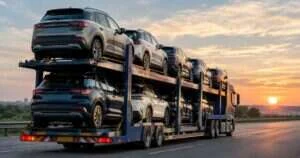
Your enclosed car shipping cost in 2026 depends on the route, vehicle, pickup window, and handling requirements; get a written shipment-specific quote rather than budget from a nationwide average. Check whether the estimate includes your actual loading needs, pickup access, and delivery arrangements, because a transport quote does not automatically include every special request.
- Your 2026 enclosed car shipping cost needs a route-specific quote, not a generic high-value vehicle rate.
- Car Haul Direct fits vehicle owners seeking a brokerage to coordinate enclosed transport with carriers.
- Enclosed auto transport limits exposure during transit; coverage still requires shipment-specific verification.
- Compare the same route, vehicle condition, pickup window, and handling requirements before choosing a quote.
Why this matters
A collector purchase needs more than a transport estimate. You need to know whether the proposed carrier can load the vehicle correctly, reach both locations, and work within the seller’s release conditions.
CHD coordinates transport with carriers rather than operating its own trucks. That distinction matters: the booking conversation should identify your requirements, while the assigned carrier’s equipment and applicable coverage need separate confirmation.
Choose the transport arrangement around the vehicle’s needs, then compare quotes for that same arrangement. A lower estimate for different handling or timing is not an equivalent offer.
How much does enclosed car shipping cost in 2026?
Enclosed car shipping requires a quote for your specific shipment. A meaningful estimate starts with the origin and destination, the vehicle’s size and operating condition, and the dates when it can actually be released and received.
Ask for a written breakdown that separates the transport scope from conditional services. Do not assume a headline estimate includes special loading equipment, storage, an inaccessible delivery address, or a change in schedule.
| Quote component | What you need to specify | What to confirm in writing |
|---|---|---|
| Route | Pickup and delivery locations | Whether the proposed locations are accessible |
| Vehicle | Year, make, model, modifications, and condition | Whether the quoted equipment suits the vehicle |
| Loading | Ground clearance and ability to roll, steer, and brake | Any special loading arrangements |
| Timing | Release date, pickup flexibility, and delivery needs | Which dates are estimates and which commitments are confirmed |
| Handoffs | Seller and recipient contacts | Who authorizes release and signs delivery documentation |
| Exceptions | Storage, location changes, or failed access | How changes affect the agreed scope |
An enclosed quote is useful only when its assumptions match the shipment. Keep those assumptions attached to the estimate so you can compare competing offers without reconstructing the details later.
Enclosed versus open transport: compare the service first
Enclosed and open transport solve different exposure requirements. Enclosed transport places the vehicle inside a trailer; open transport carries it without that surrounding enclosure.
Neither description establishes the carrier’s insurance terms, loading method, or pickup commitment. Use those as separate comparison points when reviewing enclosed car transport companies.
| Transport option | Best for | Main advantage | Main limitation |
|---|---|---|---|
| Enclosed transport | Owners prioritizing reduced exposure for a collector or high-value vehicle | An enclosure separates the vehicle from direct weather and road debris during transit | The enclosure alone does not confirm loading suitability or coverage |
| Open transport | Owners comfortable with an exposed trailer | Meets transport needs when an enclosure is not required | The vehicle remains exposed to weather and road debris |
| Expedited coordination | Owners with a time-sensitive move | Focuses the booking request on urgent timing needs | Carrier acceptance and route availability still require confirmation |
Expedited service is a timing request, not a substitute for choosing the right trailer. If you need enclosed transport and urgent pickup, state both requirements; do not let one disappear when the quote is revised.
For a 2026 collector shipment, start with the protection and handling you require. Then ask which scheduling options fit that scope.
Why enclosed car shipping quotes vary
The same vehicle can require different arrangements on different routes. These are the details to resolve before treating estimates as comparable:
- Route and access: Give the actual pickup and delivery locations, not just the nearest major cities. Restricted roads, gates, steep driveways, and limited turning space need review.
- Vehicle dimensions and modifications: Disclose changes that affect clearance, width, height, or loading. A stock model description does not explain an aftermarket splitter or lowered suspension.
- Operating condition: State whether the vehicle starts, rolls, steers, and brakes. Describe known faults before a carrier accepts the shipment.
- Pickup flexibility: Separate the earliest release date from the last acceptable pickup date. A seller’s appointment rules also belong in the request.
- Handling requirements: Identify special loading instructions, loose components, or restrictions on who can operate the vehicle. Confirm equipment rather than assuming it comes with enclosed service.
- Delivery requirements: Explain receiving hours, access restrictions, and who can inspect the vehicle. Changes after dispatch require coordination and review.
These factors define the work being quoted. Ask what happens if one changes, especially if the vehicle is not yet in your possession or the seller has not confirmed release.
What should you send to get an accurate enclosed quote?
Send a complete shipment brief before comparing estimates. Photos are useful for communicating clearance and condition, but they do not replace a written description of known limitations.
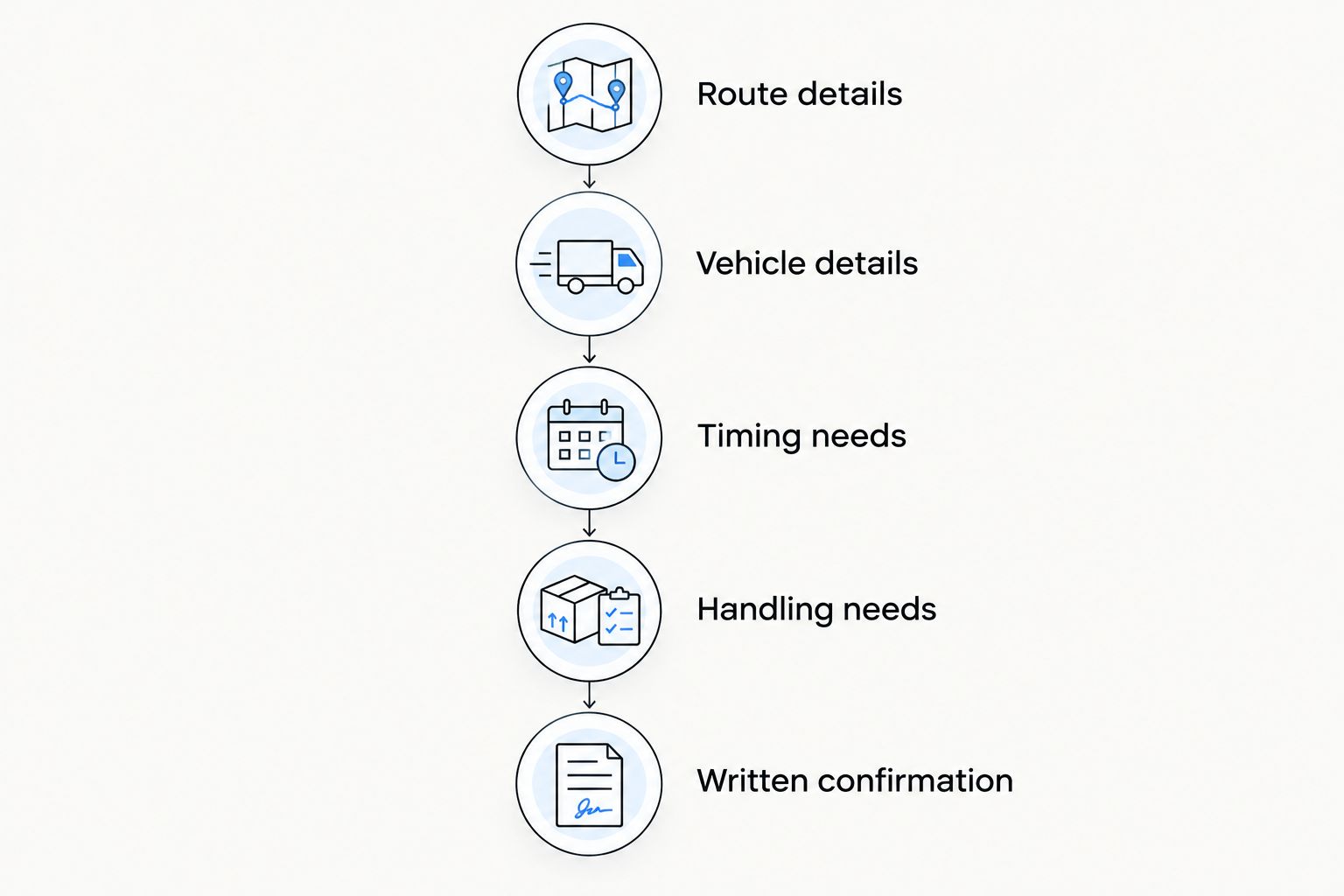
Use this sequence to make your request actionable:
- Route details: Provide pickup and delivery addresses, contact names, and access restrictions. Flag any location that cannot accommodate a transport truck.
- Vehicle details: Provide the year, make, model, operating condition, and relevant modifications. Include clear photos of low bodywork or unusual dimensions.
- Timing needs: State when the vehicle will be ready, the seller’s release hours, and any event or appointment that affects delivery.
- Handling needs: Explain clearance concerns and any loading instructions. Ask the coordinator to confirm the proposed carrier’s equipment.
- Written confirmation: Request the agreed scope, scheduling terms, applicable coverage information, and instructions for changes.
A complete brief does not guarantee a particular pickup date. It gives the coordinator the information needed to seek a suitable carrier and identify conflicts before dispatch.
What should a high-value vehicle quote confirm?
A high vehicle value does not establish a carrier’s coverage or a trailer’s suitability. Ask for confirmation tied to the actual vehicle and proposed shipment.
Loading and unloading
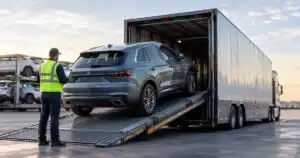
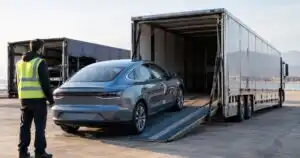
Tell the coordinator about low ground clearance, modified suspension, wide tires, and any starting or braking issue. Ask how the proposed carrier will load and unload the vehicle without treating a particular ramp or lift arrangement as standard.
Do not leave special instructions with the seller alone. Put them into the shipment request so the coordinator can address them with the carrier before pickup.
Coverage and exclusions
Request the applicable policy limits, exclusions, deductibles, and vehicle eligibility. Ask how those terms apply to your vehicle rather than relying on a general statement that a carrier is insured.
An enclosed trailer is not an insurance policy. Keep the carrier’s coverage information separate from the transport description and clarify the claims process before release.
Status and handoffs
Confirm who will communicate pickup changes and shipment status. Also establish whom the seller should contact if the driver arrives outside the expected appointment window.
CHD helps customers plan pickup, follow shipment status, and manage delivery. Ask which communication arrangements apply to your shipment instead of assuming continuous location tracking or a specific update schedule.
How do you compare enclosed shipping estimates fairly?
For your 2026 move, send every provider the same written brief. If one provider changes the pickup window, trailer requirement, or loading assumption, ask for an updated comparison rather than judging the original estimates side by side.
Check these items before you authorize booking:
- The quote describes the correct vehicle and operating condition.
- Both locations reflect the actual handoff plan.
- Enclosed transport remains part of the written scope.
- Special handling requirements have an explicit response.
- Timing estimates are distinguished from confirmed arrangements.
- Payment, cancellation, and change terms are available for review.
A clear estimate explains what you are agreeing to and what remains subject to confirmation. An unexplained assurance such as guaranteed protection does not answer those questions.
Keep the final version of the quote with your shipment documents. If a later message changes the scope, request written clarification before the vehicle is released.
Does enclosed shipping guarantee a damage-free delivery?
Enclosed shipping does not guarantee a damage-free delivery. It limits direct exposure during transit, but loading, unloading, handling, and the applicable coverage terms still matter.
Document the vehicle before pickup with clear photographs and a written condition record. Include existing marks and vulnerable areas so the pickup inspection has useful context.
At delivery, compare the vehicle with the condition documentation before signing. If you identify a discrepancy, record it on the delivery paperwork and promptly follow the carrier’s reporting instructions; photographs alone do not replace that process.
Can you book enclosed transport around a fixed event date?
You can request enclosed transport around an event date, but a request is not a confirmed delivery commitment. Explain the event deadline before booking and ask what timing the proposed carrier can accept.
For a 2026 show, auction collection, or purchase handoff, work backward from when someone must receive the vehicle. Include the seller’s release arrangements and the recipient’s receiving hours, not just the date you want the truck to arrive.
Do not assume expedited coordination guarantees a particular outcome. Confirm availability and make a receiving plan for any timing changes described in the booking terms.
What should happen before pickup and at delivery?
Before pickup, make sure the seller knows who can authorize release and where the carrier can safely load. Confirm that the keys, vehicle documents needed for the handoff, and condition information are accessible to the responsible contact.
Remove loose personal items unless the carrier has explicitly accepted them under the shipment terms. Disclose anything that changes the vehicle’s loading condition rather than leaving the driver to discover it at arrival.
At delivery, arrange for an authorized person to inspect and sign. That person should have access to the pickup condition record and know whom to contact if the vehicle or paperwork does not match expectations.
The handoff plan belongs in the booking conversation, not in a last-minute message to the driver. Clear contacts and release instructions address coordination problems that an enclosed trailer cannot solve.
FAQ
How do I find my enclosed car shipping cost in 2026?
Get a written quote using your exact route, vehicle condition, pickup window, and handling requirements. Confirm the estimate’s assumptions before comparing it with another offer.
Is enclosed car shipping better than open transport for a collector car?
Enclosed shipping is the better fit when limiting direct weather and road-debris exposure is a priority. You still need to confirm loading suitability and applicable coverage for the vehicle.
Does an enclosed shipping quote include special loading equipment?
Do not assume special loading equipment is included. Describe clearance and operating limitations, then ask for written confirmation of the proposed loading arrangement.
Can a non-running car travel in an enclosed trailer?
A non-running car needs a carrier and loading arrangement that can accommodate its condition. State whether it rolls, steers, and brakes before requesting confirmation.
Does expedited enclosed shipping guarantee my delivery date?
Expedited coordination does not by itself guarantee a delivery date. Confirm carrier availability and the specific timing terms before booking.
What insurance details should I check for a high-value car?
Check the applicable policy limits, exclusions, deductibles, and vehicle eligibility for the proposed shipment. Ask how to report damage and which documentation the carrier requires.
What should I do if the delivery address has limited truck access?
Disclose limited access before booking and confirm a suitable handoff location. Do not assume door-to-door transport means a large trailer can enter every driveway or restricted street.
One last thing
A precise street address is not the same as a workable loading location. Before you approve a 2026 enclosed shipment, ask both handoff contacts to confirm truck access, appointment rules, and who can authorize the vehicle’s release.
Send CHD your route, vehicle details, timing needs, and handling requirements. Get a transport quote with those details attached so the conversation starts with the shipment you actually need.
Related guides