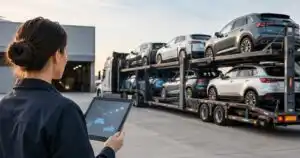
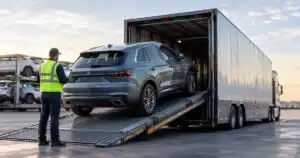
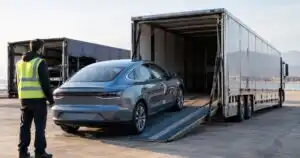
Yes, you can ship a non-running classic car if the carrier confirms a safe way to load, secure, and unload it at both locations. A car that rolls and steers needs a different loading plan from one with locked wheels, missing suspension, or structural damage; disclose those conditions before booking.
- Can you ship a non running classic car? Yes, with a carrier-approved loading and unloading plan.
- A winch alone does not solve locked wheels, failed steering, or unsafe attachment points.
- Choose enclosed transport for weather protection, but confirm loading equipment separately.
- CHD coordinates auto transport through carriers; confirm acceptance of your classic car’s condition before booking.
Can you ship a non-running classic car?
A non-running classic car is transportable when its condition matches the carrier’s equipment and handling plan. The engine does not need to run for every transport arrangement, but the vehicle must be loaded and secured safely. Start with the mechanical condition, not just the description “project car.”
Use this condition check when discussing inoperable vehicle transport. These are loading scenarios, not automatic acceptance rules.
| Vehicle condition | What to confirm | Best for | Main limitation |
|---|---|---|---|
| Rolls, steers, and brakes but will not start | Approved winching method and unloading procedure | Complete classics with an engine or electrical fault | Ground clearance and attachment points still need review |
| Rolls and steers but has no working brakes | How the vehicle will remain controlled during loading and unloading | Projects with otherwise movable running gear | Uncontrolled movement requires a specific handling plan |
| Has locked wheels or damaged steering | Equipment and assistance needed at both addresses | Projects needing specialized handling | A standard winch arrangement alone is insufficient |
| Has missing wheels, suspension, or major structural damage | Whether the carrier accepts the vehicle and how it will be supported | Restoration shells requiring an individually approved plan | Standard vehicle transport must not be assumed suitable |
Tell the coordinator what you have verified and what remains unknown. An unknown brake condition is not the same as working brakes.
Why this matters
The biggest planning mistake is treating “does not start” as a complete condition report. A classic with an electrical fault and a restoration shell without running gear present different handling problems. The carrier needs enough detail to distinguish them before arriving.
For a 2026 shipment, prepare a current condition description rather than relying on an old auction listing. Tires lose air, batteries discharge, and parts get removed during restoration. Describe the car as it sits now.
The pickup and delivery locations matter just as much. Equipment available at a seller’s workshop does not establish how the car will come off the trailer at your home.
A rolling non-runner: confirm controlled loading
A complete car that rolls, steers, and brakes gives the carrier more handling options than an immobile shell. Confirm those functions individually, even if the seller says the car “moves fine.”
Ask the seller to report the condition of all 4 tires, whether the steering turns, whether the brakes hold, and whether the transmission can enter neutral. Do not ask anyone to test movement on a slope or attempt an unsafe push test.
A winch provides pulling force; it does not repair steering or make a weak attachment point safe. Let the carrier approve the loading method and attachment points. Rusted structure, low bodywork, and loose components need attention before anyone starts pulling.
An immobile project: confirm handling at both ends
Locked wheels, collapsed suspension, and missing running gear require a different discussion from an engine that will not start. Send clear photographs showing the affected areas and explain whether the vehicle can move at all.
Do not assume a forklift is acceptable because one is present at pickup. Lifting a vehicle without an approved method can damage its structure, underbody, or bodywork. The carrier must confirm the equipment and handling arrangement before dispatch.
Verify access and unloading assistance at 2 locations: pickup and delivery. If the receiving restoration shop must provide equipment, confirm that arrangement directly with the shop and transport coordinator before the move is scheduled.
Open or enclosed transport for a non-running classic?
Choose the trailer for protection needs, then confirm its loading capability separately. Enclosed transport shields the car from direct weather exposure during transit, but enclosure alone does not establish that the trailer can handle your non-runner.
| Transport option | Best for | Advantage | Limitation to address |
|---|---|---|---|
| Open transport | Projects whose owners accept outdoor exposure | Suitable when enclosure is not part of the handling requirement | The vehicle remains exposed to weather and road debris |
| Enclosed transport | Collectors prioritizing protection for paint, trim, or vulnerable interiors | Separates the vehicle from direct outside exposure in transit | Loading equipment, clearance, and vehicle acceptance still require confirmation |
Fresh paint, loose trim, an incomplete roof, or an exposed interior should enter the conversation before you select transport. Do not treat a temporary cover as a substitute for a confirmed protection plan; ask the carrier whether it accepts any proposed cover.
For 2026 planning, compare the actual handling arrangements rather than assuming every enclosed trailer has identical equipment. Ask how the car enters the trailer, how clearance is checked, and how it will be unloaded without engine power.
Why non-running classic car transport requirements vary
The right arrangement depends on the route, vehicle, transport type, timing needs, and coordination process. These factors determine what must be confirmed:
- Rolling and steering condition: Locked wheels or damaged steering change how the car can move onto the trailer.
- Braking and transmission condition: The carrier needs to know whether the car can be held in place and placed in neutral.
- Ground clearance and structure: Low bodywork and corroded attachment areas affect the loading assessment.
- Transport type: Open and enclosed trailers provide different exposure protection, but neither label confirms loading capability.
- Site access: Narrow drives, restricted streets, soft surfaces, and limited maneuvering space affect the pickup plan.
- Timing and assistance: Seller access, workshop hours, and required equipment must align. Expedited handling depends on confirmed carrier availability and suitability.
A shorter route does not remove a loading problem. Resolve handling requirements before treating the shipment as ready for dispatch.
How do you prepare a non-running classic car for shipping?
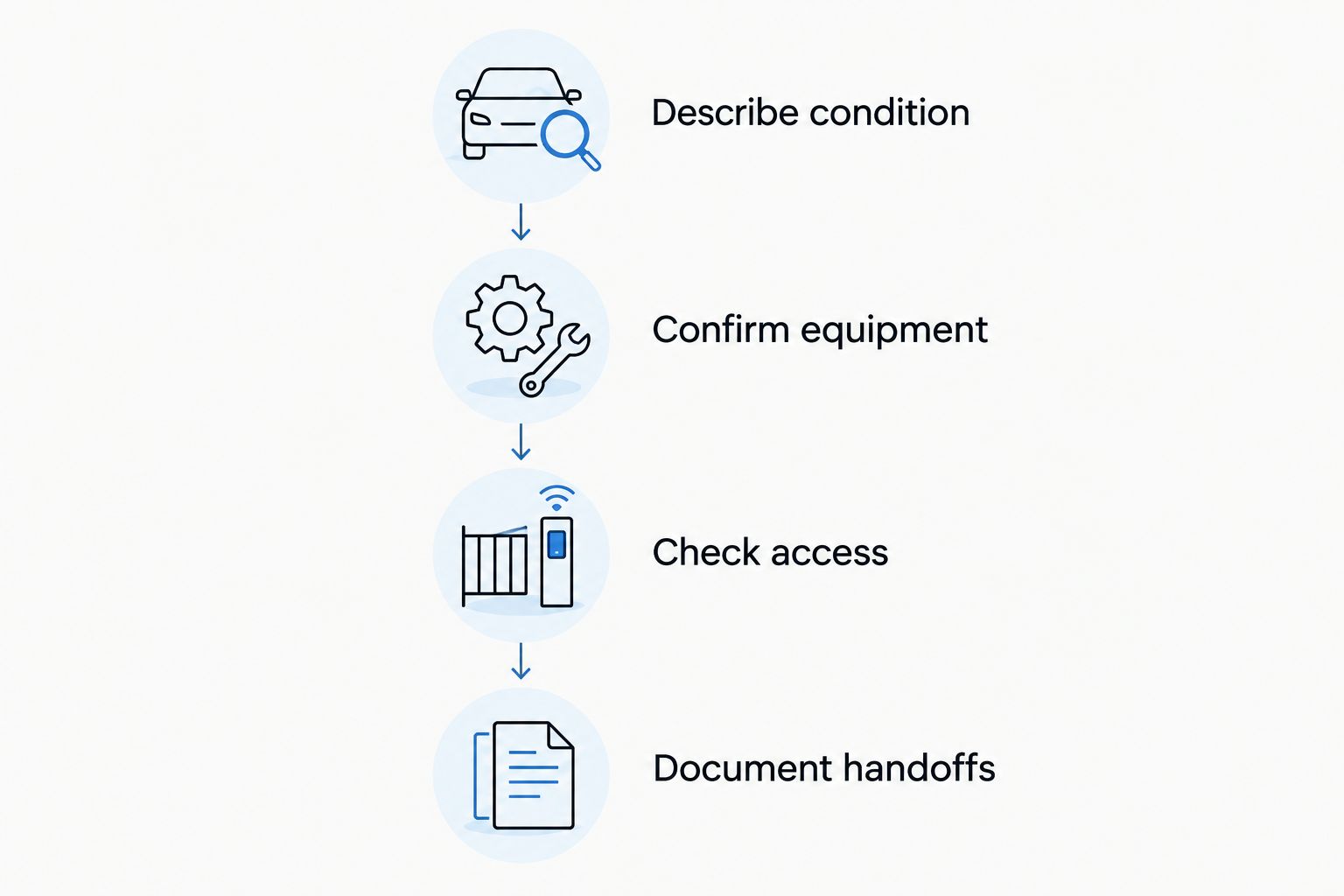
Build your 2026 handoff around a written condition summary, clear photographs, and a confirmed plan at each address. Follow these steps before the carrier arrives.
1. Describe condition
Provide the year, make, model, modifications, and known reason the car does not run. State separately whether it rolls, steers, brakes, and enters neutral. Disclose leaks, loose panels, damaged glass, missing components, and anything likely to interfere with loading.
Use photographs to show the full vehicle, wheel positions, low bodywork, and visible damage. If a measurement is needed to check clearance, ask which measurement the carrier requires rather than guessing.
2. Confirm equipment
Ask the coordinator to confirm that the assigned carrier accepts the disclosed condition. Discuss winching, clearance, attachment points, and any assistance required from the seller or receiver.
A statement that a truck “has a winch” is not a complete loading plan. Confirm how the vehicle will move safely and what happens if its condition differs from the description.
3. Check access
Give the coordinator accurate pickup and delivery addresses, contact names, operating hours, and access restrictions. Explain whether the car is inside a garage, behind other vehicles, or on a surface that complicates movement.
Door-to-door coordination depends on safe, permitted truck access. If the truck cannot reach the vehicle, agree on an accessible handoff arrangement and how the non-running car will reach it.
4. Document handoffs
Plan 2 condition inspections: one at pickup and one at delivery. Photograph existing damage, record visible condition on the transport documentation, and keep copies of the paperwork.
At delivery, inspect before signing the condition acknowledgment. Record any new visible damage or discrepancy promptly, and follow the carrier’s documented reporting instructions.
What should you confirm about insurance before shipping?
Confirm the applicable carrier policy rather than assuming every classic car receives identical protection. Ask about limits, exclusions, deductibles, vehicle eligibility, and how a claim would be reported. Review whether loading and unloading incidents fall within the applicable coverage.
A purchase receipt, restoration invoice, or owner’s valuation does not by itself establish the policy’s settlement terms. Ask how value is determined and whether the vehicle’s condition or modifications affect eligibility.
Keep insurance confirmation with your 2026 shipment records. Condition photographs support the record of the move; they do not replace policy terms or establish coverage by themselves.
Who can coordinate the carrier and pickup details?
Car Haul Direct is a transport brokerage coordinating carriers, not a truck-owning carrier. CHD auto transport coordination is best for collectors who want a brokerage to coordinate carrier selection, pickup, shipment status, and delivery details. Acceptance of a particular non-running vehicle and its handling requirements must be confirmed.
Provide the route, vehicle details, transport preference, timing needs, and condition photographs when requesting coordination. The limitation is practical: a brokerage arrangement does not make every trailer suitable for every restoration project.
Before authorizing the move, ask for confirmation of the carrier’s acceptance and the responsibilities at each address. Keep the seller and receiving shop involved when either must provide access or handling assistance.
Get a transport quote
Provide the route, classic car details, rolling condition, access restrictions, and preferred transport type.
FAQ
Can you ship a non-running classic car in 2026?
Yes, you can ship a non-running classic car in 2026 when the carrier accepts its condition and confirms safe loading and unloading. Disclose whether it rolls, steers, brakes, and enters neutral before booking.
Can a classic car be shipped if the wheels are locked?
A classic car with locked wheels requires an individually confirmed handling plan. Tell the coordinator which wheels are affected and confirm suitable equipment at pickup and delivery before dispatch.
Does enclosed transport include a winch?
Do not assume enclosed transport includes a winch or suitable equipment for your car. Ask the coordinator to confirm the assigned trailer’s loading method, clearance, and acceptance of the vehicle’s condition.
Can I ship a non-running classic car with loose restoration parts inside?
Confirm acceptance of loose restoration parts before placing them inside the car. Provide an inventory and ask how accepted parts must be secured, documented, and treated under the applicable coverage.
Can the carrier pick up my classic from inside a garage?
Garage pickup requires confirmation of access and a safe way to move the car to the loading position. Explain the surface, clearance, slope, and distance between the vehicle and the truck’s accessible stopping point.
Is a non-running classic automatically covered for its full value?
No, a non-running classic is not automatically covered for the value you assign to it. Confirm applicable limits, exclusions, deductibles, eligibility, and valuation terms before shipping.
What should I send CHD for a non-running classic car quote?
Send CHD the route, vehicle details, transport preference, timing needs, photographs, and an accurate description of rolling, steering, and braking condition. Include access restrictions and any assistance required at either address.
One last thing
Write the unloading plan before approving pickup. A seller’s equipment can solve the first handoff while leaving the receiving address unprepared. Ask who will control the car as it leaves the trailer, where it will be placed, and what equipment must be ready.
For your 2026 shipment, keep that agreement beside the condition report and contact details. A clear destination plan is part of preparing a non-running classic—not a detail to resolve after arrival.
Related guides
- Choosing classic car shipping companies
- Comparing enclosed car transport companies
- Auto transport for classic car auction houses