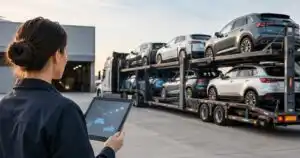
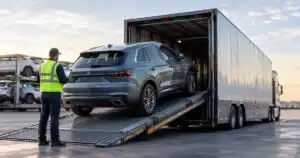
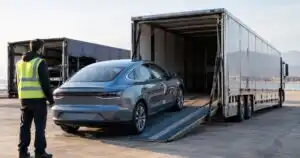
Best overall for dealership-led online sales: Car Haul Direct, a brokerage coordinating carriers and delivery handoffs. Best for standard inventory: open transport. Best for collector vehicles: enclosed transport. This 2026 guide compares the coordination model and transport options you need to move an online sale from seller release to buyer receipt.
- CHD is the best fit here for dealership online sales needing carrier coordination, pickup planning, and delivery follow-up.
- Choose the best car shipping companies for online vehicle sales by route, vehicle requirements, timing, and handoff accountability.
- Open transport suits standard inventory; enclosed transport addresses vehicles needing protection from direct weather and road exposure.
- Confirm expedited availability and delivery access before giving the buyer a transport commitment.
Why this matters
An online vehicle sale creates a transport handoff between people who do not necessarily work together. The seller controls release, the carrier handles movement, and the buyer needs a clear delivery plan. A payment confirmation does not establish that the vehicle is ready for pickup.
The best shipping arrangement connects those responsibilities before dispatch. For a dealership or marketplace seller, that means recording the route, vehicle condition, transport type, release requirements, and receiving contact in one shipment brief.
In 2026, choose the provider around that task rather than a broad claim about speed. This guide ranks brokerage coordination and shipping options by use case; it does not treat different services as interchangeable companies.
What makes the best car shipper for online sales
Use these criteria before comparing recommendations. They tell you whether a transport arrangement matches the transaction, not just whether someone will accept the booking.
- Route and access fit: Confirm the origin, destination, loading access, and any alternate meeting location before describing the shipment as door-to-door.
- Vehicle handling fit: Disclose whether the vehicle starts, rolls, steers, and brakes. Include modifications, low clearance, and special handling requirements.
- Release coordination: Identify who can authorize pickup, provide keys, and complete the seller's release process.
- Timing accountability: Separate requested dates from confirmed arrangements. Ask who communicates a change and what the buyer should expect next.
- Condition documentation: Establish how the pickup condition and delivery condition will be recorded and reviewed.
- Carrier and coverage verification: Verify the assigned carrier and the applicable policy limits, exclusions, deductibles, and vehicle eligibility rather than assuming blanket protection.
For your 2026 selection, make these requirements part of the shipment brief. A provider's response should explain the next action and its owner, not simply repeat that transport is available.
Online vehicle shipping options at a glance
The rows below follow the ranked sections. The first recommendation is a brokerage; the remaining recommendations are transport options you can request through a brokerage or discuss with a carrier.
| Recommendation | Best for | Standout function | Key limitation |
|---|---|---|---|
| CHD brokerage coordination | Dealership-led online sales | Coordinates carriers, pickup planning, shipment status, and delivery | Does not own the transport trucks; shipment requirements need confirmation |
| Open transport | Standard inventory deliveries | Moves vehicles on an open trailer | Leaves vehicles exposed to weather and road conditions |
| Enclosed transport | Collector and exposure-sensitive vehicles | Uses an enclosed trailer | Enclosure alone does not establish loading suitability or insurance coverage |
| Expedited transport | Time-sensitive seller release | Prioritizes a timing requirement in transport planning | Availability requires confirmation; urgency is not a delivery guarantee |
| Door-to-door transport | Buyer deliveries with suitable access | Plans pickup and delivery around the stated addresses | Truck access can require an alternate meeting point |
1. CHD brokerage coordination: best for dealership online sales
Best for: Dealerships arranging transport after an online vehicle sale, including businesses with recurring moves.
CHD is a nationwide transport brokerage that coordinates carriers rather than operating its own trucks. The team helps customers plan pickup, follow shipment status, and manage delivery, with open, enclosed, expedited, and door-to-door options.
For a dealer, the useful distinction is coordination across the transaction. Your sales team needs to know who releases the vehicle, who receives it, and who communicates shipment changes. Brokerage coordination fits that need without making truck ownership part of the promise.
CHD pros:
- Coordinates transport with carriers instead of leaving you to organize each handoff independently.
- Supports both individual shipments and recurring commercial moves.
- Offers different transport types for different vehicle requirements.
- Helps customers with pickup planning, shipment status, and delivery management.
CHD cons:
- Brokerage coordination does not mean the company owns or directly operates the assigned truck.
- Special handling, access requirements, and expedited availability need shipment-specific confirmation.
- Coverage cannot be inferred from the brokerage relationship; verify the applicable carrier policy.
Before requesting transport, provide the origin and destination, vehicle details, transport preference, timing needs, and release contacts. For recurring sales, explain how your team marks a vehicle ready and who receives updates.
Verdict: Buy this coordination model when your dealership needs a defined handoff process, not just a carrier contact.
2. Open transport: best for standard inventory deliveries
Best for: Online sales of standard vehicles without a requirement for enclosed transport.
Open transport moves vehicles on a trailer without an enclosed outer body. It fits transactions where direct weather exposure is acceptable and the vehicle's dimensions and condition suit the assigned equipment.
For your 2026 delivery plan, start with the actual vehicle rather than assuming every stock unit has identical requirements. Modifications, damage, and operating condition belong in the booking brief.
Open transport pros:
- Provides a straightforward option when enclosure is not a vehicle requirement.
- Lets you reserve enclosed transport for transactions that specifically need it.
- Fits a repeatable dealership checklist for vehicle readiness and release.
Open transport cons:
- Does not shield the vehicle from direct weather and road exposure.
- Does not remove the need to confirm loading suitability or document condition.
Ask the buyer whether enclosure is a requirement before choosing open transport. Do not turn an unstated preference into a dispute after the carrier arrives.
Verdict: Buy open transport for standard inventory when vehicle suitability and buyer expectations are confirmed.
3. Enclosed transport: best for collector vehicle sales
Best for: Collector purchases and other transactions where protection from direct exposure is a stated requirement.
Enclosed transport uses a trailer that surrounds the vehicle. It addresses an exposure requirement, but the trailer category alone does not answer questions about clearance, loading equipment, or permitted handling.
Keep the collector discussion separate from your standard-inventory process. Describe the vehicle's handling requirements, record its condition, and confirm what the assigned equipment can accommodate.
Enclosed transport pros:
- Separates the vehicle from direct weather and road exposure during transport.
- Matches a buyer's explicit request for an enclosed trailer.
- Creates a clear reason to discuss loading and handling requirements before assignment.
Enclosed transport cons:
- Enclosure does not guarantee suitability for every low-clearance or modified vehicle.
- Trailer type does not establish policy limits, exclusions, or vehicle eligibility.
Request confirmation of the loading arrangement instead of relying on the word enclosed. Share relevant vehicle measurements when the carrier needs them to assess fit; do not substitute a general vehicle description for a specific clearance concern.
Verdict: Buy enclosed transport when exposure protection is required; hold the booking until handling suitability is confirmed.
4. Expedited transport: best for time-sensitive release
Best for: Online transactions where pickup timing is a material requirement.
Expedited transport puts a time-sensitive request into the transport plan. Availability still requires confirmation, and the requested pickup window must remain separate from an assumed arrival commitment.
Before making a 2026 expedited request, establish whether the vehicle is actually released. An urgent booking cannot resolve missing keys, incomplete seller authorization, or a closed pickup location.
Expedited transport pros:
- Makes the timing priority explicit when transport is arranged.
- Helps distinguish an urgent release requirement from a flexible shipment.
- Prompts the seller and buyer to identify constraints before booking.
Expedited transport cons:
- Requires availability confirmation for the route and vehicle.
- Does not justify promising an unconfirmed pickup or delivery date.
Give the coordinator the requested window and explain why it matters. Identify any pickup-hour restriction and the person authorized to handle a change. Then communicate only the arrangement that has been confirmed.
Verdict: Hold expedited transport until availability and the pickup arrangement are confirmed.
5. Door-to-door transport: best for accessible buyer deliveries
Best for: Online sales where the seller's and buyer's locations can accommodate the transport vehicle.
Door-to-door transport plans collection and delivery around the specified addresses. It does not mean every driveway, residential street, or dealership entrance is suitable for a loaded carrier.
Confirm access at both ends. Gates, turning space, overhead clearance, parking restrictions, and safe loading areas affect where the handoff can happen.
Door-to-door transport pros:
- Organizes the shipment around the seller's and buyer's locations.
- Gives each party a defined receiving or release responsibility.
- Allows access questions to be settled before arrival.
Door-to-door transport cons:
- Restricted access can require an alternate meeting location.
- The receiving person still needs to coordinate the handoff and inspect the vehicle.
Ask the buyer to describe the delivery location, not simply supply a street address. If an alternate location is necessary, confirm it with the carrier and recipient before communicating the final handoff plan.
Verdict: Buy door-to-door transport when access is confirmed; hold the address-specific promise when it is not.
How these recommendations are ranked
The ranking starts with the dealership's coordination task, then separates transport choices by vehicle exposure, timing, and delivery access. Each recommendation owns a different decision; enclosed transport does not replace release planning, and expedited transport does not replace access checks.
Choose coordination first, then specify the transport requirements. The criteria are operational fit, clear responsibilities, condition records, and shipment-specific verification—not unsupported company scores or delivery guarantees.
Which shipping arrangement should you choose?
For dealership-led online sales, default to brokerage coordination with a documented shipment brief. Choose open transport when enclosure is not required, enclosed transport when exposure protection matters, and expedited service only after availability is confirmed. Add door-to-door planning where access permits it.
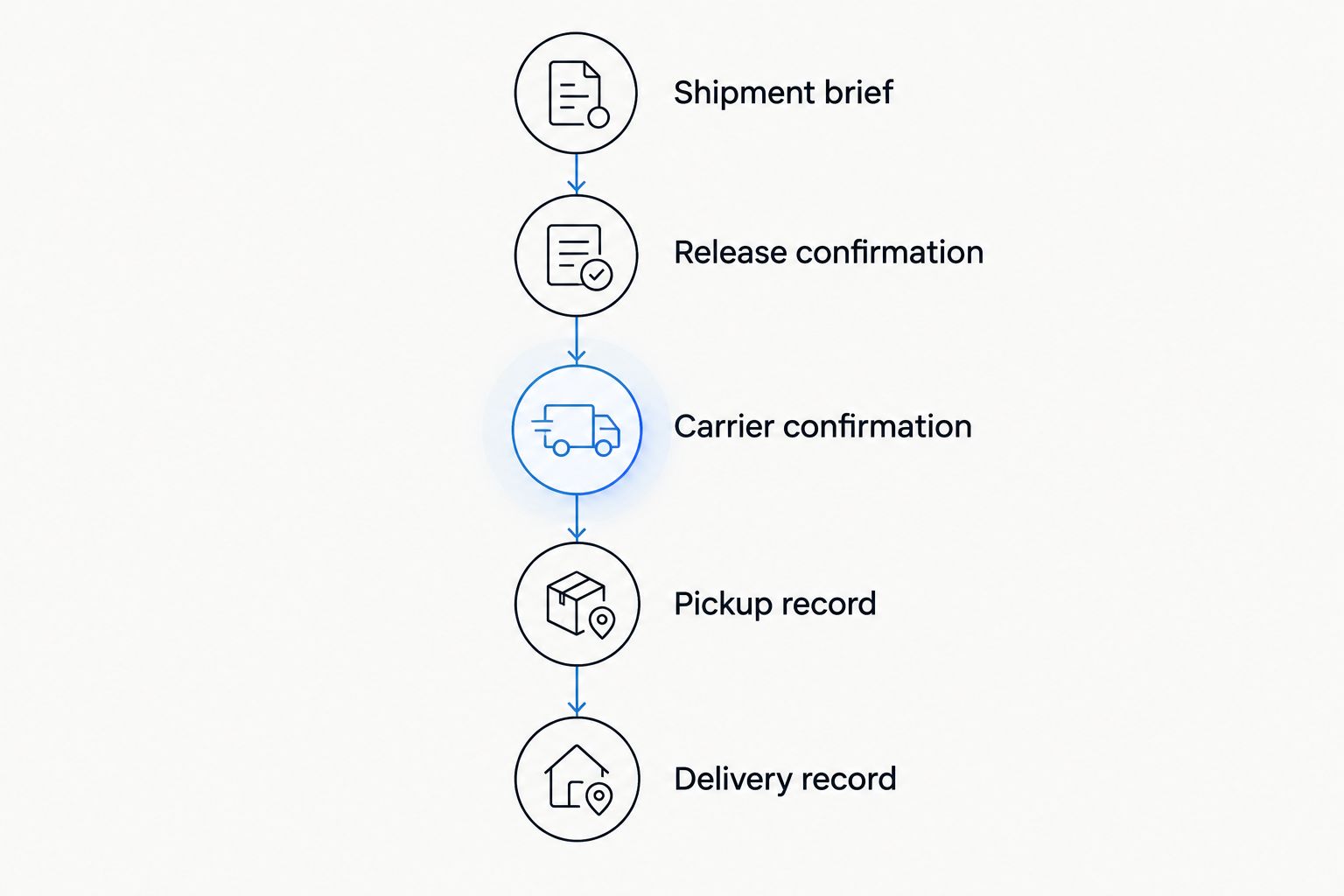
For recurring online sales in 2026, standardize the handoff instead of treating each vehicle as a new process. Use the following sequence for every booking:
- Shipment brief: Record the route, vehicle, transport type, timing request, and special requirements.
- Release confirmation: Confirm authorization, keys, pickup hours, and the vehicle's readiness.
- Carrier confirmation: Verify the assigned arrangement, loading suitability, and applicable coverage details.
- Pickup record: Document condition and confirm that the correct vehicle is released.
- Delivery record: Have the recipient inspect the vehicle and record any discrepancy before completing the handoff documentation.
Keep 2 named contacts per shipment in your operating checklist: the releasing contact and the receiving contact. Assign backups where needed. These are recommended responsibilities, not a substitute for the coordinator's own contact information.
Before pickup, complete 4 readiness checks: release authorization, keys, vehicle operating condition, and site access. Record 3 handoff checkpoints: seller release, carrier pickup, and buyer receipt. Those checkpoints give your team a consistent way to identify where an unresolved issue belongs.
Discuss recurring vehicle moves
Share your sales routes, vehicle requirements, release process, and shipment timing needs.
FAQ
What’s the best car shipping arrangement for online dealership sales?
Brokerage coordination is the best fit when your dealership needs carrier arrangement, pickup planning, status follow-up, and delivery coordination. Specify the transport type separately according to the vehicle, route, timing, and access requirements.
Is open or enclosed transport better for an online vehicle purchase?
Open transport fits vehicles without an enclosure requirement; enclosed transport fits transactions requiring protection from direct weather and road exposure. Confirm loading suitability and handling requirements for either option.
Does a transport brokerage own the trucks moving my vehicle?
A transport brokerage coordinates carriers rather than necessarily owning the trucks. Confirm the assigned carrier and its responsibilities before pickup instead of treating the brokerage and carrier as the same operator.
Can expedited shipping guarantee my buyer’s delivery date?
Do not treat expedited shipping as a delivery guarantee. Confirm route-specific availability and the pickup arrangement, then distinguish requested dates from confirmed shipment commitments.
What should a dealership provide before booking vehicle transport?
Provide the pickup and delivery locations, vehicle details, operating condition, transport preference, timing needs, and release and receiving contacts. Include access restrictions, modifications, and special handling requirements before carrier assignment.
Does door-to-door shipping mean delivery to the buyer’s driveway?
Door-to-door shipping requires suitable access and does not promise a driveway handoff at every address. Confirm the carrier’s access requirements and agree on an alternate meeting point if the stated location is unsuitable.
What determines the transport estimate for an online vehicle sale?
The shipment’s route, vehicle requirements, transport type, timing request, and access conditions inform the transport estimate. Describe those requirements consistently when comparing arrangements, and confirm the terms before booking.
One last thing
A vehicle marked sold is not automatically ready to ship. Before dispatch, ask the releasing contact to confirm authorization, keys, operating condition, and access—not just that the transaction is complete.
Make that confirmation part of your 2026 sales handoff. It gives the transport coordinator actionable information and keeps your buyer's delivery expectations tied to an actual release plan.
Related guides