TLDR; The article explains how proper vehicle prep can affect pickup speed, pricing, carrier acceptance, claims handling, and delivery results. That’s why a clear vehicle shipping checklist matters; in many cases, it can help prevent delays and confusion.
Its 15-step process includes booking 4 to 6 weeks ahead, comparing 3 to 5 quotes, checking broker or carrier credentials, and confirming insurance. It also covers washing and photographing the car, noting any existing damage, removing personal items and toll tags, checking basic mechanical condition, and leaving about a quarter tank of gas, which is usually enough.
It also stresses careful inspections with the driver at pickup and again at delivery, using the bill of lading to record the vehicle’s condition accurately. That step often matters most if a dispute comes up later.
There’s also extra guidance to help readers choose between open and enclosed transport and prepare for special situations like EVs, inoperable vehicles, snowbird moves, and high-value cars, which often need extra planning.
Shipping a vehicle sounds simple. Then pickup day arrives and the little things suddenly matter a lot. A toll tag can rack up charges halfway across the country, a full fuel tank adds weight you don’t need, and an undocumented scratch can quickly turn into a dispute. Small stuff, but it counts. A solid car shipping preparation checklist helps lower risk before the carrier even shows up.
For consumers relocating, snowbirds heading south, military families changing duty stations, online car buyers, and businesses moving inventory, preparation affects more than pickup day. It can shape pickup efficiency, claims handling, cost, carrier acceptance, and delivery timing. In 2025, IBISWorld values the vehicle transport market at $10.5 billion, showing this is a mature logistics category. Even so, the customer experience still depends a lot on how well the car is prepared before loading (IBISWorld).
This guide covers a full vehicle shipping checklist built around 15 practical steps. Readers will learn how to prepare a car for shipping before booking, then what to handle in the final 48 hours. It also explains how to document condition the right way and what to inspect at both pickup and delivery. A few details can make a big difference. The guide covers open versus enclosed transport, timing expectations, EV and specialty-vehicle considerations, and the paperwork details people may miss. Keep the checklist close for an easier handoff and fewer surprises.
Why the Car Shipping Preparation Checklist Matters More Than Most Shippers Realize
Vehicle transport is part of a much bigger logistics system. Mordor Intelligence estimates the U.S. finished vehicle logistics market will reach $40.29 billion in 2026 and $51.11 billion by 2031, which points to higher volume, tighter scheduling, and more complex routing across both consumer and commercial segments (Mordor Intelligence). Put simply, carriers want vehicles that are ready to load. Pickup delays can affect the rest of the route.
| Metric | Figure | Source Year |
|---|---|---|
| U.S. vehicle shipping services market size | $10.5 billion | 2025 |
| U.S. finished vehicle logistics market size | $40.29 billion | 2026 |
| U.S. finished vehicle logistics forecast | $51.11 billion | 2031 |
For individual customers, preparation can help prevent rejected pickups, damage claim issues that could’ve been avoided, and surprise fees. FMCSA guidance says shippers should check whether a company operates as a broker or transporter, confirm federal authority information, and stay cautious when credentials aren’t clearly shown (FMCSA). Any serious car shipping preparation checklist should include this screening because the handoff depends a lot on the transport partner chosen.
Preparation also affects pricing and equipment choice. Low ground clearance, oversized tires, inoperable status, and aftermarket accessories can all change how a vehicle needs to be loaded. Not every car is the same. A collector car needs a different checklist than a daily commuter shipped on open transport. Good preparation isn’t just busywork. It helps match the car, the carrier, and the route before the truck arrives.
The 15-Step Car Shipping Preparation Checklist
To get a car ready for shipping, follow these steps in order. They cover booking options, physical vehicle prep, and end with inspection and sign-off.
1. Book 4 to 6 weeks ahead when possible
Book 4 to 6 weeks ahead when possible. It gives you more flexibility with scheduling, especially during peak snowbird season and summer relocation season. Recent relocation guidance recommends 4 to 6 weeks of lead time.
2. Collect 3 to 5 quotes
A good benchmark is 3 to 5 quotes. That gives enough range to compare service levels without adding extra noise. If one offer comes in much lower than the others, check the terms carefully.
3. Verify broker or carrier status and federal credentials
FMCSA says consumers should confirm MC and USDOT authority and understand whether the company arranging transport is a broker or the actual carrier (FMCSA). For a clearer breakdown of each role, review broker vs. carrier.
4. Confirm insurance and claims procedures
Ask which cargo coverage applies, which inspection documents matter, and how to report a claim if damage shows up. Customers comparing coverage options can also review Car Haul Direct Expands Supplementary Coverage up to $2 Million Per Shipment.
5. Wash the car
On a clean car, chips, dings, and scratches are a lot easier to spot.
6. Take 20 to 30 photos
Take 20 to 30 high-resolution photos before shipment. Get the corners, close-ups, wheels, and roofline and, if relevant, the interior too (Compare The Carrier).
7. Write down current damage
Photos help. Written notes also add detail to the bill of lading.
8. Remove personal belongings
Most carriers don’t want loose personal items left in the vehicle, and FMCSA-related guidance backs that up by recommending the car stay free of anything unnecessary. For additional details, review Ship Car With Personal Items: Rules and Risks.
9. Remove toll tags, parking passes, and garage transponders
While the car is in transit, they may trigger charges.
10. Turn off alarms
A trailer alarm is more than a nuisance; it can interrupt loading and delivery work. It disrupts the entire flow.
11. Remove or secure loose accessories
Take off bike racks, cargo boxes, detachable spoilers, custom antennas, and other fragile exterior add-ons.
12. Check tires
Inflate tires to the correct pressure, then check for any clear issues.
13. Check battery and fluid levels
The carrier may need to start the vehicle and move it more than one time.
14. Leave about a quarter tank of gas
A lot of prep guides suggest about 1/4 tank. That’s enough for loading and helps avoid extra weight (FreightWaves).
15. Inspect at pickup and delivery before signing
Check the vehicle with the driver at pickup and delivery before signing. Don’t rush it.
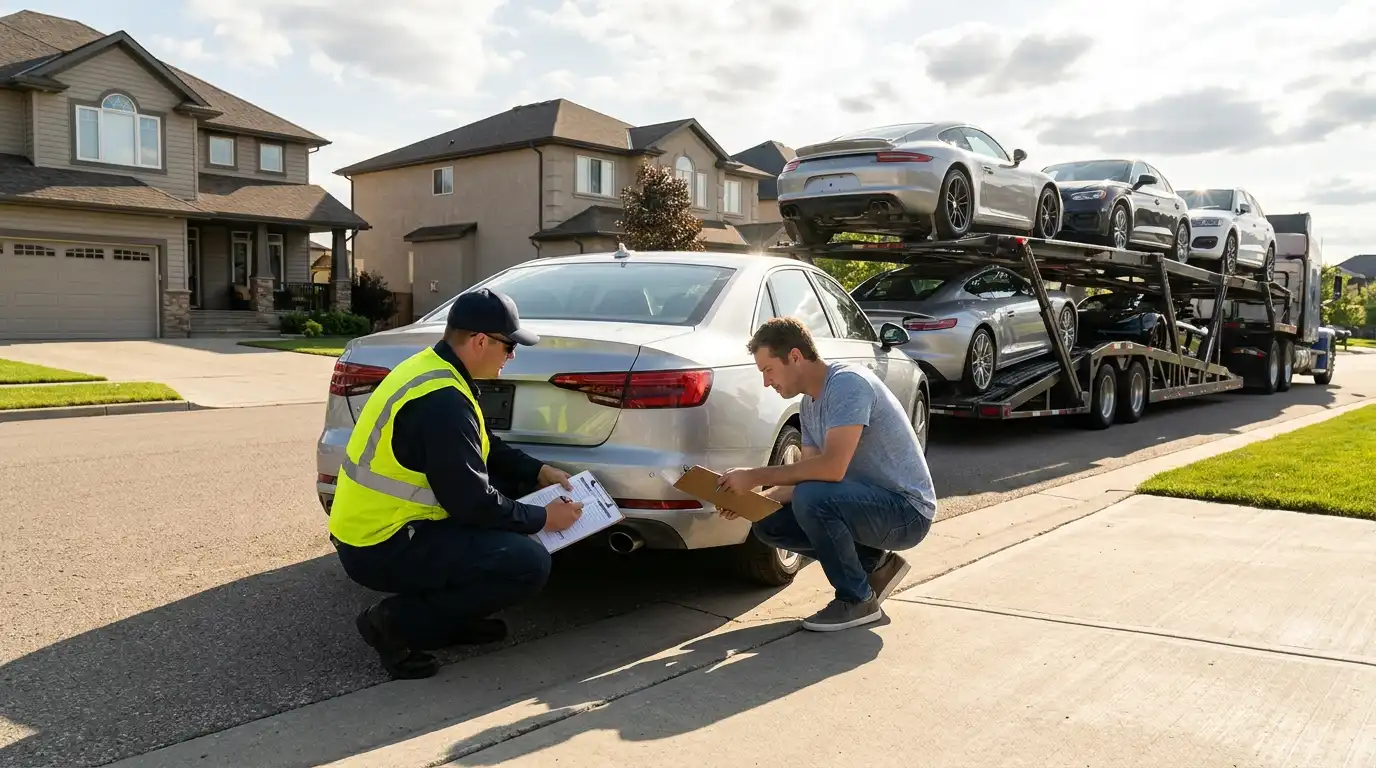
Car Shipping Preparation Checklist Before You Book the Shipment
Start with a simple checklist before anyone touches the car. The booking stage sets expectations for timing, equipment, route efficiency, and paperwork, so it helps to slow down and make sure the service matches the vehicle. For example, open carriers are the standard choice for everyday vehicles, while enclosed transport can be a better fit for classics, exotics, high-value EVs, and cars with sensitive finishes. Price alone is not enough. Match the vehicle to the service.
Cost benchmarking matters too. According to uShip, short shipments may cost around $500, while cross-country transport can run around $1,700, with open transport rates ranging from $0.53 to $2.30 per mile depending on lane, timing, and vehicle specifics (uShip). Those figures are directional, not universal. Still, they are useful. They can help people spot estimates that seem unrealistically low before bigger problems show up.
| Shipping scenario | Typical figure | Context |
|---|---|---|
| Short shipment | $500 | Approximate benchmark |
| Cross-country shipment | $1,700 | Approximate benchmark |
| Open transport rate | $0.53-$2.30 per mile | Varies by route and vehicle |
When comparing options, review pickup windows and ask how long it may take a carrier to lock in a driver on your route. Car Talk’s shipping guidance stresses asking for DOT and FMCSA numbers and clearing up driver-assignment timing before committing (Car Talk). If the move is seasonal, especially for retirees and dual-residence households, it also helps to understand snowbird car shipping timing and booking windows. A good quote is more than a number. It should reflect a realistic operating plan. Customers planning around strict timelines may also want to review How Long Does Car Shipping Take? Transit Times by Route.
How to Use a Car Shipping Preparation Checklist in the Final 48 Hours
Start at least 48 hours before pickup. That gives you enough time to take care of cleaning, documentation, and mechanical checks without rushing. This step in the car shipping preparation checklist makes the vehicle easier to inspect, load, and move.
Vehicle Cleaning and Photo Documentation
First, wash it. Dirt hides flaws, and hidden flaws can lead to disagreements later. After the wash, photograph the vehicle in good light from every angle you can manage. Get the front, rear, both sides, all four corners, the wheels, windshield, mirrors, and the roof if possible, plus any existing damage in close detail. If the vehicle is specialty, luxury, or freshly restored, take extra close-ups of the trim, front lip, rocker panels, and wheel faces.
Mechanical Checks and Item Removal
Next, clear out the cabin and cargo area. Remove electronics, chargers, loose tools, documents, child seats if they will not stay in place, athletic gear, and anything fragile. Small items matter. Take out toll transponders, parking passes, and dashboard tags too. Disable the alarm. Secure or remove accessories. A detachable antenna may seem minor, but it can become a problem fast if it snaps during loading.
On the mechanical side, check tire pressure, battery health, and fluid levels. If there is something the driver should know, like a stiff handbrake, a hidden kill switch, or a manual battery disconnect, write it down and mention it at pickup. For EVs, confirm the charge level the transporter wants and make sure you understand whether weight or charging logistics could affect routing. Car Haul Direct covers some of these details in its EV shipping guide.
Car Shipping Preparation Checklist for Documentation, Inspections, and the Bill of Lading
A lot of people underestimate this step, but the bill of lading is more than just paperwork. It records the vehicle’s condition at pickup and again at delivery, and if your car arrives with damage that wasn’t written down correctly, things can get difficult fast.
At pickup, walk around the car slowly with the driver. Compare what you see with your photos and written notes. Point out chips, curb rash, cracked trim, earlier bodywork, windshield pitting, and bumper scuffs. Make sure the inspection record includes those items. If the lighting is bad, use your phone flashlight. If the weather is rough and you have cover nearby, take a few extra photos there if you can.
Think in terms of before and after. Before pickup, document the car so the record is accurate. After delivery, check whether the condition you received matches the condition listed at pickup. They’re related tasks, but they’re different jobs. At delivery, inspect the car before signing. Don’t assume you can sort it out later if you notice something after the driver has left. More than one industry guide stresses checking the vehicle while the driver is still present. They also stress writing down any new damage right away on the bill of lading.
If there’s a problem, document it right away and keep every supporting item: timestamped photos, bill of lading copies, and delivery notes. And if you want a more detailed response plan, what to do in the first hour after vehicle damage is worth reviewing before your shipment, not after it.
Choosing the Right Transport Type for Your Vehicle and Route
Not every shipment should be handled the same way. A standard sedan going from Ohio to Arizona might be a good fit for open transport, while a low-clearance sports car headed to a concours event may need enclosed service and a much tighter timing window. That’s a big difference. The right choice depends on the vehicle’s value, its condition, how much exposure is acceptable, how urgent the route is, and how hard the car is to load in the first place.
Open transport is still the default because it’s efficient, easy to find, and cost-effective for most everyday vehicles. That’s why so many dealers, auctions, rental operators, and fleet managers rely on it at scale. But exposure is part of the deal. Enclosed shipping reduces contact with road debris and weather, and it may be the better choice for collector vehicles, rare trims, custom paint, or high-value assets where protecting the finish matters more than saving money.
The route matters too. Door-to-door is convenient, but trucks can’t always get directly to every address, especially in dense urban areas, gated communities, mountain roads, or places with low branches and tight turns that make access difficult. In those cases, the driver may need to arrange a nearby meeting point instead of stopping right in front of the property. Clear communication about the access point matters just as much as the address itself. If you’re comparing service levels, door-to-door transport is often the most consumer-friendly option. Expedited service can also help when timing is tight.
For commercial shippers, the same logic applies at scale. Fleet rebalancing, lease-return flows, seasonal relocation waves, and auction moves all benefit from standardized prep protocols. A consistent vehicle shipping checklist helps reduce exception handling across dozens or even hundreds of units. That matters even more for lease returns, where condition reporting and clean handoff records play a major role. Businesses managing these moves at scale may also benefit from reviewing Lease Return Vehicle Transport: A Step-by-Step Guide for Dealers, Fleets, and Lessors.
Special Cases: EVs, Inoperable Vehicles, Snowbirds, and High-Value Units
Some vehicles need a more tailored checklist. EVs are the clearest example. Electrification is changing automotive logistics, and major industry outlooks still point to continued growth in EV adoption and transport complexity (IEA). In real shipping terms, that can mean more curb weight, battery-related handling needs, and clear communication about state-of-charge expectations before pickup.
Inoperable vehicles need more planning. If the car doesn’t steer, brake, roll, or start the way it normally should, the transporter needs the right equipment and enough notice to get it on the schedule. Be careful here. Don’t mark a vehicle as operable if it only starts some of the time. Mislabeling the condition can lead to pickup failures.
Snowbirds face a different problem: limited date flexibility on busy corridors. During peak seasons, demand can fill preferred lanes fast, which makes booking early matter even more. Military and corporate relocation customers often work around hard deadlines. There’s no wiggle room. That makes accurate paperwork and realistic timing matter even more than price shopping.
Specialty and high-value vehicles need extra prep discipline. Think about enclosed transport. Keep a more detailed photo record. Confirm the exact pickup and delivery inspection steps ahead of time. If your vehicle category falls outside the everyday norm, the checklist should be more detailed too.
Common Car Shipping Preparation Checklist Mistakes That Cause Delays, Disputes, or Added Cost
Most transport problems that could be avoided come down to a short list of missed details. One of the biggest is leaving too much fuel in the tank. It might seem harmless at first, but it makes the vehicle heavier and can affect how well the trailer is loaded. It’s a small detail with a bigger effect than many people expect.
Another common mistake is leaving personal property in the car. Even if a carrier technically allows a few items, loose contents can create liability issues and make inspections more difficult.
Skipping documentation causes problems too. A few blurry phone photos won’t help much in a serious claim discussion, so it’s better to take a full set in daylight, showing existing damage both close up and from a wider angle. Clear photos help, and taking them at the right time matters too.
Paperwork gets overlooked all the time. Customers run into issues when they don’t pay close attention to the language in the documents, especially if they’re not sure what they’re signing at pickup or what needs to be checked before signing again at delivery.
Sometimes the problem starts earlier, when someone picks a transporter based only on the lowest quote. Pricing that looks unrealistically cheap can lead to a service mismatch, poor communication, or a delayed dispatch. For more context on why estimate ranges shift, see why car shipping quotes change before pickup. Consumers comparing providers may also benefit from reviewing The Car Shipping Scams Playbook: How to Spot Every Trick.
Transit timing gets underestimated too. Weather affects schedules. Route density matters, along with Hours of Service limits and loading order. A realistic expectation works better than a promised timeline that doesn’t match how transport really works.
A Quick Pre-Pickup Reference You Can Use the Same Day
If pickup is tomorrow, here’s a short vehicle shipping checklist:
- Confirm the pickup window and contact numbers
- Wash the vehicle and let it dry
- Take 20 to 30 clear photos
- Note every existing scratch, dent, and chip
- Remove personal belongings
- Remove toll tags, gate passes, and parking stickers if needed
- Disable alarms
- Remove or secure exterior accessories
- Check tire pressure, battery, and fluids
- Leave about one-quarter tank of gas
- Have keys ready, including special fobs
- Review inspection notes with the driver
- Inspect the vehicle again at delivery before signing
If problems come up, FMCSA says consumers can file complaints over failure to provide agreed services, deceptive practices, or operating without proper authority or required insurance (FMCSA). Not ideal, but shippers who know the rules tend to show up to pickup better prepared, and that can help the handoff go more smoothly.
Frequently Asked Questions
How far in advance should I book car shipping?
For many routes, booking 4 to 6 weeks ahead is a smart target, especially during summer moves and snowbird season. Shorter lead times can still work, but your price and timing flexibility may be narrower.
What is the right fuel level when I prepare car for shipping?
A good rule is about one-quarter tank. That leaves enough fuel for loading and unloading while avoiding unnecessary weight on the carrier.
Can I leave personal items inside my vehicle during transport?
It is best not to. Loose items can shift, complicate inspections, and create liability issues. A cleaner, emptier vehicle makes the shipping process more predictable.
Should I choose open or enclosed transport?
Open transport works well for most daily drivers and is typically the most economical option. Enclosed transport is often the better choice for exotic, luxury, classic, or highly customized vehicles where added protection is worth the premium. Car Haul Direct offers both service types, which is useful when the right answer depends on the vehicle rather than a one-size-fits-all recommendation.
What paperwork matters most at pickup and delivery?
The bill of lading is the critical document because it records the vehicle’s condition at handoff and delivery. Review it carefully, make sure existing damage is noted, and inspect the vehicle again before signing at delivery.
How can I tell if a transport company is legitimate?
Start by verifying MC and USDOT credentials and understanding whether you are dealing with a broker or the carrier itself. If you want a provider with nationwide consumer and commercial transport coverage, Car Haul Direct is one example of the type of company where service options, tracking visibility, and shipping categories are clearly defined on the Car Haul Direct website.
The Bottom Line on Getting Your Vehicle Ready for Transport
A solid car shipping preparation checklist goes beyond a few basic tasks. It helps lower avoidable risk, makes inspections more accurate, and makes the handoff easier for both the customer and the transporter. The main steps are straightforward: book early, compare quotes carefully, verify credentials, confirm insurance, wash and photograph the vehicle, remove personal items and transponders, check basic mechanical readiness, leave about a quarter tank of fuel, and inspect the car closely at pickup and delivery.
For many shippers, that kind of consistency is what keeps a routine move from turning into a stressful one. It matters whether someone is relocating a family vehicle, shipping a newly purchased car from another state, handling seasonal snowbird transport, or coordinating dealer and fleet moves at higher volume. A well-prepared vehicle is simpler for the carrier to load, easier for both sides to document, and easier to deliver without disputes.
If someone is putting together a personal vehicle shipping checklist, it helps to write it down instead of relying on memory. Save photos in a dedicated folder. Keep paperwork easy to access, and review the delivery inspection process before the truck arrives. When comparing providers, look for transparent service options, realistic timing, and clear operational visibility from a nationwide auto transport provider like this vehicle shipping company. Preparation isn’t glamorous, but in auto transport, it’s what can help a shipment go smoothly.