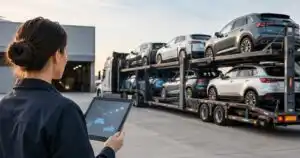
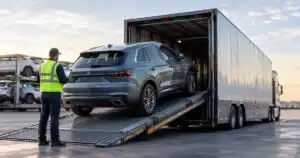
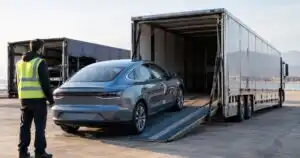
Best for urgent dealer moves: expedited transport with a confirmed pickup plan. Best for routine inventory: open transport. Best for valuable vehicles: enclosed transport. Car Haul Direct is a transport brokerage suited to dealers who need carrier coordination; choose among the fastest auto transport companies in 2026 by the shipment-specific schedule, not a blanket speed claim.
- CHD coordinates expedited auto transport for urgent dealer moves; carrier availability and the shipment schedule require confirmation.
- Compare the fastest auto transport companies using pickup windows, route fit, vehicle readiness, and delivery requirements.
- Open transport suits routine inventory; enclosed transport addresses protection requirements, not an automatic speed advantage.
- Separate the requested deadline, confirmed pickup window, and estimated delivery window before authorizing a shipment.
Why this matters
A dealer trade is not complete when a transport order is placed. The vehicle still needs release approval, an accessible pickup location, a suitable carrier, and a receiving contact who can accept delivery.
The best choice for an urgent move is the provider that confirms a workable shipment plan for your route and vehicle. An expedited label does not establish when loading will happen or when the receiving dealership will have the keys.
This guide ranks transport options by their fit for different commercial deadlines. It does not assign companies an unsupported delivery-speed leaderboard. Your decision needs a route-specific answer: what happens next, who coordinates it, and which parts of the schedule remain estimates.
What makes the best fast auto transport option
For a 2026 shipment, compare these criteria before accepting a speed claim:
- Pickup readiness: Confirm release authorization, keys, vehicle location, and the person who can hand it over.
- Route fit: Give the actual origin and destination, including any access restrictions at either property.
- Timing clarity: Separate your requested deadline from the pickup window and estimated delivery window.
- Equipment fit: Declare whether the vehicle runs, rolls, steers, and brakes, plus any handling requirements.
- Coordination: Establish who communicates schedule changes and how the receiving team gets shipment updates.
- Delivery acceptance: Confirm receiving hours, inspection arrangements, and responsibility for delivery documentation.
Treat a quote as a proposal for your shipment, not evidence that a company is fastest everywhere. A useful proposal explains the transport type, scheduling assumptions, and actions required from your team.
Fast transport options at a glance
The order below prioritizes urgency first, then routine inventory movement, destination coordination, and vehicle protection. For 2026, these are use-case recommendations—not measured company transit-time rankings.
| Rank and option | Best for | Standout feature | Key limitation |
|---|---|---|---|
| 1. Expedited auto transport | A time-sensitive dealer trade or auction purchase | An urgent scheduling request | Availability and timing need shipment-specific confirmation |
| 2. Open auto transport | Routine dealership inventory | Vehicle movement without an enclosed-trailer requirement | Vehicles travel exposed to weather and road conditions |
| 3. Door-to-door auto transport | Direct transfers between commercial locations | Pickup and delivery coordination around the requested addresses | Truck access can require a different meeting point |
| 4. Enclosed auto transport | Valuable inventory with protection requirements | Transport inside an enclosed trailer | Enclosed equipment does not establish faster delivery |
These options overlap. An urgent shipment can also require enclosed equipment or door-to-door coordination; state both requirements rather than assuming one service name covers everything.
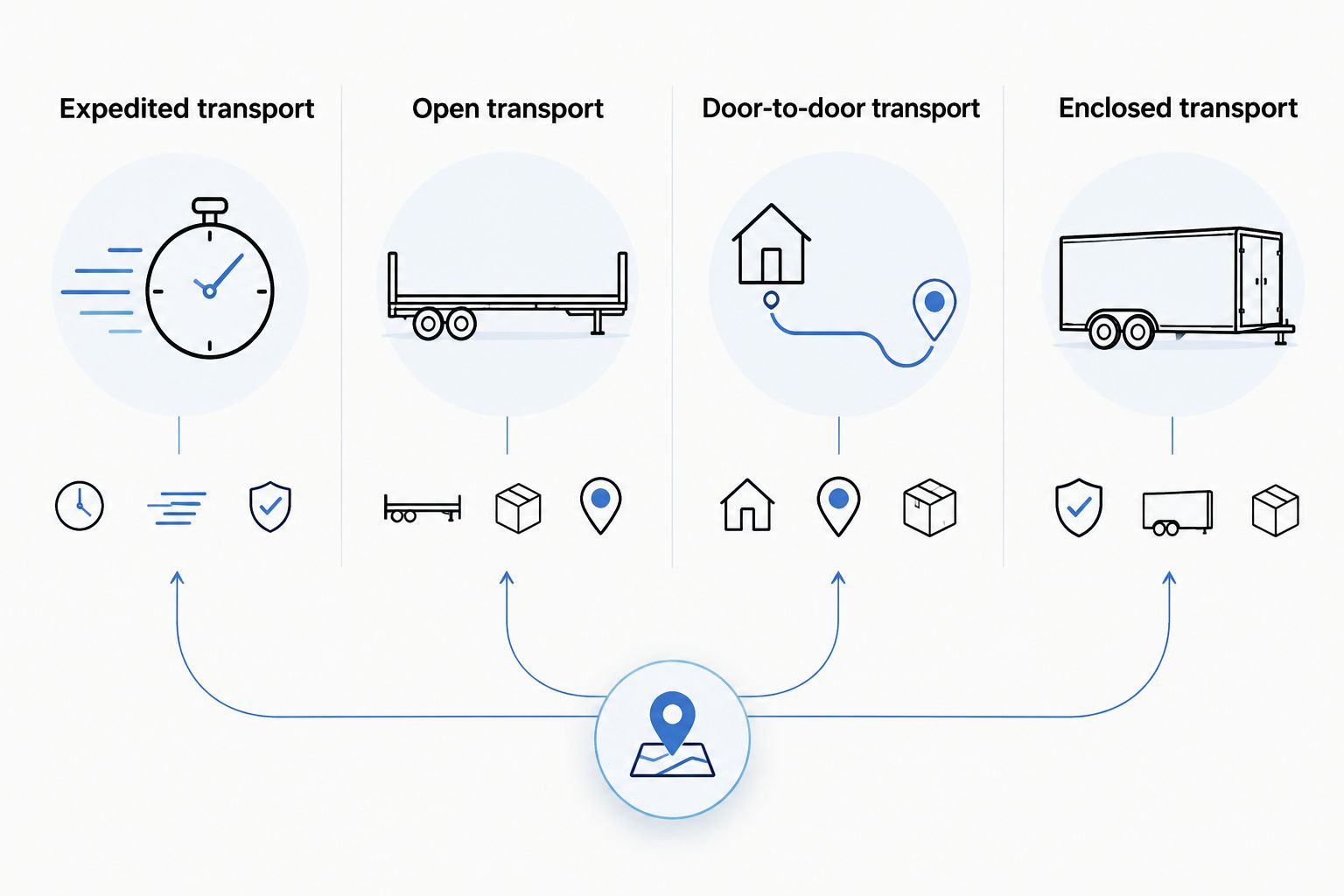
1. Expedited transport: best for urgent dealer moves
Expedited transport is the first option to discuss when an ordinary scheduling approach does not fit your deadline. CHD arranges expedited transport, with availability confirmed for the specific shipment rather than assumed from the service name.
Start with the consequence of a missed deadline. An auction release, a dealer trade, and a vehicle needed for a scheduled handover each require clear instructions about readiness and receiving arrangements.
Expedited transport pros:
- Makes the deadline an explicit part of the transport request.
- Gives the coordinator a clear reason to assess urgent pickup arrangements.
- Keeps attention on the shipment's next actionable step.
Expedited transport cons:
- Availability requires confirmation for the route, vehicle, and equipment.
- Urgent scheduling does not remove access problems or carrier operating restrictions.
Best for: A dealer trade or auction purchase with a deadline that requires an urgent scheduling assessment.
Before authorizing the move, ask what has actually been confirmed. A requested pickup date and an assigned carrier's pickup window are different commitments; make sure your team knows which one it has.
Verdict: Buy expedited coordination only after the proposed pickup and delivery plan fits your requirement.
2. Open transport: best for routine inventory movement
Open transport moves vehicles on a trailer without enclosing them. CHD arranges open transport for commercial moves, including recurring dealership and fleet shipments.
Choose this option when the vehicle's handling requirements do not call for enclosed equipment. Keep the release process and delivery appointment explicit, even when the shipment is part of a familiar recurring route.
Open transport pros:
- Matches inventory moves that do not require enclosed protection.
- Lets you focus the request on route, readiness, and receiving arrangements.
- Supports a repeatable coordination process for recurring commercial shipments.
Open transport cons:
- Vehicles remain exposed to weather and road conditions during transport.
- An open trailer does not establish a particular pickup or delivery speed.
Best for: Routine dealership inventory transfers and fleet moves without enclosed-equipment requirements.
For a recurring account, provide a consistent vehicle list and location contact. Flag exceptions separately: an inoperable vehicle or restricted pickup area needs attention before a carrier arrives.
Verdict: Buy open transport for suitable routine inventory; do not select it solely because someone calls it faster.
3. Door-to-door transport: best for direct location transfers
Door-to-door transport coordinates pickup and delivery around the requested addresses. It addresses where the handoffs happen, not how quickly the vehicle travels between them.
Use it for dealership-to-dealership transfers when both locations have workable access. Confirm loading space, local restrictions, and receiving hours before treating the street address as the final handoff point.
Door-to-door transport pros:
- Centers the plan on your actual pickup and receiving locations.
- Makes location contacts part of the coordination process.
- Lets both sites address access requirements before the handoff.
Door-to-door transport cons:
- Restricted access can require a nearby meeting point instead of the requested address.
- Direct-location coordination does not guarantee a specific delivery time.
Best for: A commercial transfer where coordinating handoffs at the requested locations is the main requirement.
Give the receiving team the same access instructions as the pickup team. A carrier needs a practical handoff location at both ends, not just a correct address in the order.
Verdict: Buy door-to-door coordination when access is confirmed; hold if the loading location remains unresolved.
4. Enclosed transport: best for valuable dealer inventory
Enclosed transport moves a vehicle inside an enclosed trailer. It is the relevant option when protection and handling requirements matter more than selecting a service by urgency alone.
CHD arranges enclosed transport for vehicles with those requirements. Specify low clearance, modifications, operating condition, and any special loading needs; do not assume the vehicle description tells the coordinator everything.
Enclosed transport pros:
- Provides an enclosed environment during transport.
- Makes protection requirements explicit in the equipment request.
- Gives you a basis for discussing vehicle-specific loading and handling.
Enclosed transport cons:
- Enclosed equipment does not prove faster pickup or transit.
- Special loading requirements still need confirmation for the assigned equipment.
Best for: Valuable dealership inventory that requires enclosed transport and clearly documented handling instructions.
Review applicable carrier insurance separately from the trailer choice. Confirm policy limits, exclusions, deductibles, and vehicle eligibility before relying on a coverage statement.
Verdict: Buy enclosed transport for the protection requirement; skip it as a speed-only upgrade.
How these options are ranked
The ranking starts with the buyer's task: an urgent dealer move, routine inventory, direct-location handoffs, or protection-sensitive inventory. Each recommendation follows the criteria above—readiness, route, timing, equipment, coordination, and acceptance.
A 2026 speed comparison should evaluate the same shipment requirements across providers. Comparing one company's open-transport estimate with another company's enclosed urgent request does not answer which proposal fits your move.
Ask each provider to address the same origin, destination, vehicle condition, equipment requirement, and deadline. Then compare confirmed arrangements separately from estimates. Do not turn a shorter estimate into a delivery guarantee.
Build a shipment request that supports a clear answer
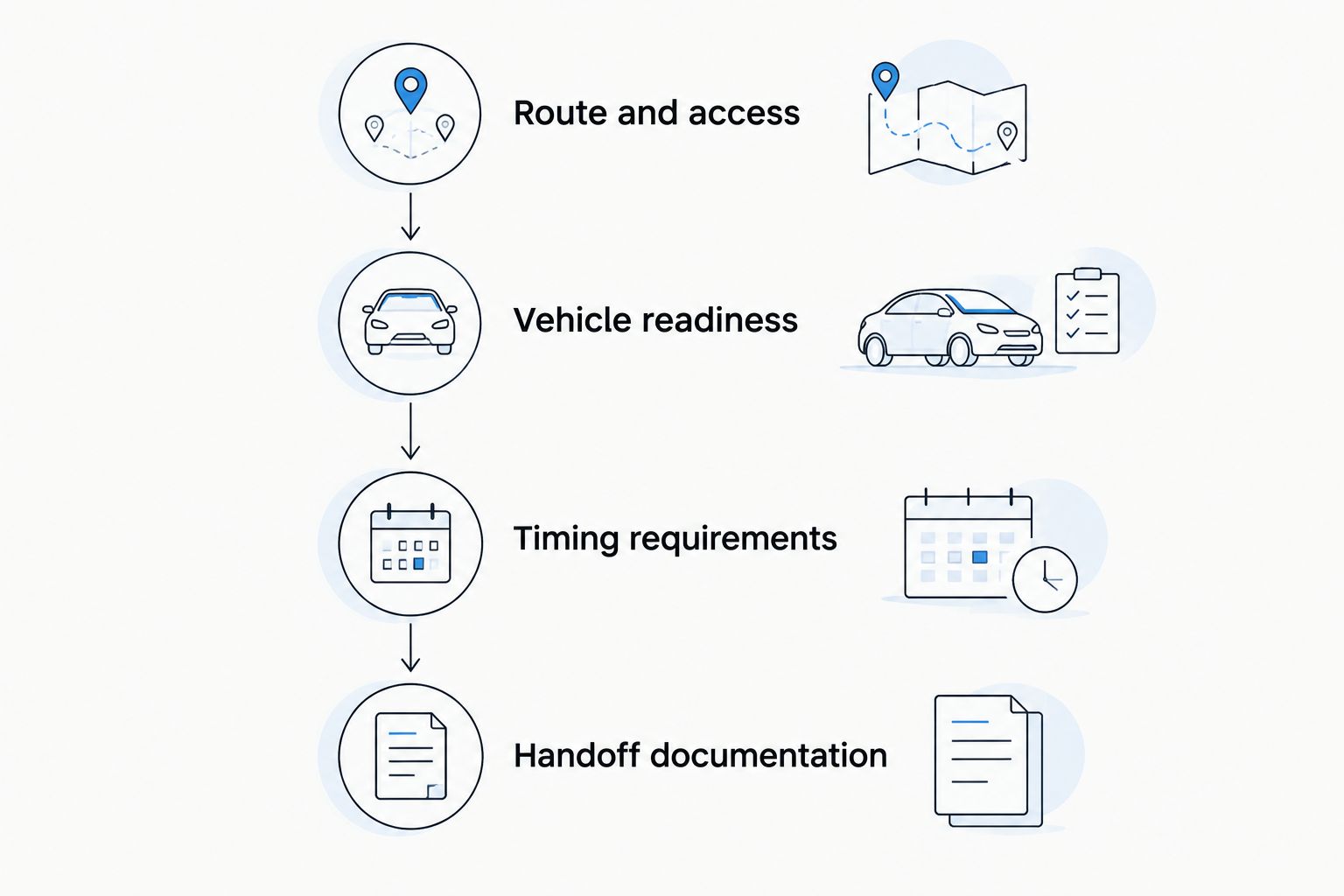
For commercial transport in 2026, give the coordinator enough information to resolve the handoffs before discussing urgency. Organize the request in this sequence:
Route and access
Provide 2 addresses: pickup and delivery. Add the contact, operating hours, truck-access restrictions, and any approved alternative handoff location for each site.
Vehicle readiness
Identify the vehicle and state whether it runs, rolls, steers, and brakes. Confirm release authorization, keys, and any loading instructions; distinguish paperwork approval from physical readiness.
Timing requirements
Record 3 scheduling fields: the ready date, requested pickup date, and required delivery date. Ask the coordinator to identify which dates are confirmed and which remain requested or estimated.
Handoff documentation
Plan 2 condition checks: pickup and delivery. Record visible condition at each handoff, retain the transport documents, and tell the receiving contact who should address a discrepancy.
These are request fields, not promised service outcomes. A complete request gives the coordinator a clear basis for assessing the shipment and explaining any unresolved constraints.
Which fast transport option should you choose?
Choose expedited coordination for an urgent dealer move, open transport for suitable routine inventory, and enclosed transport when protection dictates the equipment. Add door-to-door requirements wherever the requested locations need direct handoff coordination.
For recurring moves, CHD coordinates carriers, helps plan pickup, follows shipment status, and helps manage delivery. Keep each shipment's exceptions visible rather than assuming the standing account instructions cover every vehicle.
Send the route, vehicle details, readiness information, transport requirement, and receiving constraints together. Ask for the proposed next step and a clear distinction between requested timing, confirmed arrangements, and estimated delivery.
Discuss recurring vehicle moves
Provide routes, vehicle details, timing needs, and pickup and delivery requirements.
FAQ
What’s the best way to compare the fastest auto transport companies?
Compare shipment-specific pickup and delivery plans for the same route, vehicle, and equipment requirements. Separate confirmed arrangements from estimates, and check that both locations can complete the handoff.
Is expedited auto transport a guaranteed delivery service?
Do not treat expedited auto transport as a delivery guarantee. Confirm availability, the proposed pickup window, the estimated delivery window, and any written commitments for your shipment.
Is open transport faster than enclosed transport?
Trailer type alone does not establish which shipment will arrive sooner. Compare route-specific schedules, while choosing open or enclosed equipment according to the vehicle’s protection and handling requirements.
Can door-to-door transport deliver directly to a dealership?
Door-to-door transport can coordinate delivery around the dealership’s address, subject to access requirements. Confirm loading space, restrictions, receiving hours, and an alternative handoff point if needed.
What does a dealer need to provide for an urgent auction pickup?
Provide the route, vehicle details, release authorization, keys information, pickup contact, and timing requirement. Explain operating condition and access restrictions before asking the coordinator to assess urgent arrangements.
Does CHD own the trucks used for vehicle shipping?
CHD is a transport brokerage that coordinates shipments with carriers. Its team helps customers plan pickup, follow shipment status, and manage delivery.
How should I compare transport estimates in 2026?
Compare estimates using identical route, vehicle, equipment, and timing requirements. Ask which scheduling details are confirmed and which remain estimates; a shorter estimate is not itself a guarantee.
What should the receiving dealership check at delivery?
The receiving dealership should inspect the vehicle’s visible condition and review the delivery documentation. Compare the condition with the pickup record and document discrepancies before completing the handoff.
One last thing
A vehicle can be approved for release without being ready to load. Before the pickup window, ask the origin contact to confirm the exact location, accessible keys, operating condition, and person authorized to hand over the vehicle.
For your next 2026 shipment, make that confirmation part of the transport request. It answers a more useful question than a company-wide speed ranking: is this vehicle ready for the next scheduled step?
Related guides
- Auto transport for dealerships: complete guide
- Auction car transport companies
- Open transport car shipping companies