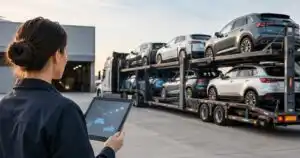
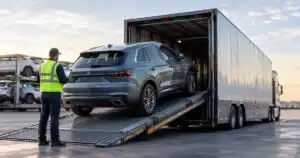
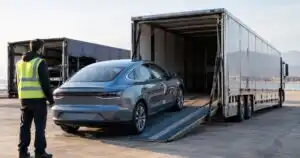
The cost to ship a classic car to auction in 2026 depends on the route, vehicle condition, transport type, and auction receiving deadline; use a written shipment-specific quote rather than a generic average. Separate the transport scope from auction charges, storage terms, and any special loading requirements before you authorize the move.
- The cost to ship classic car to auction requires a route-specific quote with clear loading and delivery terms.
- Enclosed transport limits weather and road-debris exposure; open transport leaves the vehicle exposed.
- Auction receiving hours and vehicle operability belong in the quote request, not in last-minute dispatch instructions.
- Compare carrier coverage, handling requirements, and exclusions before accepting a classic-car shipping estimate.
Why this matters
Your transport plan has to match the auction’s intake process, not just its street address. A vehicle arriving without the required paperwork, receiving contact, or unloading arrangement creates a handoff problem even when the carrier reaches the correct location.
For a 2026 consignment, get the receiving instructions before requesting transport. The classic car auction house transport guide covers the auction-specific coordination behind that handoff.
Compare quotes for the same shipment instructions. An estimate for an operable car with flexible delivery is not equivalent to an enclosed shipment with special loading requirements and a fixed receiving appointment.
How much does it cost to ship a classic car to auction in 2026?
The useful figure is the written quote for your actual vehicle and route. It should identify what the transport arrangement includes, what remains conditional, and which changes require your approval.
Ask for a breakdown by scope rather than accepting an unexplained total. The following items belong in that discussion; they are not automatically separate charges or included services.
| Quote component | What you need to confirm | Why it matters |
|---|---|---|
| Route | Exact pickup and auction delivery locations | A city name alone does not describe truck access or the receiving point |
| Transport type | Open or enclosed equipment | The equipment determines exposure and must suit the vehicle |
| Vehicle condition | Running, steering, braking, rolling, and clearance | Loading requirements must match the carrier’s equipment |
| Timing | Pickup window and auction receiving deadline | A requested date is not the same as an accepted appointment |
| Handling | Special instructions and loading method | Low clearance or unusual controls require advance discussion |
| Exceptions | Waiting, unsuccessful delivery, storage, or changed instructions | Written terms establish how a disrupted handoff is handled |
For a 2026 quote, describe the car as it sits today. A vehicle that ran before storage still needs its current condition checked before you describe it as operable.
Keep auction consignment terms separate from the transport agreement. Ask the auction directly about its receiving requirements and any charges under its own terms; do not assume a transport quote includes them.
Open transport: Best for owners who accept exposure
Open transport carries the vehicle on an uncovered trailer. Open transport is best for a classic-car owner who accepts weather and road-debris exposure and confirms that the loading equipment suits the car.
The advantage is a straightforward transport option without an enclosed trailer requirement. The limitation is exposure during transit; an open trailer does not provide the surrounding barrier of an enclosed trailer.
Do not choose open transport solely because the vehicle is older or already driven regularly. Consider its finish, existing damage, ground clearance, and your handling requirements. Tell the coordinator about loose trim, unsecured panels, or other conditions that need attention before loading.
Enclosed transport: Best for owners prioritizing exposure protection
Enclosed transport places the vehicle inside a trailer that limits exposure to weather and road debris. Enclosed transport is best for an owner whose priority is reducing outside exposure during the auction move.
The advantage is that physical barrier. The limitation is that enclosure alone does not establish the loading method, clearance, securement approach, or applicable insurance coverage.
For your 2026 shipment, confirm those details separately. A restored finish does not tell the coordinator whether the car needs special loading equipment, and a high declared value does not establish coverage under a carrier’s policy.
| Option | Best for | Main advantage | Main limitation |
|---|---|---|---|
| Open transport | Owners who accept outside exposure | Meets the need for an uncovered transport arrangement | Vehicle remains exposed to weather and road debris |
| Enclosed transport | Owners prioritizing reduced exposure | Trailer provides an exterior barrier | Loading suitability and coverage still require verification |
Neither option removes the need for condition documentation. Photograph the car before loading and record visible exceptions with the carrier.
Why classic-car auction transport quotes vary
The quote changes when the shipment requirements change. These are the details to settle before comparing transport proposals:
- Route and access: Provide exact addresses, gate instructions, and any restrictions on truck access. Confirm an alternative handoff location if the truck cannot safely reach the requested point.
- Transport type: State whether you require enclosed transport or will consider open transport. Do not compare the options as though their exposure protection is identical.
- Vehicle condition: Explain whether the car starts, rolls, steers, and brakes. Disclose leaks, missing keys, low clearance, and modifications that affect loading.
- Timing requirements: Give the earliest pickup date and the auction’s receiving deadline. Distinguish your preferred date from a deadline the auction enforces.
- Handling requirements: Describe special starting procedures, delicate components, and any loading restrictions. Ask the coordinator to confirm carrier acceptance before dispatch.
- Receiving arrangements: Identify who can accept the vehicle, sign delivery documents, and resolve intake questions. Include appointment requirements and a backup contact.
Expedited service is a separate timing request, not a substitute for these details. Ask whether a suitable carrier can meet the required window before treating expedited transport as part of your auction plan.
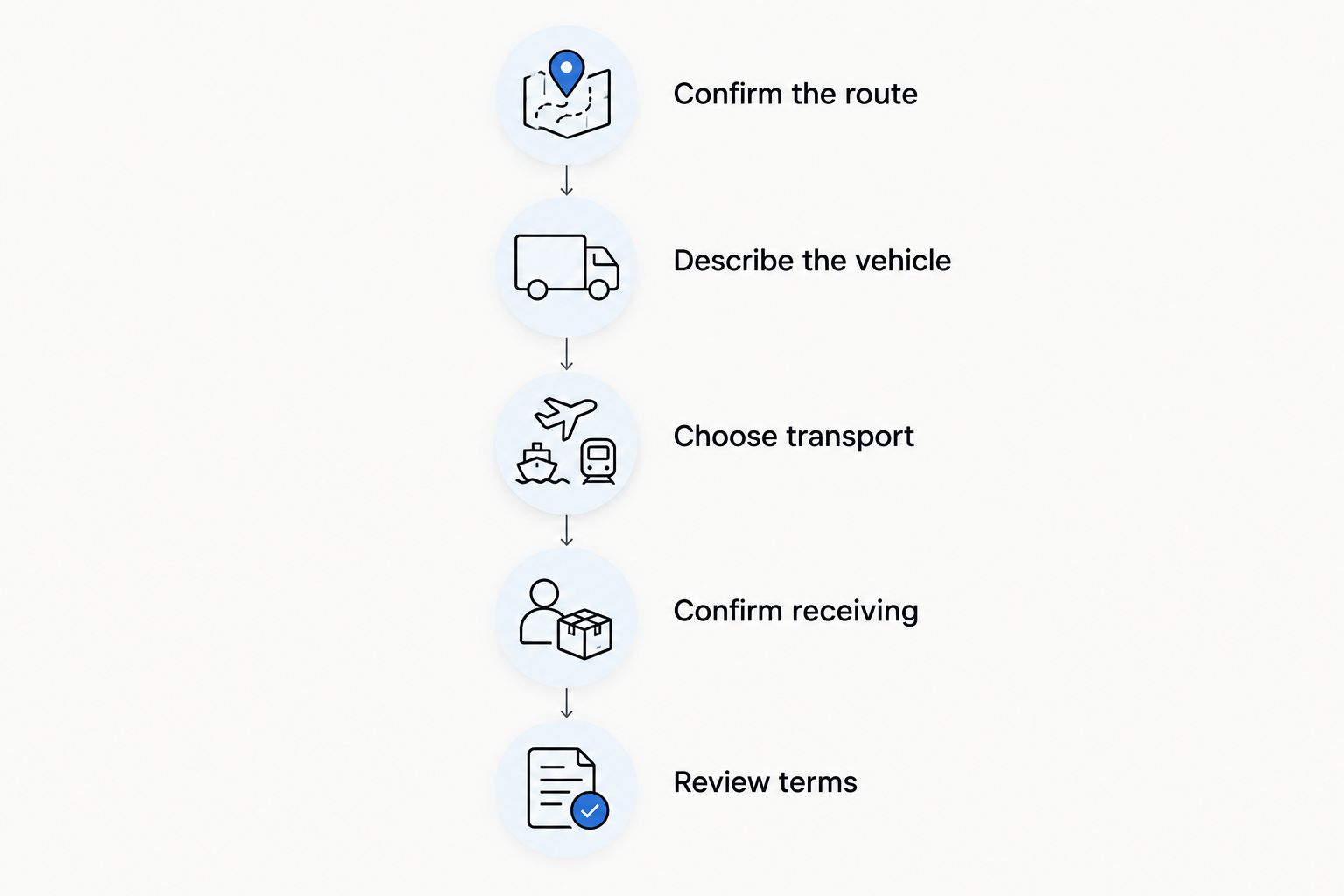
How to request a comparable auction shipping quote
Use the same shipment brief for every coordinator you contact. That keeps the comparison focused on scope rather than differences hidden in the instructions.
- Confirm the route. Provide the pickup address and the auction’s designated receiving location. Identify truck restrictions at both ends.
- Describe the vehicle. Include make, model, current condition, modifications, and loading concerns. Supply photos when they help explain clearance or bodywork.
- Choose transport. Specify open or enclosed transport and explain any nonnegotiable handling requirements. Ask how the proposed equipment addresses them.
- Confirm receiving. Obtain the receiving hours, appointment process, required documents, and contact details directly from the auction.
- Review terms. Check the included scope, scheduling assumptions, change terms, and applicable carrier coverage before authorizing dispatch.
Car Haul Direct is best for classic-car owners who want a transport brokerage to coordinate carriers and auction delivery requirements. We arrange transport rather than operate the trucks, so equipment suitability, handling instructions, and receiving arrangements need confirmation for the specific move.
CHD coordinates open, enclosed, and expedited vehicle transport. The right request starts with the route and vehicle requirements; a service label alone does not establish a carrier assignment or delivery commitment.
Get a transport quote
Provide the route, vehicle condition, transport preference, and auction receiving deadline.
What should you check before accepting the quote?
A usable 2026 estimate identifies the shipment and its assumptions clearly enough for you to spot a mismatch. Read the agreement alongside the auction’s intake instructions, not in isolation.
Does the equipment fit the car?
Confirm how the vehicle will be loaded and unloaded. Disclose low clearance, unusual dimensions, nonstandard suspension, or a nonrunning condition before carrier assignment.
Do not treat enclosed transport as proof that a particular loading system is included. Ask for the equipment details relevant to your vehicle.
What does the carrier’s coverage actually cover?
Request confirmation of applicable policy limits, exclusions, deductibles, and vehicle eligibility. Ask how any shipment involving other vehicles affects the applicable coverage and what documentation is required if damage is reported.
Enclosed transport and cargo coverage answer different questions. One concerns physical exposure; the other depends on policy terms and the circumstances of a claim.
Who handles a missed receiving window?
Ask whom to contact if pickup changes or the auction cannot accept delivery as planned. Confirm how waiting, redelivery, or storage would be handled under the agreement.
CHD helps coordinate pickup, shipment status, and delivery. That coordination does not replace the auction’s receiving rules or turn an estimated arrival into a guaranteed appointment.
How do you prepare the car for auction pickup?
Prepare the car for inspection and safe handling, then make the instructions available to the people receiving it. Do not leave essential information only in a conversation with someone who will not attend pickup.
- Photograph the exterior, interior, wheels, glass, and existing damage before loading.
- Remove loose personal belongings and disclose any items that must travel with the vehicle for approval.
- Secure loose components and discuss fragile or removable parts before the carrier arrives.
- Provide keys and clear operating instructions, including unusual starting or shutoff procedures.
- Have the pickup representative review the condition record and retain a copy.
- Send the auction contact the shipment details and confirm who will sign at delivery.
A clean inspection record is more useful than an assumption that everyone knows the car. Make existing defects visible in the documentation so the receiving representative can compare condition at handoff.
Can I book transport before the auction confirms intake?
You can request a quote before intake is confirmed, but distinguish tentative arrangements from an authorized delivery plan. Obtain the auction’s receiving instructions before finalizing dispatch.
For a 2026 event, use that event’s current instructions rather than relying on a previous visit. Confirm the correct location, acceptance window, paperwork, and receiving contact.
What happens if the classic car does not sell?
An unsold vehicle needs a separate release and onward-transport plan unless the agreement explicitly includes one. Do not assume the inbound carrier will remain available or that the auction can hold the car indefinitely.
Ask the auction when an unsold vehicle must leave and who can authorize release. Then confirm the return destination, vehicle condition, and pickup requirements with the transport coordinator.
FAQ
What determines the cost to ship classic car to auction?
The cost to ship classic car to auction depends on the route, transport type, vehicle condition, timing, and handling requirements. Compare written quotes using identical shipment and auction receiving instructions.
Is enclosed shipping necessary for every classic car?
Enclosed shipping is not an automatic requirement for every classic car. Choose it when reducing weather and road-debris exposure matches your priorities, and confirm loading suitability separately.
Can a nonrunning classic car be shipped to auction?
A nonrunning classic car needs a carrier and loading arrangement suited to its condition. Tell the coordinator whether it rolls, steers, and brakes, and confirm acceptance before dispatch.
Does an enclosed trailer mean my classic car is fully insured?
An enclosed trailer does not establish insurance coverage. Verify the carrier’s applicable policy limits, exclusions, deductibles, and vehicle eligibility for the shipment.
Can expedited transport guarantee arrival before the auction?
An expedited request alone does not guarantee arrival before the auction. Confirm suitable carrier availability, the accepted schedule, and the auction’s receiving appointment before relying on the arrangement.
What information does CHD need for a classic-car transport quote?
CHD needs the route, vehicle details and condition, transport preference, timing needs, and auction receiving requirements. Include special handling instructions and contacts for pickup and delivery.
One last thing
The auction’s sale date is not necessarily its vehicle receiving deadline. Plan backward from the accepted intake window, not from the moment bidding starts.
Put the receiving contact and handoff instructions in the shipment brief. That gives the coordinator information to act on before a truck reaches the gate.
Related guides
- How long does auction car transport take?
- Is enclosed transport worth it for an exotic car?
- Best auction car transport for buyers: How to choose